
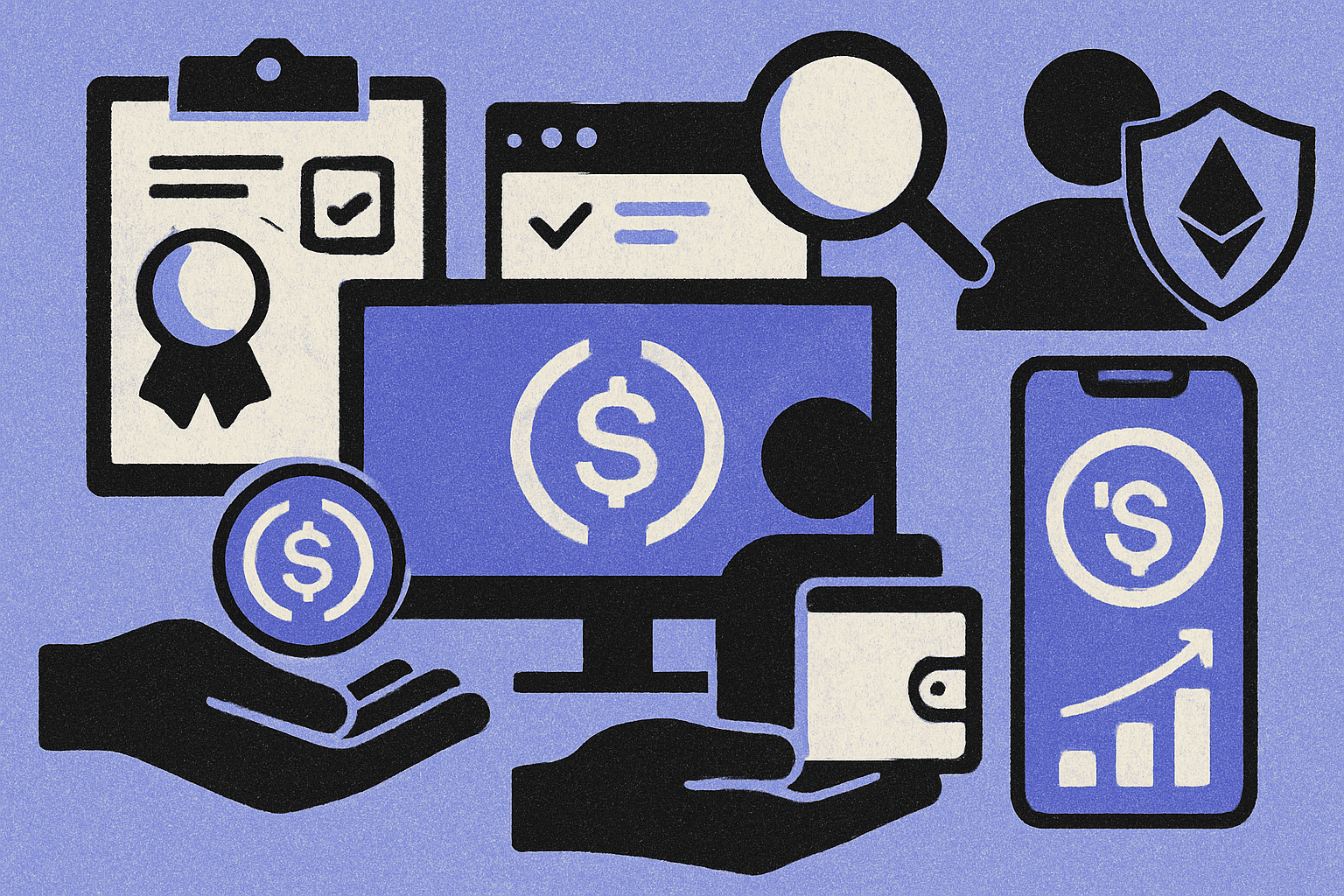
Paying your remote Web3 team in USDC isn’t just a futuristic idea anymore - it’s rapidly becoming the new standard for startups seeking speed, transparency, and global reach. Whether you’re building a DAO, scaling a DeFi protocol, or running a distributed dev shop, stablecoin payroll is the smart way to sidestep banking headaches and delight top talent worldwide. Let’s break down the essential steps to pay remote Web3 workers in USDC with compliance and confidence.

Step 1: Assess Legal and Tax Compliance for USDC Payroll
Before you send your first USDC payment, it’s vital to understand local regulations in every jurisdiction where your workers reside. Crypto payroll rules can vary dramatically from country to country (and even state to state). Some governments treat stablecoins like cash, others as property - and tax obligations can differ for employees vs independent contractors.
Startups should consult with legal counsel or crypto-savvy accountants familiar with cross-border payroll using stablecoins. Make sure you’re clear on reporting requirements, withholding obligations, and documentation standards. This upfront diligence not only keeps you compliant but also builds trust with your team.
Step 2: Select a Crypto Payroll Platform Supporting USDC and Preferred Blockchains
The right platform is your launchpad for seamless payments. Look for solutions that support USDC on popular blockchains like Ethereum, Polygon, Base, or Stellar - giving both you and your team flexibility on fees and speed. Leading platforms such as Remote (with Stripe), Bitwage, and Conduit offer robust onboarding tools plus automated workflows tailored for USDC payroll for remote teams.
Pro tip: Prioritize platforms with transparent fee structures, strong security credentials (MPC wallets or multisig), and built-in reporting features. This will save countless headaches as you scale.
Step 3: Onboard Remote Web3 Workers and Collect Wallet Addresses Securely
Your next move is to get your global crew ready to receive crypto payments. This means guiding them through creating compatible wallets (like Trust Wallet or Zengo Business) that support USDC on the chosen network. Always double-check that both parties are aligned on network selection (e. g. , sending Polygon-based USDC only to Polygon addresses).
Treat wallet address collection with utmost care - use encrypted forms or secure HR platforms rather than email or chat. Implement verification steps so there’s no risk of misdirected funds. Educate your team about basic wallet security best practices; after all, once funds are sent on-chain, they can’t be recalled.
- Pain point solved: No more lost payments in international banking limbo!
- Bonus: Your team enjoys instant access to their earnings without waiting days for wire transfers.
If you want an expanded walkthrough of these onboarding steps plus actionable compliance tips for crypto payroll startups, check out our related guide: How to Pay Remote Teams With USDC: A Step-by-Step Guide For Tech Startups.
Step 4: Fund Your Payroll Account with USDC via a Trusted Exchange or Custodian
Once your team is wallet-ready, it’s time to top up your payroll account with USDC. Choose a reputable exchange or crypto custodian that offers strong security, regulatory compliance, and fast on-ramps from fiat to stablecoins. Platforms like Coinbase, Kraken, or Fireblocks let you purchase USDC directly using USD (or your local currency) and then transfer it to your business wallet.
For larger payrolls or recurring payments, consider working with a custody provider that supports automated funding and withdrawal workflows. This not only streamlines operations but also keeps your treasury management tight and auditable.
- Pro tip: Always double-check transaction fees and network congestion before moving large sums. Some blockchains (like Polygon or Base) offer lower costs than Ethereum mainnet for high-frequency payroll.
- Security reminder: Enable two-factor authentication and set up multi-signature approvals for outgoing transactions wherever possible.
Step 5: Schedule and Distribute USDC Payments to Workers’ Wallets with Transparent Reporting
This is where the magic happens: payday in the Web3 world. Use your chosen crypto payroll platform to schedule one-off or recurring USDC payments to each worker’s wallet address. Most leading platforms let you upload a CSV of payment details or integrate directly with HR tools for bulk payouts.
The best solutions offer real-time transaction tracking, instant receipts for recipients, and downloadable reports for accounting. This level of transparency not only keeps your ops team happy - it gives workers peace of mind knowing exactly when they’ve been paid (and how much gas was spent).
- No more mystery wire delays or lost SWIFT codes - every payment is verifiable on-chain within minutes.
- Workers can convert their USDC into local currency on their preferred exchange or spend directly in the crypto economy.
The Compliance and Record-Keeping Advantage
Don’t forget: detailed recordkeeping is non-negotiable. Every USDC payment should be logged with date, amount, recipient address, and transaction hash. This makes life easy come tax season - both for you and your workers. Most platforms export these records in accounting-friendly formats (CSV/Excel), ready to share with auditors or regulators if needed.
If you want more insight into how stablecoins are revolutionizing global payroll infrastructure, check out our deep dive here: How Stablecoins Like USDC Are Revolutionizing Cross-Border Payroll For Remote Teams.
Your Next Move: Empower Global Talent With Effortless Crypto Payroll
The future of work is borderless - so why should payroll be stuck in the past? By following these steps:
- Assess legal/tax compliance by jurisdiction
- Select a robust platform supporting USDC/blockchains you trust
- Onboard workers securely and collect wallet addresses safely
- Fund your account via trusted exchanges/custodians
- Schedule transparent payments with clear reporting
You’ll unlock instant value for both founders and talent across continents. The result? Happier teams, lower costs, zero banking friction - all powered by the stability of digital dollars. Ready to make the leap? Start building your cross-border crypto payroll engine today!



No comments yet. Be the first to share your thoughts!