
Choose stablecoins for payroll
In 2026, "crypto payroll" effectively means stablecoin payroll. Serious companies have moved away from volatile assets like Bitcoin for regular wages because payroll requires predictable, fixed values. Using a currency that fluctuates daily introduces unnecessary accounting complexity and employee dissatisfaction. Instead, businesses now select stablecoins pegged to fiat currencies to minimize volatility and ensure employees receive the exact value agreed upon.
The two primary choices are USDC and USDT. Both are widely accepted, deeply integrated into payroll platforms, and offer the liquidity needed for global payouts. USDC is often preferred for its transparency and regulatory compliance, while USDT remains popular for its broad ecosystem support. The choice between them depends on your specific compliance needs and employee preferences, but both solve the core problem of crypto volatility.
Regulatory clarity has also shifted in favor of stablecoins. Frameworks like the GENIUS Act and MiCA provide clearer guidelines for stablecoin issuers compared to other crypto assets. This regulatory structure reduces legal risk for employers, making stablecoins a safer and more standardized option for 2026 payroll operations.
Select a compliant payroll platform
Choosing the right crypto payroll software is the foundation of a compliant 2026 operation. You need a tool that handles the "high stakes" burden of custody, tax automation, and global coverage so your finance team can focus on distribution rather than manual reconciliation.
When evaluating platforms, prioritize those with robust stablecoin support. Stablecoins like USDC and USDT are the standard for payroll because their values are pegged to fiat currencies, minimizing the volatility risk associated with other cryptocurrencies. This stability ensures employees receive predictable wages, which is critical for retention and satisfaction.
| Platform | Custody Model | Tax Automation | Country Coverage |
|---|---|---|---|
| Eco | Institutional-grade | Automated filing | 150+ |
| Remote | Custodial wallet | Integrated | 180+ |
| Deel | Custodial wallet | Integrated | 150+ |
| Gloroots | Institutional-grade | Automated filing | 100+ |
Custody models vary significantly between providers. Some platforms use institutional-grade custody, which separates employee funds from company operational funds, reducing counterparty risk. Others rely on custodial wallets managed directly by the payroll provider. For high-stakes compliance, understanding who holds the keys is as important as the fee structure.
Tax automation is equally critical. With frameworks like the Cryptoasset Reporting Framework (CARF) coming into force in 2026, platforms must automatically collect and report user tax residency data to authorities like HMRC. Ensure your chosen platform integrates directly with local tax authorities to handle withholding and reporting without manual intervention.
Configure tax withholding and reporting
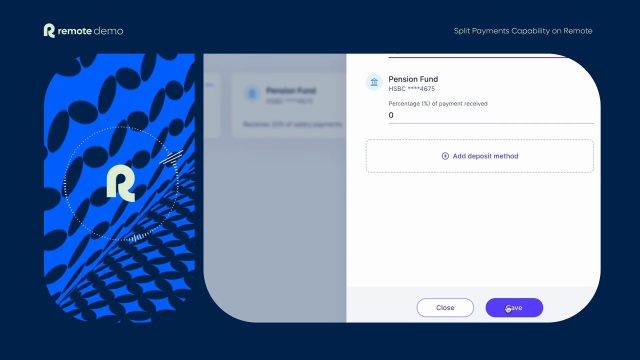
Setting up tax withholding and reporting is the most critical compliance step in crypto payroll. With the 2026 implementation of the Cryptoasset Reporting Framework (CARF), automated reporting is no longer optional. You must ensure your payroll software can accurately deduct taxes and generate the required data for tax authorities.

Most jurisdictions treat crypto payments as property or income, triggering immediate tax events. Configure your payroll system to withhold income tax at the source. Stablecoins like USDC are ideal for this because their value is pegged to fiat, minimizing volatility and simplifying the calculation of accurate withholding amounts. Without stablecoins, the fluctuating value of Bitcoin or Ethereum makes precise tax deduction nearly impossible.

CARF requires service providers to collect and report information about the tax residency of users and their transactions. During onboarding, your system must capture each employee’s country of residence and tax ID. This data is essential for determining the correct withholding rate and ensuring you are not double-taxed or under-withheld. Failure to map residency accurately can lead to significant penalties under the new 2026 rules.

Set up automatic reporting to generate the data packets required by CARF. This includes transaction dates, amounts, and counterparty information. Your payroll provider should be able to export this data in a format that HMRC and other tax authorities accept. Automating this process reduces the risk of human error and ensures you remain compliant with the strict reporting deadlines introduced in 2026.
Before going live, run a simulation with a test employee. Verify that the correct tax rate is applied to the stablecoin payment and that the withheld amount is recorded accurately. Check that the reporting module generates the correct output. This step is crucial to catch any configuration errors before they affect real employee paychecks and tax filings.
Onboard employees securely
Crypto Payroll works best as a sequence, not a scramble through settings. Do the minimum first: confirm compatibility, connect the core hardware, update only when needed, and test the result before adding optional features. That order keeps the task understandable and makes failures easier to isolate. After each step, pause long enough for the interface to finish syncing. Many setup problems are timing problems disguised as configuration problems. If the same step fails twice, record the exact error, restart the smallest affected piece, and retry before moving deeper.

Run the first payroll cycle
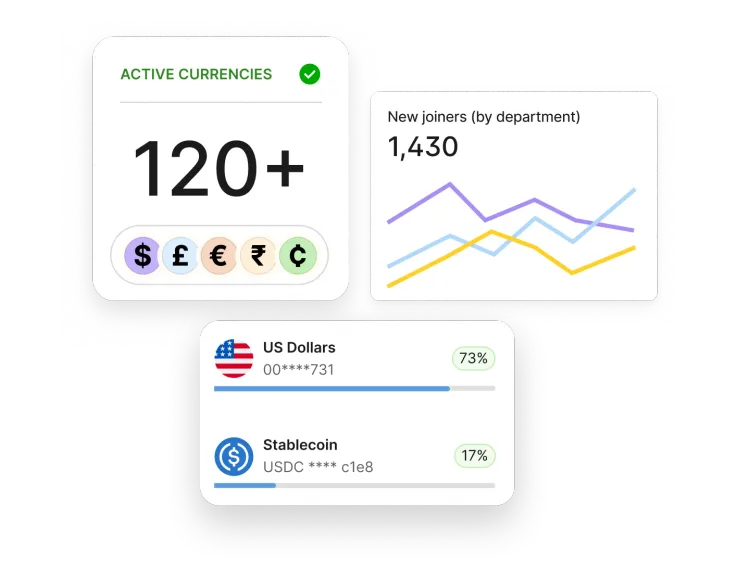
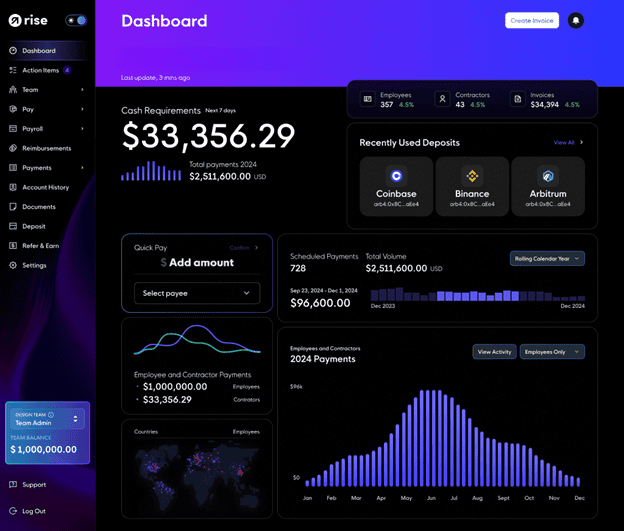
Executing the first stablecoin payroll requires precise coordination between your payroll software and the blockchain. The goal is to move funds from your corporate treasury to employee wallets while satisfying compliance checks before settlement.
Faster payroll settlement is a primary benefit of this method, as it removes traditional banking delays. However, always verify that employees have received the funds in their wallets before closing the payroll period.
No comments yet. Be the first to share your thoughts!