
Get crypto payroll 2026 right
Before automating payments, you must align your legal obligations with the right technical infrastructure. The landscape shifts quickly; for instance, the Cryptoasset Reporting Framework (CARF) takes effect on 1 January 2026 in the UK, requiring service providers to report user tax residency and transaction data to HMRC 1. Ignoring these reporting layers turns a payroll convenience into a compliance liability.
Start by selecting a stablecoin. USDC and USDT remain the industry standard because they are pegged to fiat currencies, shielding your business from the volatility that makes Bitcoin unsuitable for regular wages 2. This stability ensures employees receive the exact value promised, regardless of market swings.
Next, verify your payroll platform’s jurisdictional coverage. Not all providers support every country, and tax filing capabilities vary significantly by region 3. Choose a platform that automates local tax deductions and handles custody securely, so you can focus on global accessibility and lower transaction costs rather than manual reconciliation.
Set up crypto payroll
Automating global payments with stablecoins requires a structured approach to ensure funds reach employees on time and in compliance with local regulations. The process moves from selecting a compliant platform to configuring payroll rules, testing the workflow, and finally executing the first payout.
1. Select a compliant payroll platform
Choose a platform that supports the stablecoins you intend to use (typically USDC or USDT) and covers the jurisdictions of your remote workforce. Look for providers that handle tax withholding and reporting automatically, as this reduces the administrative burden of cross-border payments.
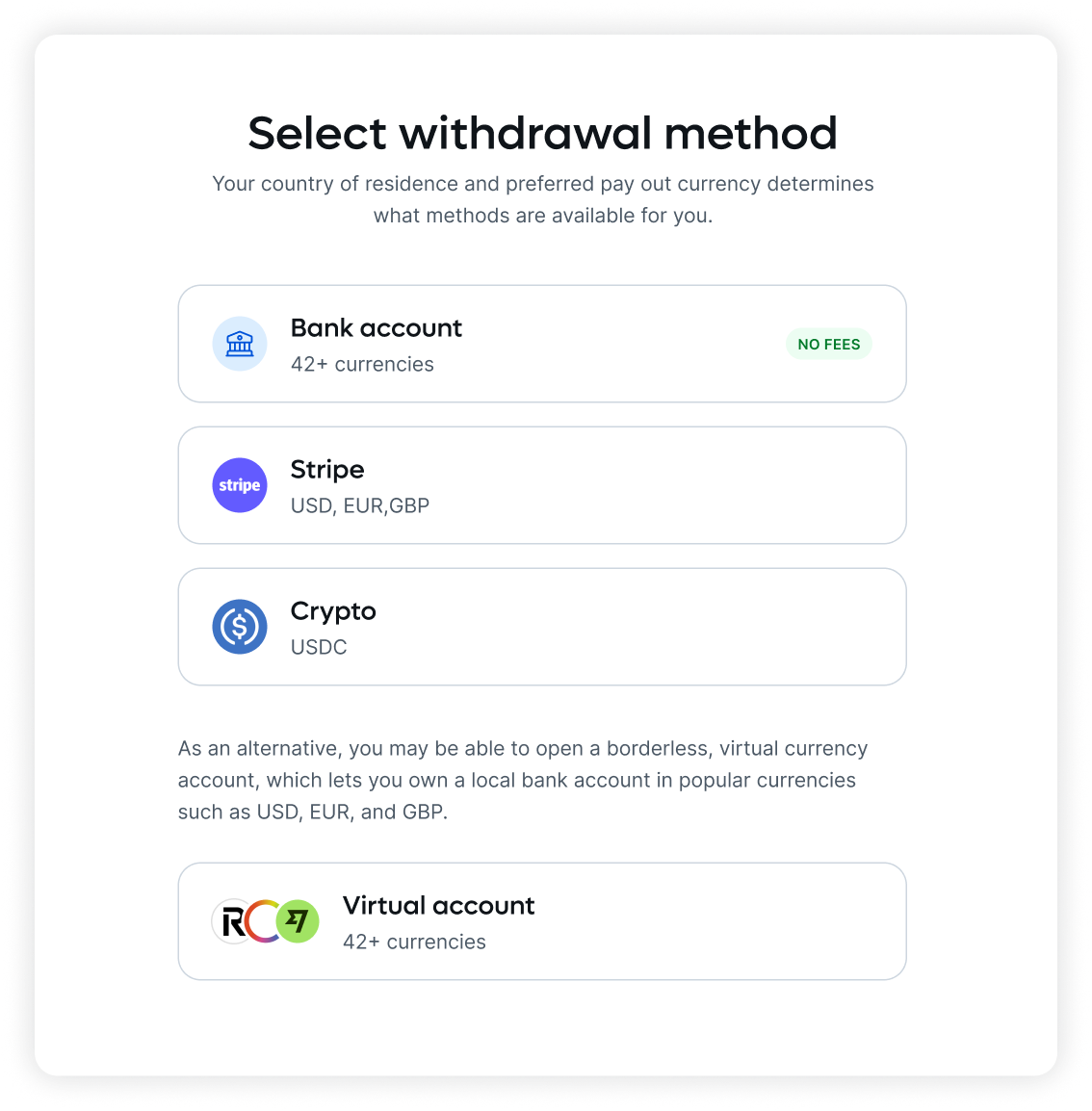
Verify that the platform supports your target stablecoins and operates in the countries where your employees reside. Check if the provider offers automated tax filing tools to handle local compliance requirements without manual intervention.

Onboard employees by collecting their wallet addresses and verifying their identity through the platform’s KYC (Know Your Customer) process. Ensure each employee understands how to receive and store the stablecoins securely.

Define the frequency of payments (e.g., weekly or bi-weekly) and set up automated conversion rules if you fund the payroll in fiat currency. Establish clear thresholds for transaction fees and gas costs to prevent unexpected deductions from employee pay.

Before processing full salaries, send a small test transaction to each employee’s wallet. Confirm that the funds arrive correctly and that the employee can access them. This step validates your configuration and builds trust with your team.

Once testing is complete, approve the payroll batch. Monitor the blockchain for confirmation times and ensure all payments are successfully settled. Keep records of transaction hashes for accounting and audit purposes.
Fix common mistakes
Crypto payroll runs on automation, but small configuration errors can freeze salaries or trigger tax audits. The following pitfalls are the most frequent causes of failed payouts or compliance gaps. Addressing them before go-live prevents operational disruption.
Ignoring stablecoin network fees
Paying salaries in USDC is standard, but the blockchain matters. Sending USDC on Ethereum Mainnet for a $2,000 salary incurs gas fees that may exceed the payment itself. Always select low-cost networks like Polygon, Base, or Arbitrum for routine payroll runs. Check your platform’s supported networks before configuring employee wallets. High gas fees erode employee take-home pay and create administrative friction.
Mismatching fiat and crypto values
Payroll systems often convert local fiat salaries into stablecoins at the moment of execution. If you do not lock the exchange rate or use a platform with real-time pegging, employees may receive less than their agreed salary due to minor slippage. Ensure your provider uses a reliable oracle or direct fiat-to-stablecoin conversion at a fixed rate for the payroll period. This protects both the employer’s budget and the employee’s income stability.
Overlooking tax reporting integration
Many teams treat crypto payments as a separate ledger from traditional payroll. This creates a compliance nightmare. With frameworks like CARF coming into effect in 2026, reporting requirements are tightening globally. Your payroll provider must automatically generate tax-compliant reports that map crypto transactions to local tax codes. If the platform does not export data in a format your accountant accepts, you will face manual reconciliation errors that delay filings.
Skipping employee onboarding verification
Sending crypto to an unverified wallet address is irreversible. A single typo in a public key results in permanent loss of funds. Implement a mandatory verification step where employees confirm their wallet address via a secondary channel or a small test transaction. This simple check prevents costly support tickets and restores trust in the payroll process.
Crypto payroll 2026: what to check next
Before switching to stablecoin payroll, you likely have specific concerns about compliance, asset selection, and broader market trends. Here are the most common questions from employers and employees navigating 2026 regulations.
These answers address the primary friction points: regulatory reporting, asset stability, and the distinction between operational payroll and speculative trading. Always verify your platform’s CARF compliance before onboarding.
No comments yet. Be the first to share your thoughts!