
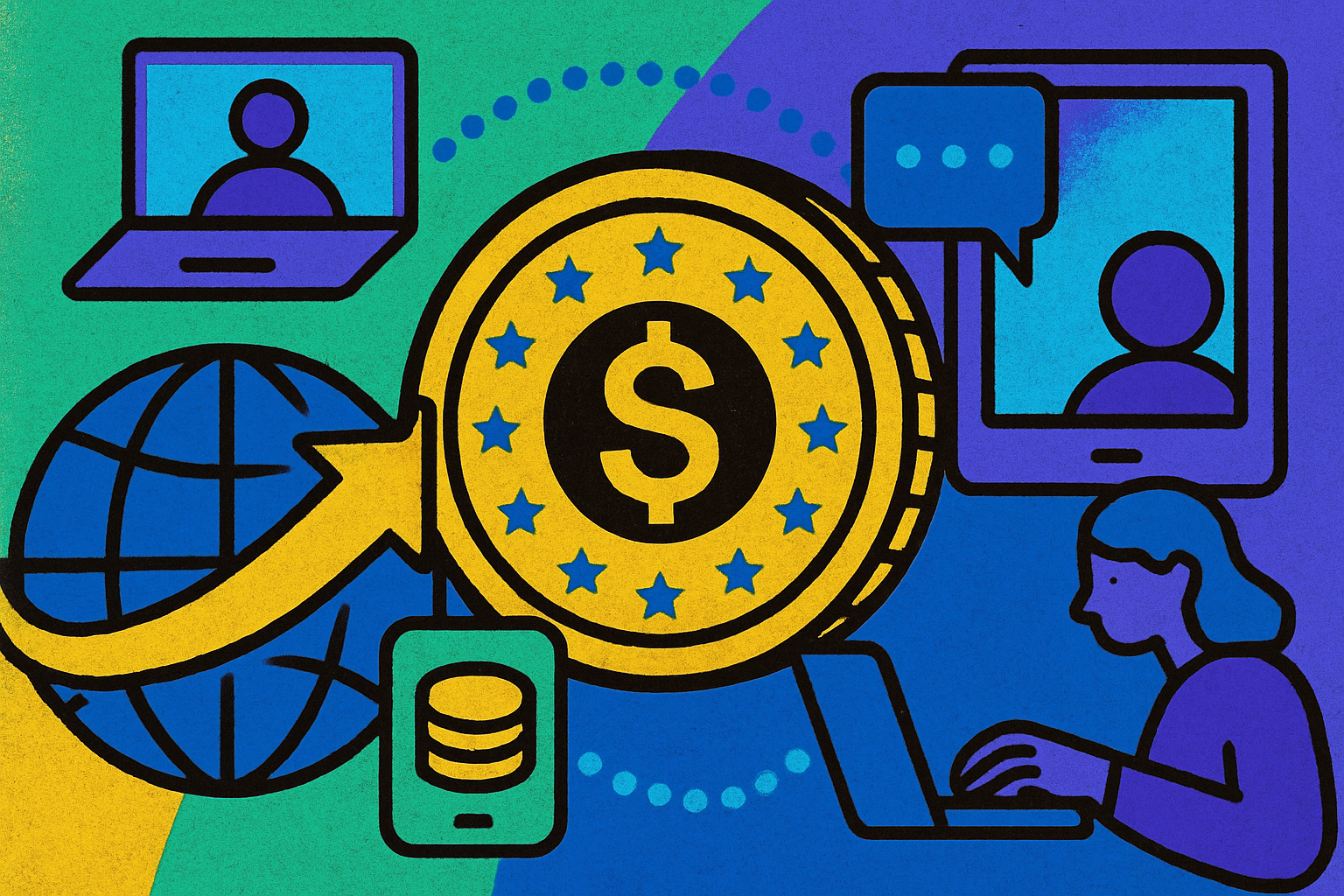
The rise of remote work in Latin America has created a vibrant ecosystem of talent, especially for startups and tech companies seeking agile, global teams. Yet paying remote employees across borders remains a challenge, with traditional banking systems plagued by delays, high fees, and currency volatility. Enter USDC stablecoins: a modern, borderless payroll solution that empowers both employers and contractors with speed, transparency, and cost-efficiency.

Why Pay Remote Employees in Latin America with USDC?
USDC stablecoin payrolls are rapidly gaining traction in Latin America, where economic instability and restrictive banking systems often hinder seamless payments. With USDC currently priced at $0.0351, businesses can confidently pay salaries pegged to the US dollar, shielding teams from local currency devaluation. Platforms like Remote, Bitwage, and Conduit are already enabling companies to pay contractors in nearly 70 countries, including much of Latin America, using USDC.
But before you dive in, a structured approach is critical. Here’s the actionable, step-by-step process you need to follow to ensure both compliance and efficiency when paying remote employees in Latin America using USDC stablecoins.
1. Verify Local Compliance and Contractor Classification
Latin American countries each have their own regulatory landscape for crypto payrolls and contractor classification. For example, Argentina’s tax authorities may treat USDC payments differently than Brazil’s regulators. Begin by consulting local legal experts or a cross-border payroll specialist to ensure your payment structure aligns with labor laws, tax obligations, and anti-money laundering requirements in each jurisdiction where your employees reside.
Misclassifying employees as contractors, or failing to report crypto payroll correctly, could result in penalties or legal headaches. Stay proactive by documenting your compliance research and keeping up with evolving regulations. For more in-depth compliance strategies, see our guide on USDC payroll compliance in emerging markets.
2. Set Up a Corporate USDC-Compatible Wallet
Once you’ve mapped out the legal landscape, it’s time to establish your business’s crypto infrastructure. Choose a reputable exchange or custody platform that supports USDC - such as Coinbase, Binance, or Fireblocks - and ensure it offers robust security features like multi-signature access and cold storage.
Your wallet must be compatible with the same blockchain network your employees will use. For example, if you’re leveraging Remote’s USDC payouts on the Base Network or Bitwage’s Stellar-based solution, confirm that your wallet supports these networks. This step is critical to avoid failed transactions or lost funds.
3. Onboard Remote Employees and Collect Wallet Addresses
With your corporate wallet live, start onboarding your remote team. Request each employee’s public wallet address and confirm it supports USDC on the chosen network (e. g. , Base, Stellar). To further enhance compliance and security, perform KYC (Know Your Customer) verification during onboarding - many payroll platforms now offer built-in KYC tools to streamline this process.
Clear communication is vital here: provide educational resources or short training sessions on wallet setup and crypto safety best practices. This not only builds trust but also minimizes payment errors down the road.
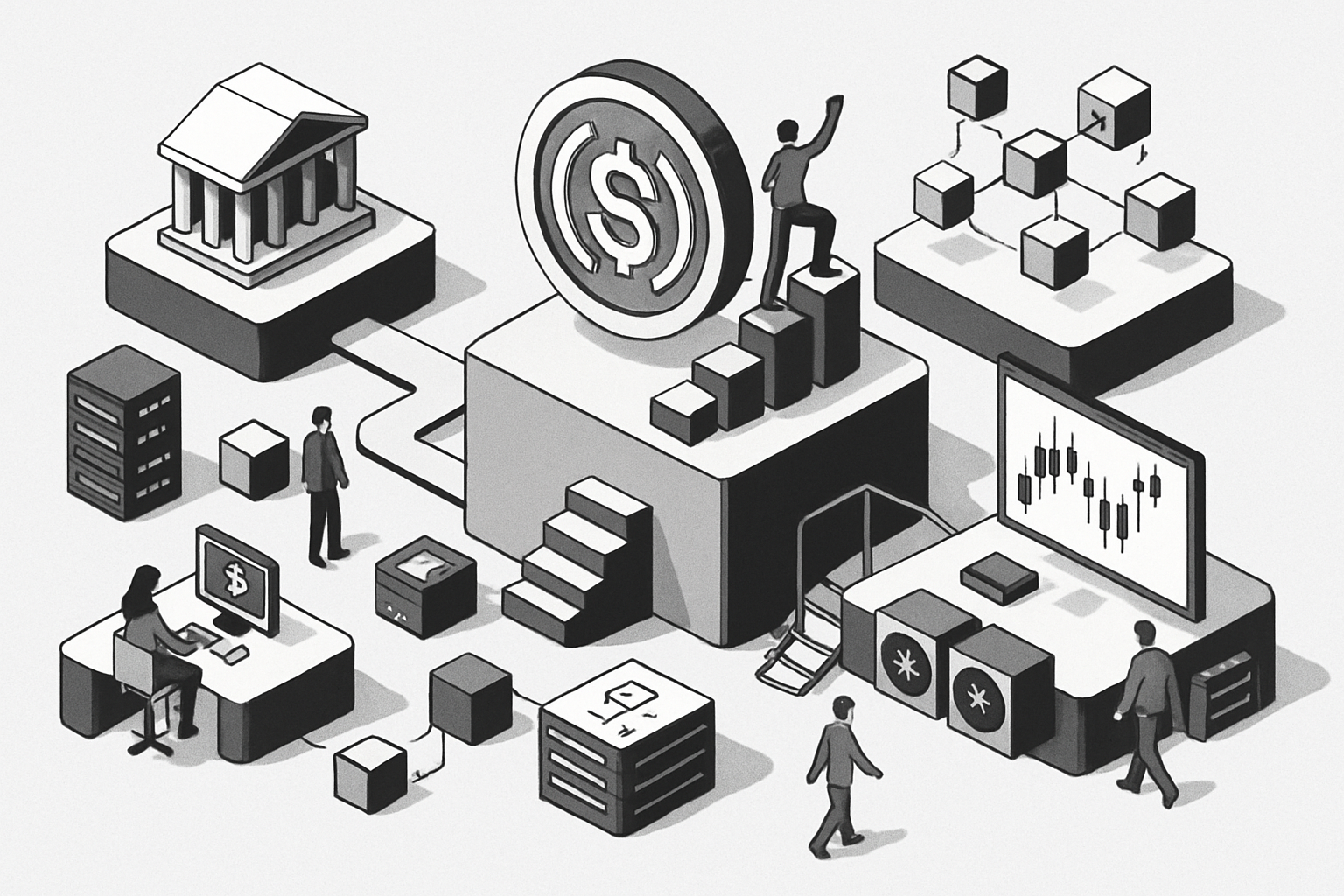
Onboarding Latin American Remote Employees for USDC Payroll: Illustrated Steps


4. Fund Your Payroll Wallet with USDC
Next, it’s time to load your payroll wallet with USDC at the current market price of $0.0351. Most exchanges allow you to purchase USDC via secure bank transfer or crypto conversion. Double-check transaction fees and settlement times - platforms like Bitwage and Conduit often offer faster settlement compared to legacy banks.
Transfer your purchased USDC into your corporate wallet, ensuring you leave enough headroom for transaction fees and potential network congestion. Accurate record-keeping at this stage simplifies future audits and financial reporting.
5. Initiate Payroll Disbursements and Provide Receipts
With funds ready and addresses collected, initiate payroll disbursements from your crypto wallet directly to each employee’s wallet address. Always double-check each address before sending to prevent irreversible errors.
For transparency and peace of mind, provide digital payment receipts or blockchain transaction hashes to your employees after each transfer. This level of openness fosters trust - a cornerstone for successful remote teams working across borders.
Leveraging USDC for cross-border payroll not only simplifies payments but also provides your team with immediate access to their earnings, bypassing the delays and unpredictability of traditional banking. At a stable $0.0351 per USDC, your employees can confidently plan their finances, knowing their compensation is protected against local currency swings and hidden fees.
Key Advantages of a Structured USDC Payroll Process
By following these five critical steps, compliance verification, secure wallet setup, thorough onboarding, transparent funding, and documented disbursement, you create a foundation of trust and reliability for your remote workforce. This approach also positions your company as a forward-thinking employer, attractive to top Latin American talent seeking financial stability and modern compensation methods.
Transparent payroll workflows make it easy for both employers and employees to track payments in real time. Blockchain receipts serve as immutable proof of payment, reducing disputes and simplifying tax reporting for everyone involved. If you’re seeking more details on seamless cross-border payments for developers, check out our dedicated guide for tech teams.
Crypto Payroll Compliance: Don’t Skip the Details
Compliance isn’t just a box to tick, it’s your shield against regulatory risk. Stay updated with evolving Latin American crypto payroll laws, especially as governments adapt to rising digital asset adoption. Many companies partner with local advisors or use platforms specializing in crypto payroll compliance to automate reporting and tax withholding. This proactive approach can save you from costly surprises down the line.
Remember, contractor classification errors are common pitfalls in the region. Be meticulous with documentation and always clarify employment status before initiating crypto payments. For deeper insights on compliance best practices, see this compliance-focused guide.
Empowering Your Team With Financial Freedom
Paying remote employees in Latin America with USDC isn’t just about speed and savings, it’s about giving your team true financial empowerment. With instant access to their funds at $0.0351 per USDC, employees can convert to local currencies when rates are favorable or hold USDC as a hedge against inflation. Many Latin American freelancers already prefer stablecoin payments for their reliability and ease of use.
By adopting this step-by-step process, you’re not only solving operational headaches but also unlocking new opportunities for both your business and your remote team members. As regulations evolve and crypto infrastructure matures across Latin America, early adopters will enjoy a competitive advantage in attracting and retaining world-class talent.
- Stay compliant: Regularly review local laws and update internal processes.
- Prioritize education: Equip your team with crypto literacy resources and security best practices.
- Embrace transparency: Use blockchain receipts and clear communication to build trust.
The future of cross-border payroll is here, and it’s stable, transparent, and designed for growth. Start empowering your Latin American remote employees today with a structured USDC salary setup that puts people first.


No comments yet. Be the first to share your thoughts!