
Crypto payroll in 2026: The practical reality
The market for automating crypto payroll has matured, but it remains fragmented. In 2026, stablecoin payroll is no longer a hypothetical experiment; it is a functional operational choice for companies managing global workforces. Platforms like Bitwage have processed payments across 170 countries since 2014, while newer entrants integrate directly with contractor management systems like Deel to offer native crypto disbursement options.
The demand side is also shifting. Recent data indicates that approximately 27% of employees interested in cryptocurrency prefer to have that portion of their paycheck allocated to digital assets. This preference drives companies to seek solutions that bypass traditional FX fees and cross-border banking delays. However, the "one-size-fits-all" approach no longer exists. Companies must now choose between dedicated crypto-native payroll providers and traditional HR platforms that have added stablecoin modules.
The primary constraint for 2026 is not technology, but compliance and integration. Unlike simple crypto transfers, payroll requires withholding tax calculations, benefit deductions, and local labor law adherence. The most effective systems automate these complexities by converting stablecoins to local fiat at the point of disbursement or by integrating with existing payroll engines to handle the regulatory heavy lifting. This section outlines the specific operational models available to teams looking to implement this infrastructure without introducing compliance risk.
Crypto payroll 2026 choices that change the plan
Stablecoin payroll is the default in 2026, but it is not a single monolithic solution. The market is fragmented, with platforms varying significantly in how they handle compliance, volatility, and employee preferences. When evaluating options, you must weigh the tradeoffs between full control and operational ease.
Compliance and Legal Structure
The primary tradeoff is between regulatory safety and administrative burden. Platforms like Bitwage have operated since 2014, building robust infrastructure for cross-border payments across 170 countries. They handle the complex tax reporting and withholding requirements that come with crypto payments. Using a platform that integrates with your existing payroll provider reduces the risk of misclassification or failed audits. However, this comes with higher fees and less flexibility in how you structure payments.
Volatility and Employee Preference
Stablecoins solve the volatility objection, but employee adoption varies. Reports indicate that 27% of employees interested in crypto want only a portion of their paycheck allocated to it. This creates a tradeoff between offering pure crypto payroll (simpler for you, harder for employees) and hybrid models (more complex to manage, higher adoption). Platforms that support stablecoins (USDC, USDT) mitigate market risk, but you must ensure your payroll provider supports the specific stablecoins your workforce prefers.
Cost and Speed
The core benefit of crypto payroll is cutting FX fees, but the actual savings depend on the platform. Traditional wire transfers can cost $20-$50 per transaction. Stablecoin transfers on networks like Solana or Polygon cost fractions of a cent. However, some platforms charge a percentage fee on the payroll volume. You must compare flat fees against percentage-based models based on your average payroll size. For small teams, percentage fees may outweigh the FX savings. For large global teams, the speed and cost advantage of blockchain settlement is significant.
Integration and Workflow
Finally, consider how payroll integrates with your existing HR stack. Some platforms offer deep integrations with Deel, Rippling, or Gusto, automating the flow from contract to payment. Others require manual export/import of data. The tradeoff is between a "set and forget" system that may lack customization and a more flexible system that requires manual oversight. For most organizations, the slight increase in manual work is worth the lower fees and greater control over payment timing.
| Platform Type | Compliance Burden | Primary Cost | Volatility Risk |
|---|---|---|---|
| Full-Service (e.g., Bitwage) | Low (Automated) | Higher % Fee | None (Stablecoin) |
| Hybrid Platform | Medium (Manual) | Medium % Fee | Low (Stablecoin) |
| Direct Wallet (e.g., Self-Custody) | High (Manual) | Low (Network Fee) | High (Native Crypto) |
| Stablecoin-Only Gateway | Medium (Automated) | Low-Medium % Fee | None (Stablecoin) |
Choose the next step: Turn the research into a practical decision framework
The crypto payroll market is fragmented, making the choice of platform a critical operational decision. Bitwage has paid workers across 170 countries since 2014, while newer entrants like Deel report growing contractor adoption. To cut FX fees and boost compliance, you need a system that handles the full lifecycle: from contract signing to on-chain settlement and tax reporting.
Use this framework to select the right tool for your business.

Ensure the platform supports the jurisdictions where your team resides. Look for built-in withholding capabilities and automated tax forms (like 1099s for US contractors). If the platform doesn’t handle local tax compliance, you’ll need separate legal counsel, which erodes the cost savings of using stablecoins.
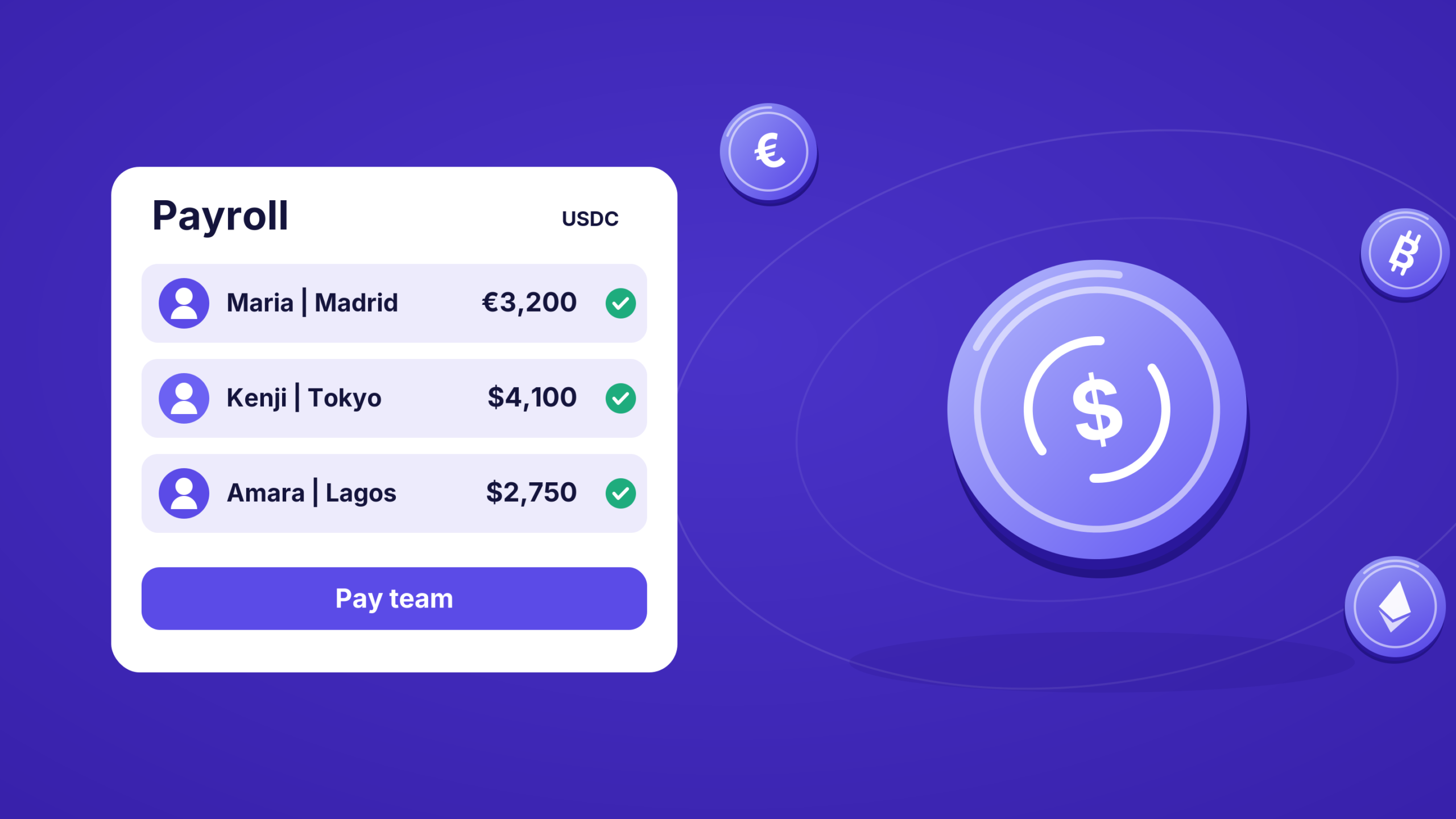
Calculate the total cost of conversion. Some platforms charge a flat fee per transaction, while others take a percentage of the FX spread. For high-volume payroll, a flat fee is often more predictable. Check if the platform offers direct fiat off-ramps to local bank accounts to avoid employees bearing the conversion cost themselves.
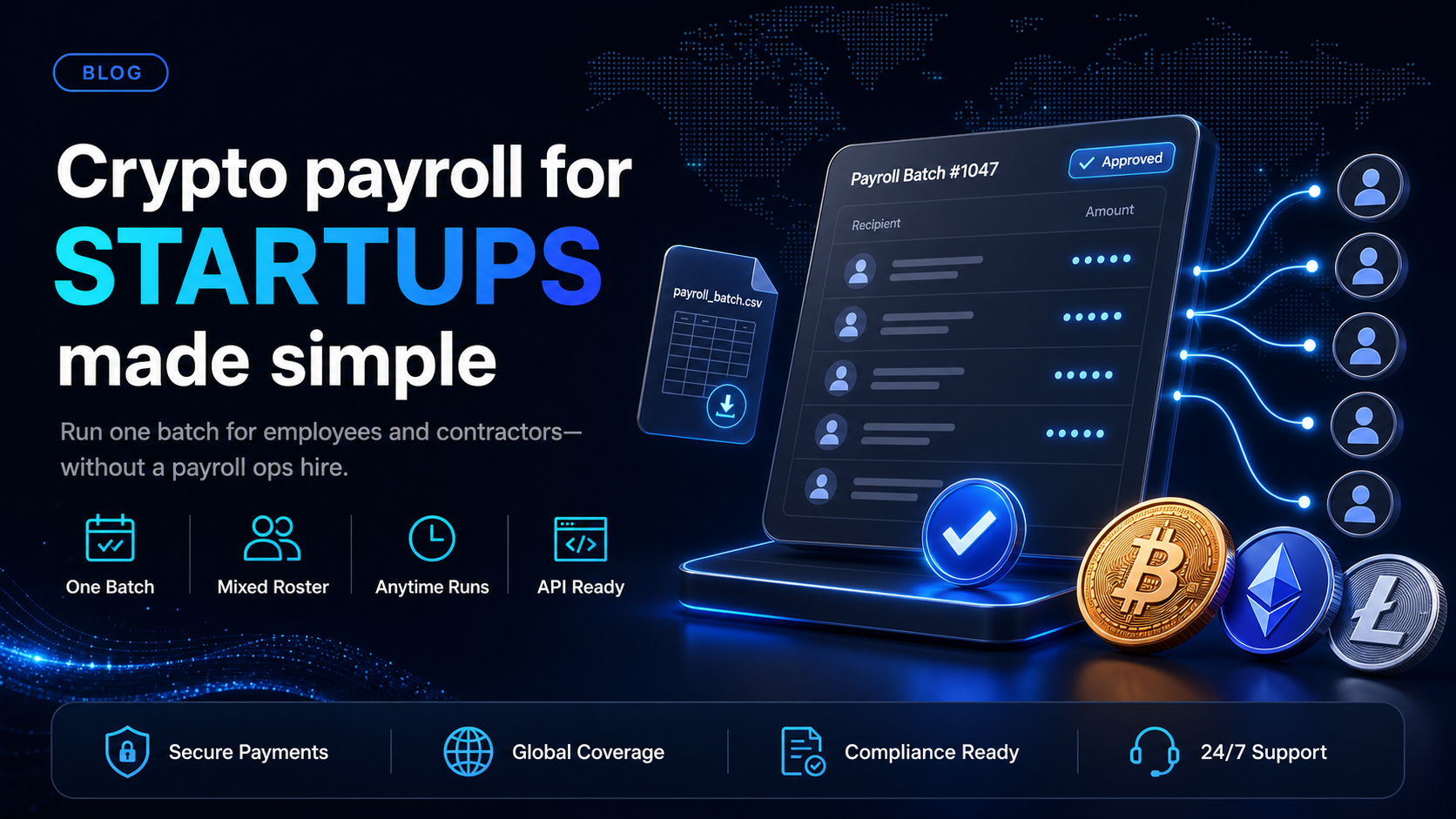
Determine who holds the keys. Institutional-grade platforms use multi-signature wallets and cold storage for company funds. For employees, ensure the platform integrates with secure, self-custody wallets or provides a seamless fiat cash-out option. Avoid platforms that require employees to hold funds in unverified exchanges.
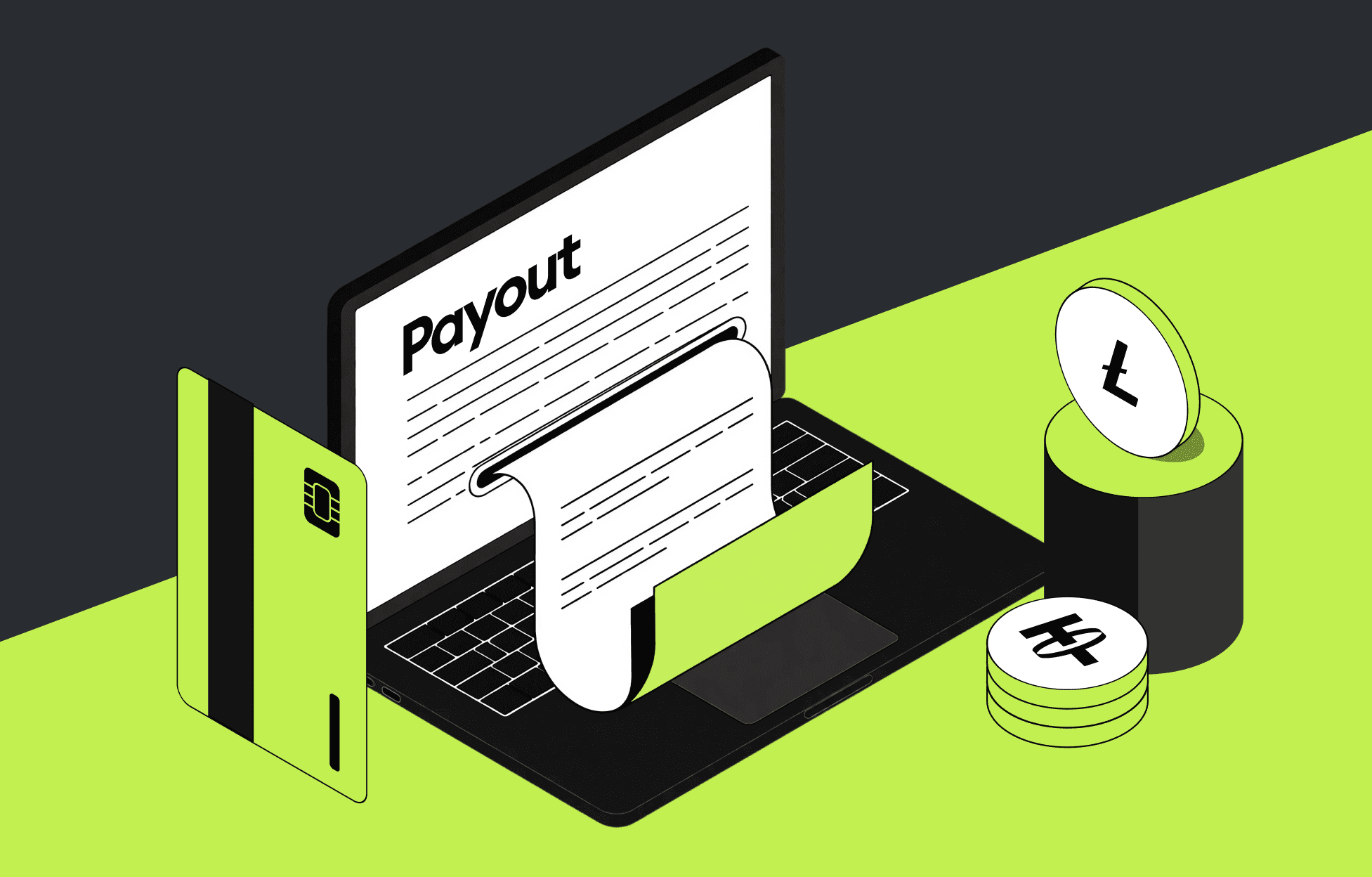
Your payroll should sync with your existing HR and accounting tools. Look for APIs that connect to platforms like Gusto, Rippling, or QuickBooks. Manual data entry increases the risk of errors and delays, defeating the purpose of automation. A seamless integration ensures that payroll runs on schedule without extra administrative overhead.
KeyTakeaways items=["Choose a platform with built-in tax compliance for your team's countries", "Compare FX fees to ensure stablecoin settlement is cheaper than traditional wires", "Audit security protocols to protect both company and employee funds", "Verify HRIS integration to automate payroll workflows"]
Watch Out for Weak Options in Crypto Payroll
Automating payroll with stablecoins sounds efficient, but the market is fragmented. Many platforms claim to cut FX fees and boost compliance, yet they often leave gaps in reporting or expose you to hidden conversion costs.
First, avoid platforms that lack clear fiat-on-ramp integration. If your team needs to spend their stablecoin income locally, the platform must offer seamless, low-cost conversion. Without this, you shift the FX burden to your employees, defeating the purpose of stablecoin payroll.
Second, scrutinize compliance claims. Not all "compliant" platforms meet IRS or local labor standards. Look for platforms that automatically generate tax-ready reports and support W-2 or contractor filings. Generic blockchain transparency does not equal regulatory compliance.
Finally, check for hidden volatility risks. Even with stablecoins, exchange rates fluctuate during settlement windows. Choose providers that lock rates at the point of payroll approval to protect your budget and your employees' purchasing power.
Crypto payroll 2026: what to check next
Stablecoin payroll has moved from experimental to standard practice, with 25% of businesses now using cryptocurrency for compensation and the market hitting $1.48 billion in 2024. As adoption accelerates, practical questions about mechanics, taxation, and visibility dominate the conversation.
These answers clarify that while the technology is new, the regulatory and financial implications are firmly rooted in existing tax law. Understanding these mechanics is essential before integrating stablecoin payroll into your operations.
No comments yet. Be the first to share your thoughts!