

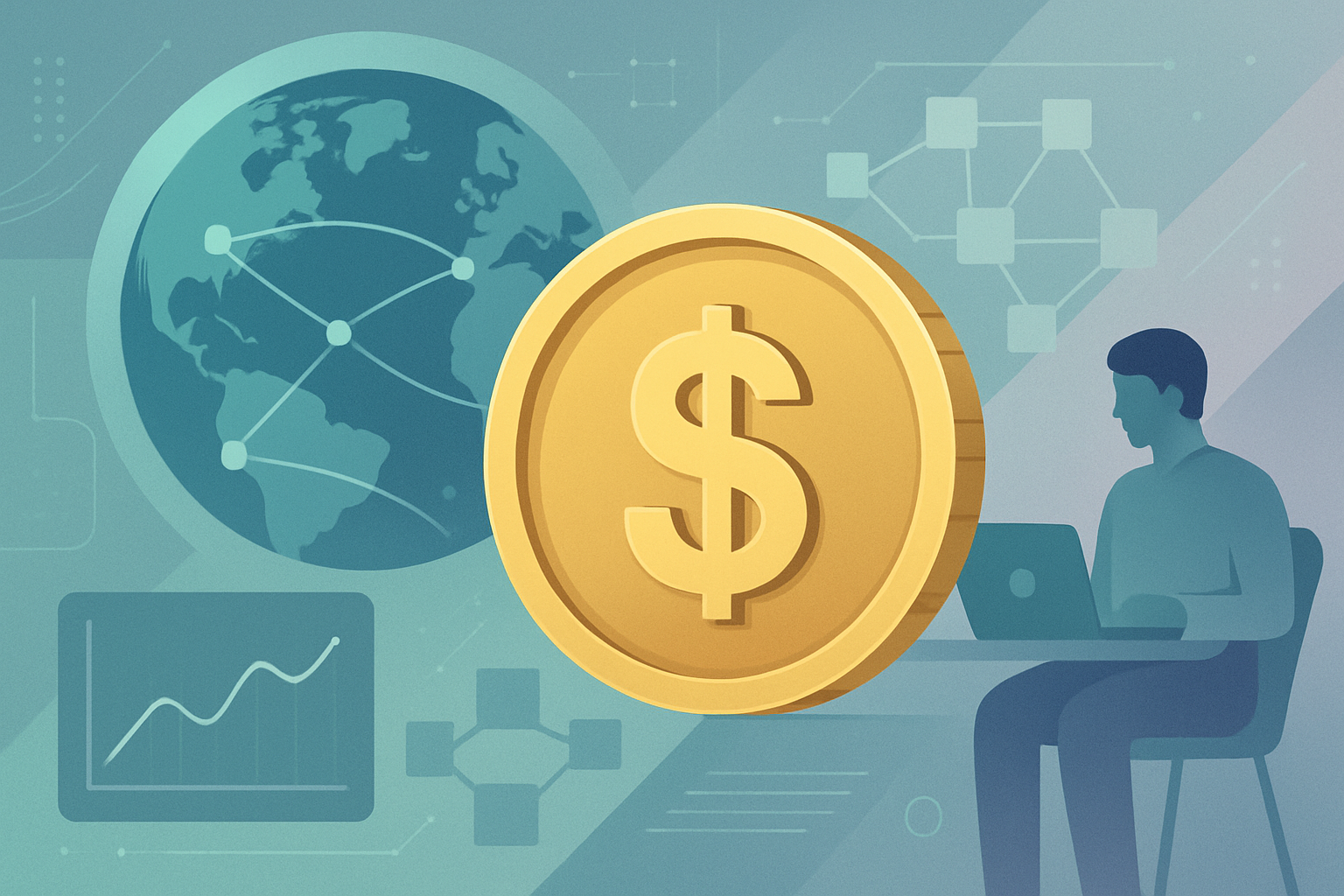
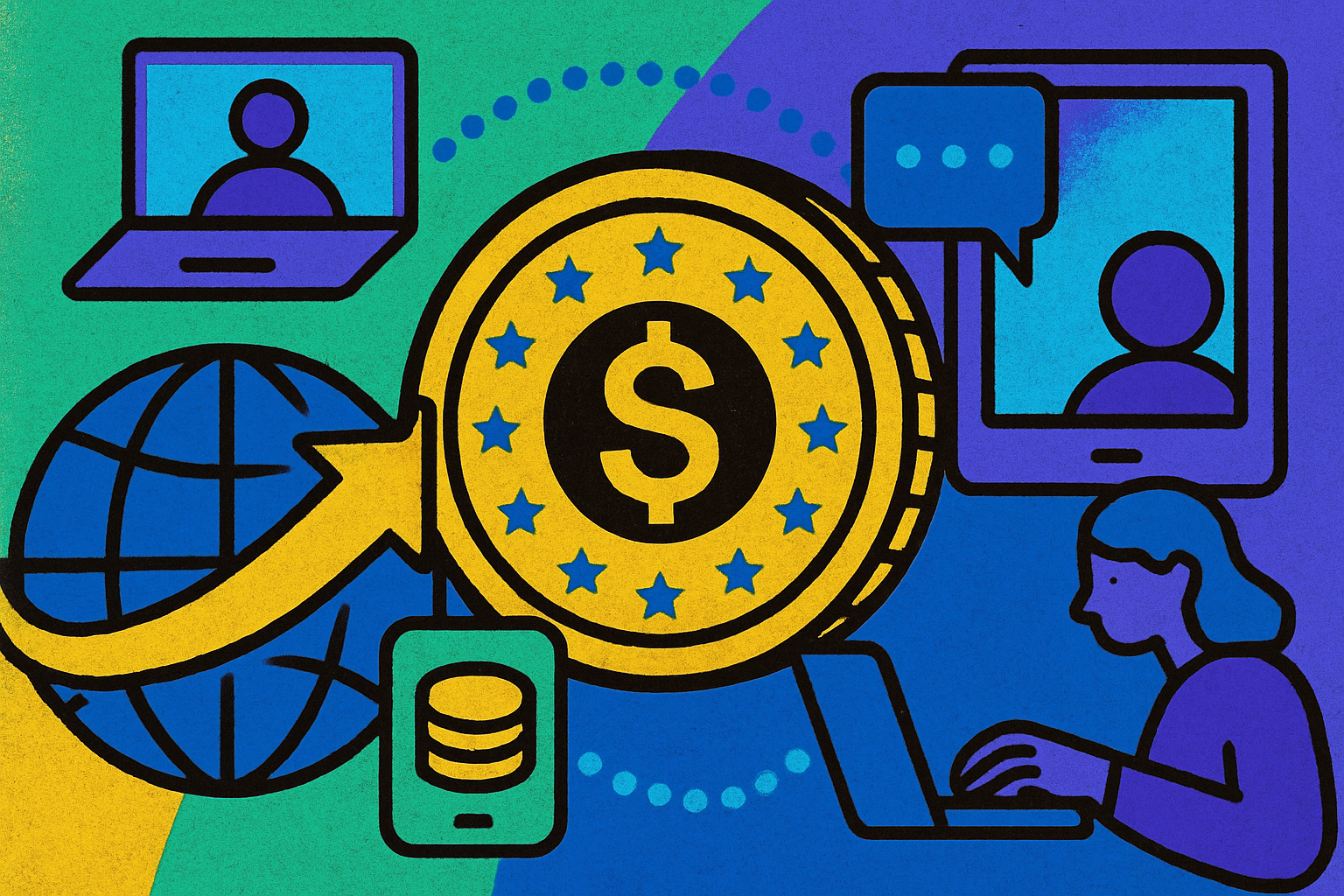
Latin America has rapidly emerged as a strategic hub for remote talent, but the region’s unique currency and banking challenges require innovative payroll solutions. For companies seeking to empower remote employees and contractors in Latin America, USDC stablecoin payroll is fast becoming the method of choice. This approach leverages blockchain efficiency, shields workers from local currency volatility, and slashes cross-border payment costs.

Why USDC Payroll Is Gaining Traction in Latin America
The traditional banking rails for paying international teams are slow, expensive, and often unpredictable. In Argentina and Venezuela, inflation routinely erodes local purchasing power. Even in relatively stable economies like Mexico or Brazil, international wire transfers can take days and incur fees of 5-10%. Stablecoins like USD Coin (USDC), which is pegged 1: 1 to the US dollar, offer a compelling alternative. They provide:
- Speed: Payments settle within minutes on blockchain networks.
- Cost savings: Transaction fees are typically less than $1 per transfer.
- Financial stability: Workers receive value in a globally recognized currency immune to local devaluation.
This shift is not just theoretical. Platforms like Remote and Bitwage have integrated USDC payroll for contractors in nearly 70 countries, including all major Latin American markets. According to
The Step-by-Step Process: Paying Remote Employees with USDC
Implementing a stablecoin payroll system is straightforward when you use the right platform. Here’s how leading companies are operationalizing crypto payroll for remote employees across Latin America:
- Select a compliant payroll platform: Choose services such as Bitwage or Remote that support USDC payouts across LATAM countries.
- Create employer and employee accounts: Register your business profile; invite team members to onboard and select USDC as their preferred payout option.
- Fund your account with USDC: Transfer the required amount of USD Coin from your company wallet or exchange account into the payroll platform’s treasury.
- Run payroll: Initiate salary disbursements to each employee or contractor. Blockchain settlement ensures near-instant delivery at minimal cost.
- Maintain compliance records: Use built-in reporting tools to generate transaction histories for tax authorities or internal audits.
This process allows businesses to bypass regional banking bottlenecks entirely, an especially valuable capability in countries where capital controls or currency restrictions complicate traditional payments. For an actionable walkthrough tailored to startups and SMBs, see our comprehensive guide: How to Pay Remote Employees in Latin America Using USDC Stablecoins: A Step-by-Step Guide.
The Benefits: Cost-Efficiency Meets Inflation Protection
The advantages of using stablecoin salaries in LATAM extend well beyond speed and convenience. By paying contractors with USDC, employers deliver tangible value that directly addresses regional pain points:
- No more predatory conversion fees: Freelancers avoid double-digit losses on FX spreads when converting USD payments into pesos or reais.
- Savings preserved against inflation: Holding earnings in a fully reserved digital dollar offers insulation from local monetary instability, a critical concern as Argentina’s annual inflation rate remains among the world’s highest.
- Total transparency: Blockchain ledgers enable auditable records for every payment, reducing friction with compliance teams and regulators alike.
- Payout flexibility: Recipients can keep funds in USDC or convert instantly into local currency via platforms like Pix (Brazil) or Mercado Pago (Argentina).
This model is already being adopted by tech firms, digital agencies, and global startups seeking resilient talent pipelines across Colombia, Mexico, Brazil, Chile, and beyond. For more about integrating crypto payroll into your global operations, and how it compares with other cross-border solutions, see our deep dive: How Stablecoins Like USDC Are Revolutionizing Cross-Border Payroll for Remote Teams.
Despite the clear advantages, successful implementation of USDC payroll in Latin America requires an understanding of both regulatory nuances and practical considerations. Local tax obligations, anti-money laundering (AML) requirements, and evolving crypto regulations must be factored into any payroll strategy. Leading platforms are responding by offering automated compliance tools and robust reporting features designed for cross-border teams.
Navigating Local Compliance and Conversion Challenges
One of the most common questions from employers is how remote workers in Latin America can convert USDC to local currency efficiently. The answer varies by country:
- Brazil: Workers can leverage services that integrate with Pix, Brazil’s instant payments system, to convert USDC directly to reais at competitive rates.
- Argentina: Given strict currency controls and high inflation, many freelancers prefer holding USDC or using peer-to-peer platforms for conversion.
- Mexico and Colombia: A growing ecosystem of exchanges and fintechs facilitates fast swaps from stablecoins to pesos or Colombian pesos with minimal slippage.
This flexibility allows employees to optimize their financial strategy: some may choose to keep savings in USDC as a hedge against devaluation, while others cash out immediately for daily expenses. The key is that crypto payroll for remote employees empowers choice, something legacy payment rails rarely provide.
Best Practices for Employers Adopting USDC Payroll
If you’re considering paying contractors with USDC in Latin America, follow these best practices to maximize impact and minimize friction:
- Clear onboarding communications: Educate your team about how stablecoin salaries work, wallet security essentials, and local tax implications.
- Select user-friendly wallets: Recommend trusted wallets compatible with your payroll platform, such as Coinbase Wallet or Trust Wallet, for easy access and conversion.
- Stay updated on compliance: Monitor changes in LATAM crypto regulations; utilize platform tools that generate compliant reports for both sides of the transaction.
- Pilot before scaling: Start with a small group to refine processes before rolling out company-wide.
The combination of automation, transparency, and borderless value transfer makes this approach particularly attractive for startups scaling internationally. For a broader look at integrating stablecoins into global payroll operations, including case studies from emerging markets, see our resource: How to Pay Remote Employees in Emerging Markets Using USDC Payroll.
The bottom line: The adoption of stablecoin salaries in LATAM is not merely a trend but a pragmatic response to persistent economic volatility. By leveraging blockchain rails and USD-backed assets like USDC, companies can deliver real financial empowerment to their remote teams, while optimizing compliance and efficiency across borders.
No comments yet. Be the first to share your thoughts!