
Set up compliant payroll infrastructure
The first requirement for crypto payroll is infrastructure. You cannot build a compliant system on private, non-custodial wallets. Relying on unfiltered personal wallets creates a massive compliance gap because these setups lack the necessary audit trails and reporting mechanisms required by tax authorities.
To pay employees in crypto legally, you must use a regulated payroll provider. These platforms act as the bridge between your company’s bank accounts and your employees’ digital wallets. They handle the conversion, tax withholding, and regulatory reporting that private transactions cannot support.
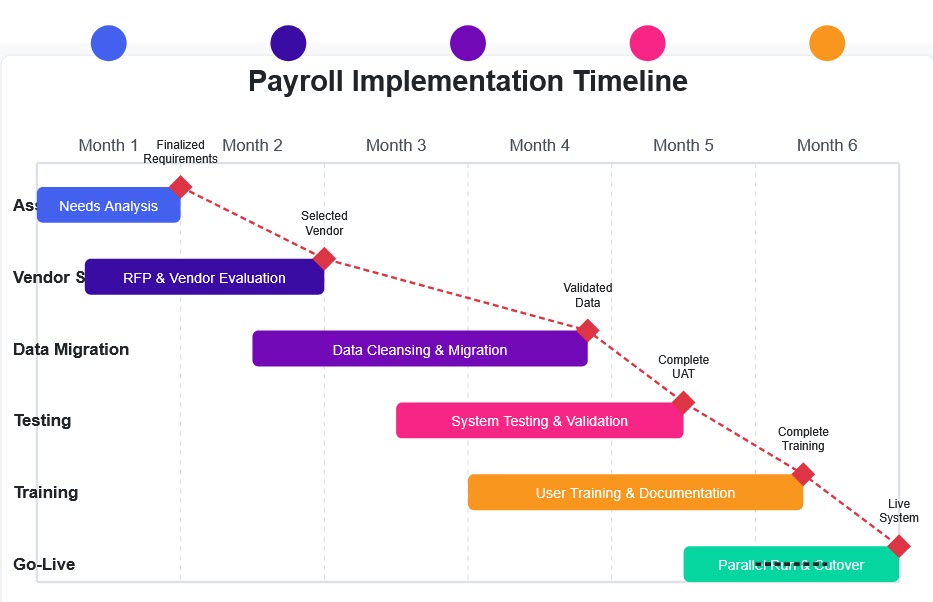
Choose a platform that is explicitly licensed to handle payroll in your jurisdiction. The provider must support fiat-to-crypto conversion and integrate with your existing accounting software. Avoid any tool that claims to be "decentralized" if it lacks a central compliance team.
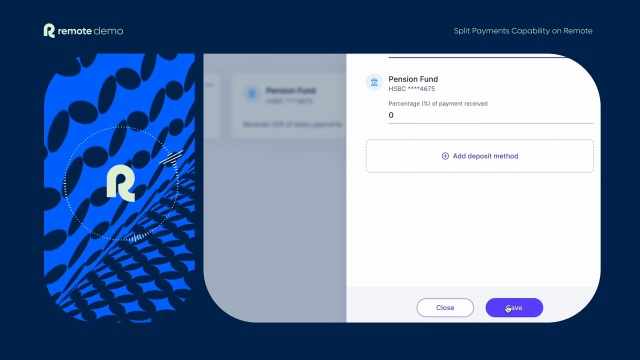
Set up the system to automatically deduct federal, state, and local taxes before the crypto payout is generated. The provider should calculate these liabilities based on the fiat value of the crypto at the moment of payment, ensuring you meet IRS and international reporting standards.
Have each employee complete identity verification (KYC) through the provider’s portal. This step is mandatory for AML (Anti-Money Laundering) compliance. Once verified, employees can link their preferred wallets or receive payouts directly to their bank accounts via the provider’s conversion services.
By establishing this infrastructure first, you shift crypto payroll from a liability to a strategic asset. You ensure that every payment is documented, taxed, and reported correctly, protecting both the employer and the employee from regulatory scrutiny.
Choose stablecoins over volatile assets
Stablecoins like USDC and USDT have become the standard for crypto payroll in 2026 because they eliminate the valuation volatility that makes volatile assets like Bitcoin impractical for recurring wages. When you pay a contractor in BTC, the value of their paycheck can swing significantly between the time you authorize the transaction and the time they receive it. This volatility creates two major problems: unpredictable payroll costs for your business and financial instability for your employees.
Using stablecoins ensures that the amount your team receives matches the agreed-upon salary, providing the predictability they need to manage rent, bills, and savings. Beyond stability, stablecoins simplify tax compliance. Volatile assets are treated as property in many jurisdictions, meaning every payment triggers a taxable event that requires complex tracking of cost basis and capital gains. Stablecoins pegged to fiat currencies generally avoid these complex capital gains calculations for the recipient, making payroll administration far more straightforward for both employers and employees.
The regulatory landscape further supports this shift. With frameworks like the GENIUS Act in the U.S. and MiCA in Europe clarifying the status of regulated stablecoins, using compliant tokens reduces legal risk. MoonPay and other major payout providers now prioritize stablecoin payroll solutions, recognizing that global teams need reliable, fiat-pegged compensation to function effectively. By sticking to USDC or USDT, you align with industry best practices and avoid the administrative nightmare of managing crypto volatility.
Process payroll with tax withholding
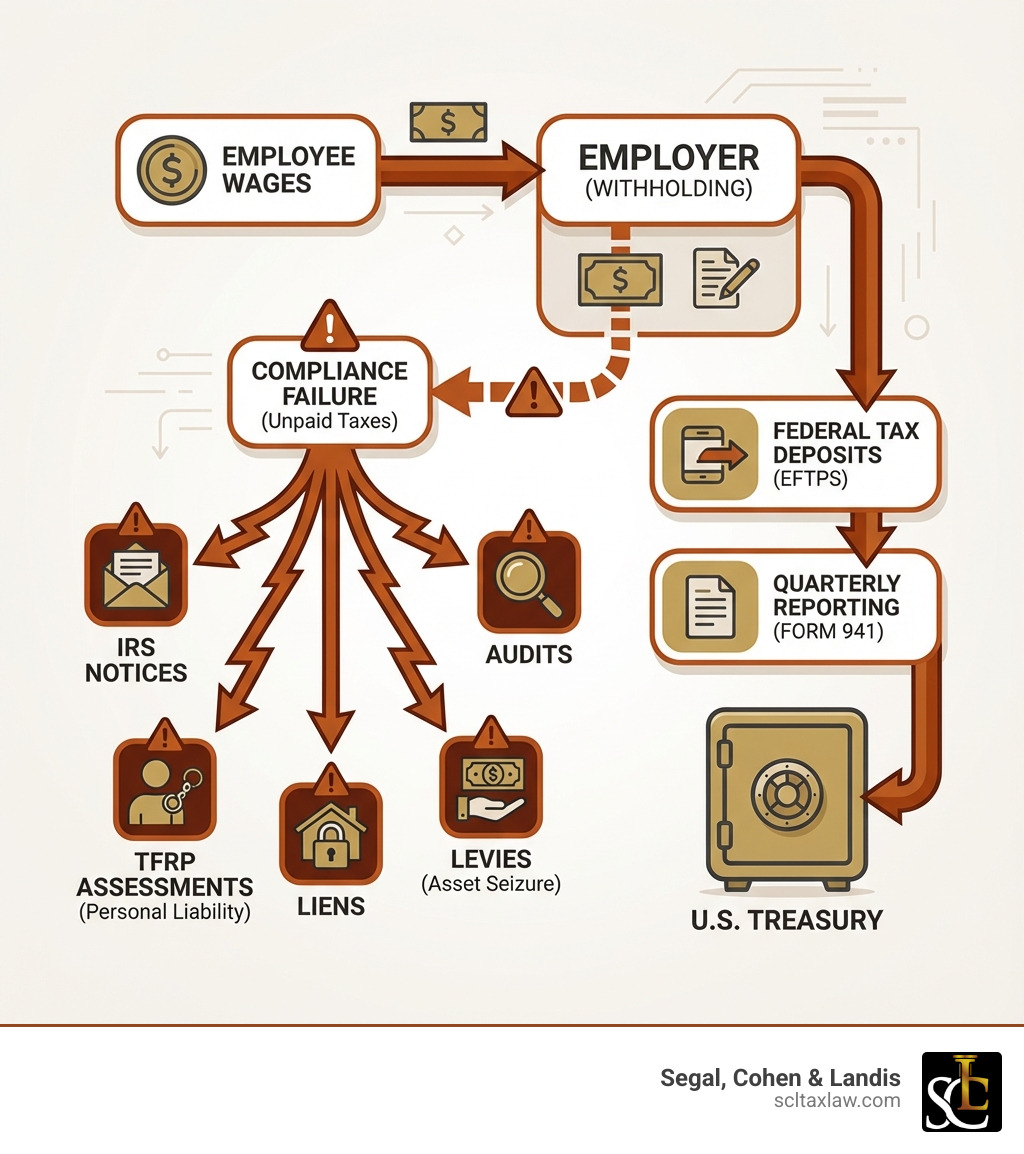
Paying employees in cryptocurrency does not exempt your business from standard labor laws or tax obligations. In the United States, the Fair Labor Standards Act requires that non-cash compensation still meets minimum wage standards, which is why many employers use a hybrid setup: base salary in fiat, with bonuses or equity in crypto. However, if you choose to pay entirely in crypto, you must treat it as taxable income and withhold the appropriate federal, state, and local taxes just as you would for a dollar-denominated paycheck.
1. Verify employee consent and classification
Before processing any crypto payroll, ensure you have explicit written consent from each employee. Many jurisdictions require employees to voluntarily opt into receiving cryptocurrency payments. Additionally, confirm that the worker is correctly classified as an employee versus an independent contractor, as this determines your withholding responsibilities.
2. Calculate gross pay and tax liabilities
Determine the gross pay amount for the pay period. Use your standard payroll software or a crypto-specific payroll provider to calculate the employee’s share of Social Security, Medicare, and federal income tax. Remember that the fair market value of the crypto at the time of payment is what matters for tax purposes, not the value at the time of accrual.
3. Withhold taxes and convert to fiat
This is the most critical operational step. You must withhold the calculated tax amounts from the employee’s crypto payout. Most compliant crypto payroll platforms handle this by automatically converting a portion of the crypto payment into fiat currency (USD, EUR, etc.) to cover tax liabilities. The remaining crypto is then disbursed to the employee’s wallet. Ensure your provider has the capability to file these taxes with the IRS on your behalf.
4. Issue W-2s and maintain records
At the end of the tax year, issue W-2 forms to employees reflecting the total crypto compensation paid. The IRS treats cryptocurrency as property, so you must report the fair market value in dollars at the time of each payment. Keep detailed records of all transactions, including timestamps, exchange rates used, and wallet addresses, to withstand potential audits.
Confirm the employee has signed a voluntary crypto payment agreement and that their worker classification is correct. This step prevents legal challenges regarding wage theft or misclassification.
Determine the gross pay amount and use your payroll system to calculate the employee’s share of Social Security, Medicare, and federal income tax based on current withholding tables.

Withhold the calculated tax amounts from the crypto payout. Use a compliant payroll provider to automatically convert a portion of the crypto into fiat currency to cover tax liabilities before disbursing the remainder to the employee.

Issue W-2 forms reflecting the total crypto compensation paid in dollars. Keep detailed records of all transactions, including timestamps, exchange rates, and wallet addresses, to withstand potential audits.
File SEC and IRS digital asset reports
Compliance for crypto payroll in 2026 requires precise alignment with both federal tax authorities and securities regulators. The landscape is shifting from general guidance to specific reporting mandates, particularly for digital assets treated as property.
IRS Form 1099 Requirements
The IRS classifies cryptocurrency as property, not currency. This means every transaction that compensates an employee is a taxable event. Employers must report crypto payments on Form 1099-NEC (for contractors) or Form W-2 (for employees).
The key is determining the fair market value at the time of payment. You must convert the crypto amount to U.S. dollars using a reliable exchange rate at the exact second the funds are released. This USD value becomes the basis for withholding income tax, Social Security, and Medicare.
Failure to report these values accurately can lead to penalties for both the employer and the employee. Keep detailed records of the transaction hash, timestamp, and the exchange rate source used for the conversion.
SEC Digital Asset Reporting
While the IRS handles taxation, the SEC focuses on whether the asset itself is a security. If your company pays employees in a token classified as a security, additional disclosure requirements may apply.
In 2026, the SEC has tightened scrutiny on digital asset offerings and compensation structures. If your crypto payroll involves equity-like tokens or staking rewards, you may need to file Form D or adhere to Regulation D exemptions.
Consult legal counsel to determine if your specific token falls under the Howey Test. Misclassifying a security can result in severe regulatory action, separate from tax liabilities.
Best Practices for 2026
- Automate Valuation: Use payroll software that integrates with major exchanges to lock in USD values at the moment of transfer.
- Maintain Audit Trails: Store transaction hashes and exchange rate screenshots for at least seven years.
- Clarify Token Status: Document whether any paid tokens are considered securities by legal counsel.
Accurate reporting protects your company from audits and ensures employees receive correct tax documents on time.
Compare top crypto payroll platforms
Choosing the right crypto payroll platform requires aligning technical capabilities with your specific compliance obligations. The following comparison focuses on four leading providers—Rise, Eco, Bitwage, and Deel—evaluating their stablecoin support, global reach, and regulatory features. This side-by-side view helps you identify which tool fits your operational structure, whether you are paying remote contractors or managing a distributed team.
| Platform | Stablecoin Support | Global Coverage | Key Compliance Feature |
|---|---|---|---|
| Rise | USDC, USDT, DAI | Global (190+ countries) | Automated tax reporting & withholding |
| Eco | USDC, USDT, DAI, EURC | Global (180+ countries) | Multi-chain support & EOR integration |
| Bitwage | BTC, ETH, USDC | US, EU, UK, APAC | Fiat-to-crypto split payments |
| Deel | USDC, DAI | 150+ countries | Local entity compliance & EOR |
Rise and Eco offer broad stablecoin support and extensive global coverage, making them suitable for teams spread across diverse jurisdictions. Rise emphasizes automated tax reporting, which reduces the administrative burden of cross-border payments. Eco provides multi-chain capabilities, allowing employers to leverage various blockchain networks for efficiency and cost savings.
Bitwage specializes in hybrid payment structures, enabling employees to receive portions of their salary in fiat and the remainder in cryptocurrency. This is particularly useful in regions where crypto legality is ambiguous or where employees prefer traditional banking. Deel integrates crypto payments with its extensive Employer of Record (EOR) services, simplifying compliance for companies hiring internationally without local entities.
Frequently asked questions about crypto payroll
Employers and employees often have specific concerns about the legality and mechanics of digital asset compensation. These questions address the current regulatory landscape and market conditions for 2026.
No comments yet. Be the first to share your thoughts!