
Why stablecoins drive 2026 payroll
Stablecoins have become the dominant asset class for crypto payroll in 2026 because they bridge the gap between blockchain efficiency and financial predictability. Unlike volatile cryptocurrencies, stablecoins pegged to fiat currencies like the US dollar allow remote teams to receive compensation without the risk of sudden devaluation. This stability is the primary reason why platforms are increasingly built around USDC and USDT rather than Bitcoin or Ethereum for routine salary disbursements.
The adoption rate reflects this shift toward reliability. According to Rise’s 2025 Crypto Payroll Report, 25% of businesses already use crypto for payroll, with projections reaching 35-40% by late 2026. This growth is not driven by speculation but by the practical need for faster, cheaper cross-border payments. Companies are choosing stablecoins to eliminate the friction of traditional banking rails, particularly for global contractors who previously faced high wire transfer fees and multi-day settlement times.
Stablecoin adoption is further supported by the maturation of on-ramping and off-ramping infrastructure. Data from Mercuryo indicates that 57% of users now use digital dollars for off-ramping, suggesting that the end-to-end user journey is becoming more seamless. As regulatory clarity improves and major financial institutions integrate stablecoin rails, the risk profile for employers using these platforms continues to decrease, making stablecoin-based crypto payroll 2026 a standard operational choice for remote-first organizations.
Top crypto payroll platforms compared
Choosing the right crypto payroll 2026 infrastructure depends on your team's specific needs for compliance, supported chains, and fee structures. The market is fragmented, with platforms like Eco, Bitwage, Rise, and Deel offering distinct approaches to paying remote workers in digital assets.
Eco has emerged as a dedicated infrastructure provider, focusing on seamless integration for businesses that want to automate payroll directly on-chain. Bitwage, operating since 2014, offers a more established route for paying workers across 170 countries, often bridging traditional banking with crypto settlements. Rise focuses on simplicity and speed for smaller teams, while Deel integrates crypto payouts into its broader global employment and contractor management suite.
The following comparison highlights the core differences in fees, supported networks, and compliance features to help you evaluate which platform aligns with your operational model.
| Platform | Fee Structure | Supported Chains | Compliance Features |
|---|---|---|---|
| Eco | Pay-as-you-go, no monthly minimum | Multi-chain (EVM, Solana, etc.) | Built-in KYC/AML workflows |
| Bitwage | Percentage-based per payout | Bitcoin, Ethereum, USDC | Global regulatory adherence since 2014 |
| Rise | Low flat fee per transaction | Ethereum, Polygon, BSC | Standard KYC for employers |
| Deel | Included in enterprise plans or per-pay fee | USDC, USDT on multiple chains | Full EOR compliance and tax handling |
When evaluating these options, consider whether you need a standalone crypto payroll tool or a broader global employment platform like Deel. For pure crypto-native teams, Eco’s multi-chain support offers flexibility. For companies needing deep integration with traditional HR systems, Bitwage’s longevity and global reach provide stability.
Automating payments with DeFi tools
The shift from manual transfers to automated workflows is the defining feature of crypto payroll 2026. While early adopters simply sent USDC to employee wallets, modern platforms integrate DeFi infrastructure to handle the entire lifecycle: from smart contract execution to fiat off-ramping. This automation reduces the administrative burden on payroll teams, allowing them to manage global talent without navigating traditional banking bottlenecks.
Stablecoins serve as the settlement layer for these automated systems. Unlike volatile assets like Bitcoin, stablecoins pegged to fiat currencies provide the price stability required for regular wage payments. To illustrate this reliability, we can look at the market behavior of USDC, the most widely used stablecoin for corporate treasury and payroll operations.
The chart above shows USDC holding its peg against the US Dollar. This stability is critical for payroll; employees expect their wages to maintain purchasing power from pay period to pay period. Automated DeFi tools leverage this stability to execute payments instantly, regardless of the employee's location, while providing an audit trail that is transparent and immutable.
Beyond the transfer itself, the real value lies in automated off-ramping. Many platforms now integrate with DeFi protocols to convert crypto to fiat automatically when employees request withdrawal. According to data from Mercuryo, 57% of crypto payroll users rely on digital dollars for off-ramping, highlighting the demand for seamless fiat conversion within the DeFi stack. This integration eliminates the need for manual exchange transactions, reducing fees and settlement times.
Smart contracts further streamline the process by enforcing payment schedules and conditions. Instead of relying on human intervention to trigger payments, companies can set up recurring transactions that execute automatically on blockchain networks. This reduces the risk of human error and ensures that employees are paid on time, every time. For payroll teams managing distributed global talent, this level of automation is not just a convenience—it is a necessity.
Compliance and tax considerations
Use this section to make the Crypto Payroll decision easier to compare in real life, not just on paper. Start with the reader's actual constraint, then separate must-have requirements from details that are merely nice to have. A practical choice should survive normal use, maintenance, timing, and budget. If a recommendation only works in an ideal situation, call that out plainly and give the reader a fallback path.
The simplest way to use this section is to write down the must-have criteria first, then compare each option against those criteria before weighing nice-to-have features.
Steps to launch crypto payroll
Launching crypto payroll 2026 requires aligning treasury mechanics with compliance standards before touching employee onboarding. The market remains fragmented, with established players like Bitwage and Deel offering distinct advantages depending on your team's structure. Start by auditing your treasury to ensure you can hold stablecoins securely and execute transactions without exposing the company to unnecessary volatility.

Evaluate platforms based on supported stablecoins and regional compliance. Eco provides a comparison of top platforms, noting that Bitwage has processed payments across 170 countries since 2014. Ensure the vendor supports your preferred blockchain network to minimize gas fees and settlement times.
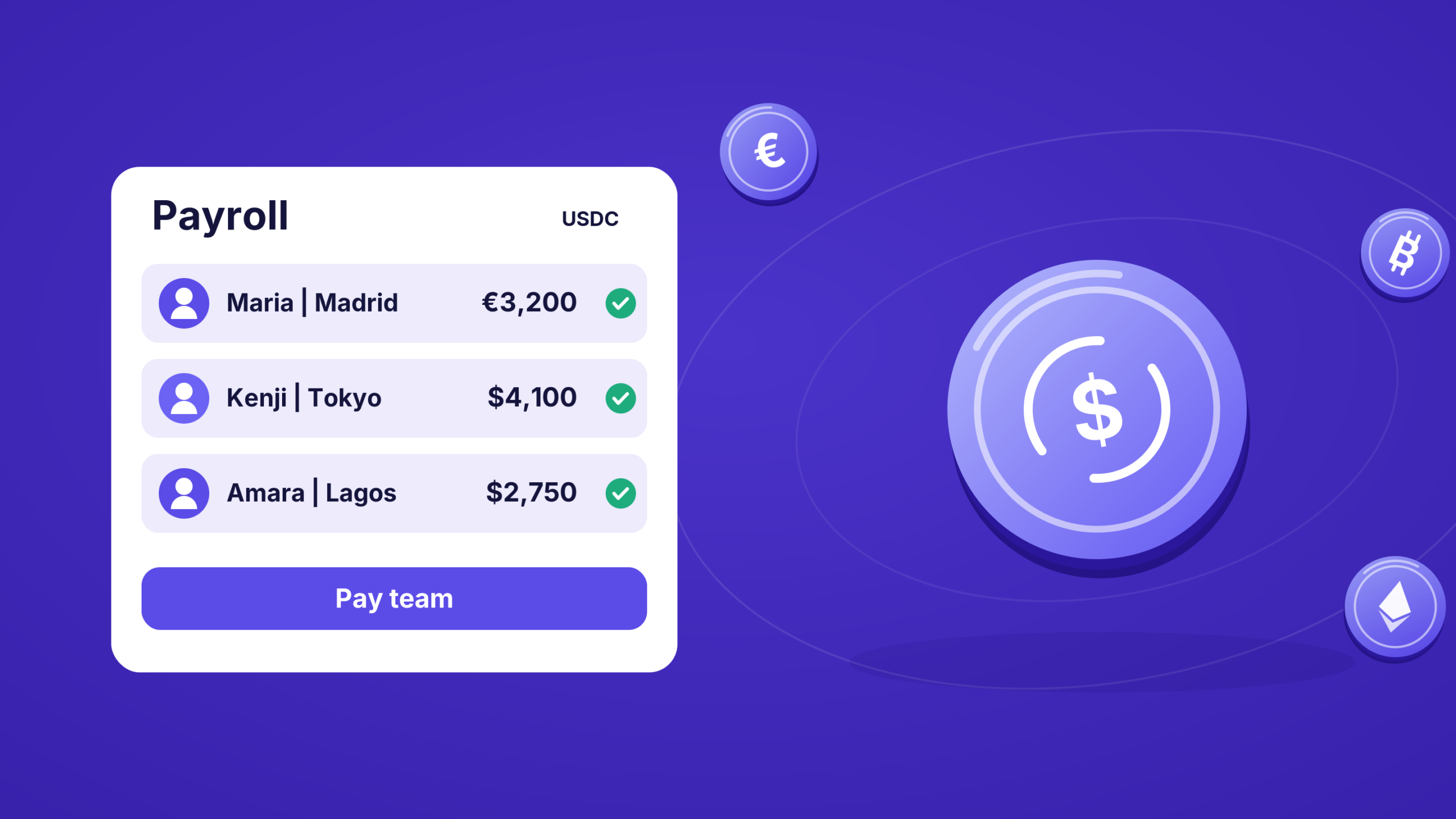
Set up dedicated corporate wallets for payroll disbursement. Implement multi-signature requirements to prevent unauthorized transfers. Link these wallets to your chosen payroll software via API, ensuring that fund movements are logged automatically for accounting and tax reporting purposes.
Create a simple guide for your team to receive crypto payments. Most platforms offer self-custody wallets or integration with existing hardware wallets. Verify employee identity and tax forms before the first payout to ensure regulatory adherence from day one.

Process a small test payout to verify transaction speeds and fee calculations. Confirm that employees can convert the stablecoins to fiat if needed. Once the pilot succeeds, schedule the full payroll run, monitoring the blockchain for any confirmations or delays.
No comments yet. Be the first to share your thoughts!