
Crypto payroll in 2026: how we chose the top strategies
Crypto payroll has moved from experimental to essential for global teams in 2026. The shift is driven by the reliability of stablecoins like USDC and USDT, which offer instant settlement without the volatility of Bitcoin or Ethereum. This section outlines the five most effective strategies for handling cross-border compensation, focusing on compliance, speed, and cost efficiency.
We selected these strategies based on strict criteria. First, each method must support multi-currency payouts to remote workers in different jurisdictions. Second, compliance with local tax and labor laws is non-negotiable; we prioritized platforms that automate withholding and reporting. Third, we evaluated the user experience for both employers and employees, ensuring that receiving funds is as simple as receiving a traditional bank transfer.
The landscape has matured significantly. Where early adopters faced complex wallet management, today’s solutions integrate directly with payroll software. This means you can pay in crypto while your team receives stablecoins that can be held, spent, or converted to local fiat with minimal friction. The following strategies reflect the current best practices for teams navigating this space.
5 Crypto Payroll Strategies for Global Teams in 2026: Compliance, Stability & Instant Settlements
Global teams face rising regulatory scrutiny and volatility in 2026, making traditional fiat payroll models increasingly risky. These five strategies prioritize compliance, stability, and instant settlements to protect your business while leveraging crypto's efficiency.
1. Stablecoin payroll for exchange rate stability
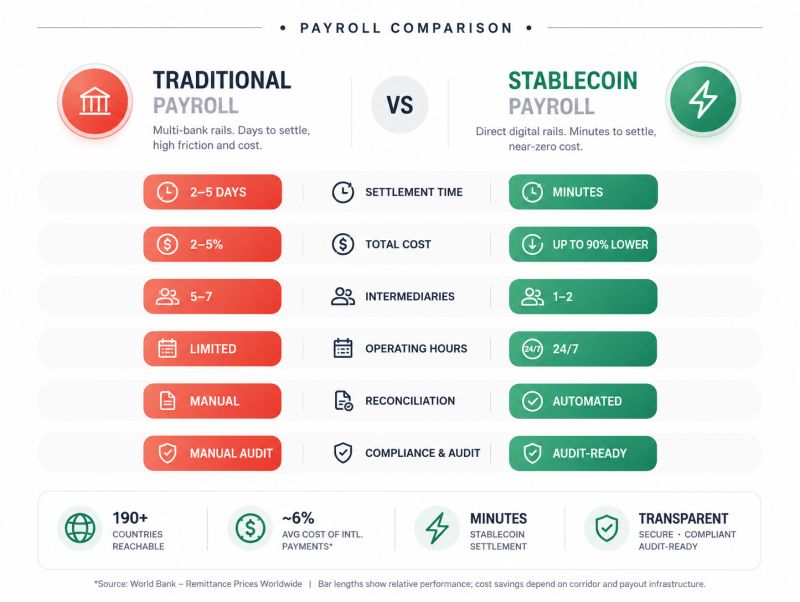
Stablecoins pegged to fiat currencies eliminate the volatility that often plagues crypto payroll. By paying in assets like USDC or USDT, global teams maintain predictable value without the daily fluctuations seen in Bitcoin or Ethereum. This approach ensures employees receive the exact purchasing power agreed upon, simplifying budgeting for both employers and staff while leveraging blockchain speed for instant cross-border settlements.
2. Multi-signature wallets for enhanced security compliance
Multi-signature (multi-sig) wallets require multiple private keys to authorize transactions, drastically reducing the risk of fraud or unauthorized access. For global teams handling sensitive payroll data, this adds a critical layer of security where no single individual can move funds alone. This structure aligns with internal audit requirements and provides a clear, immutable record of who approved each payroll disbursement.

3. Automated tax reporting tools for global teams
Navigating tax obligations across different jurisdictions is complex, but automated reporting tools streamline this process by tracking transaction histories and generating necessary documents. These platforms integrate with local tax regulations to calculate withholdings and issue compliant reports, reducing the administrative burden on HR and finance teams. This automation ensures that global payroll remains compliant with evolving international tax laws without manual intervention.

4. Hybrid fiat-crypto payout options for employee choice
Offering hybrid payout options allows employees to choose between receiving their salary in traditional fiat currency or stablecoins, catering to diverse financial preferences and needs. This flexibility can improve employee satisfaction by accommodating those who prefer the stability of local currency or those who wish to hold digital assets. It also helps organizations attract a wider talent pool by providing adaptable compensation structures.
5. Regulatory sandbox partnerships for legal certainty
Partnering with regulatory sandboxes allows companies to test crypto payroll solutions under the supervision of financial regulators, ensuring legal compliance before full-scale implementation. This approach provides a safe environment to identify potential risks and adjust processes to meet local laws. It offers peace of mind for global teams by establishing a clear legal framework for crypto transactions, reducing the risk of future regulatory penalties.
How to choose the right crypto payroll platform
Picking a crypto payroll provider is less about finding the "best" tool and more about matching your operational reality. A platform that works for a 10-person remote agency may fail a 500-person manufacturing firm due to compliance overhead. Use this framework to evaluate options against your specific constraints.

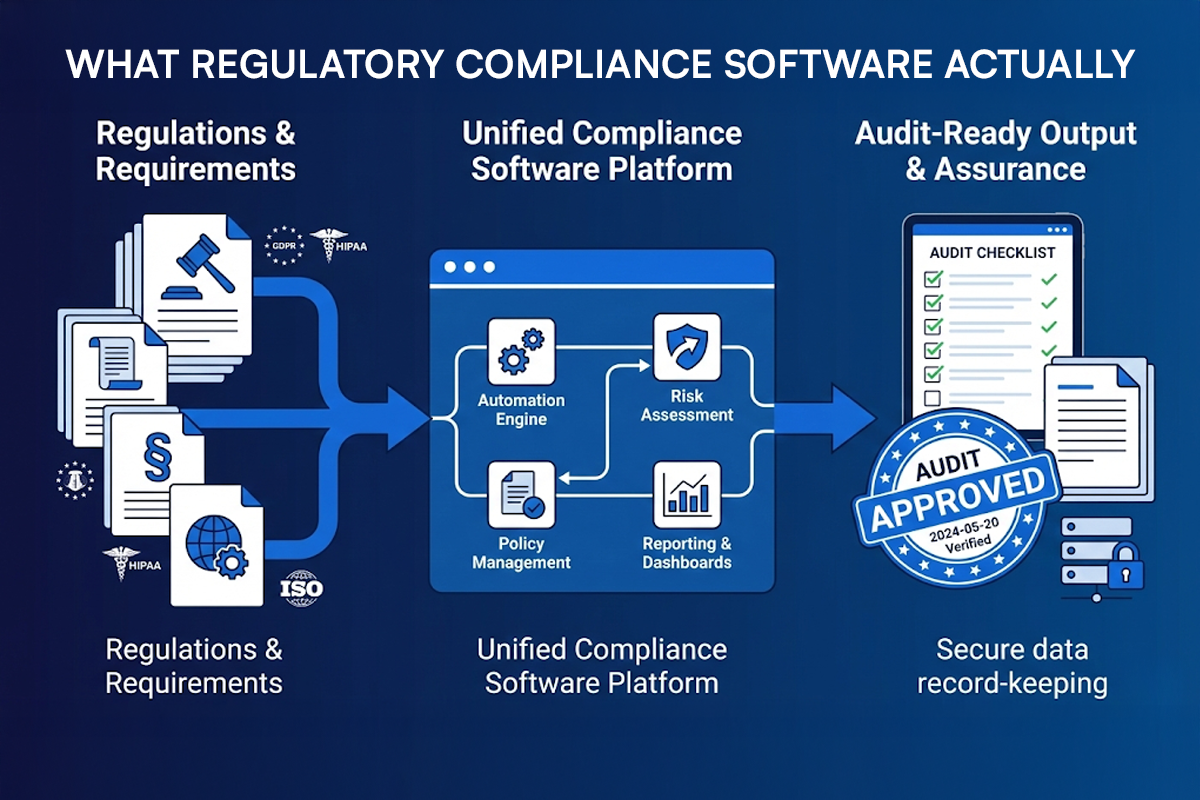
Crypto regulations vary wildly by jurisdiction. Some countries ban crypto wages entirely, while others treat them as taxable income requiring specific reporting. Ensure the platform explicitly supports legal payroll structuring in your primary hiring countries. If they cannot provide clear guidance on local tax withholding, move on. Compliance is the foundation; without it, speed means nothing.

In 2026, stablecoins like USDC and USDT are the standard for payroll because they minimize volatility risk. Look for platforms that offer instant conversion from your treasury funds into local fiat or stablecoins at the time of payment. Slow conversion windows expose your company to exchange rate fluctuations, which can erode payroll budgets overnight. Speed and stability are non-negotiable for employee trust.

Your platform is only as good as your team's ability to use it. If employees need to set up complex wallets and manage private keys manually, adoption will fail. Choose a provider that offers custodial solutions or seamless integration with popular wallets like MetaMask or Coinbase Wallet. The onboarding process should take minutes, not hours, ensuring your remote team gets paid without technical hurdles.
Hidden fees can turn a cost-saving strategy into an expense. Compare platform fees against traditional banking rails, but also look for hidden network gas fees or withdrawal charges. Ensure the platform integrates with your existing treasury management tools (like Fireblocks or Coinbase Prime) to automate fund allocation. Transparent pricing allows you to calculate the true cost of global payroll accurately.
Blockchain transactions are irreversible. If a payment goes to the wrong address or gets stuck, you need a support team that can actually help. Avoid platforms that rely solely on automated chatbots. Look for providers with dedicated account managers and clear dispute resolution policies. In high-stakes payroll, human support is your safety net against irreversible errors.
| Feature | Basic Plan | Pro Plan |
|---|---|---|
| Monthly Fee | $50 | $200 |
| Transaction Fee | 1.5% | 0.8% |
| Support Level | Dedicated Manager | |
| Tax Reporting | Basic | Advanced |



As an Amazon Associate, we may earn from qualifying purchases.
Frequently asked: what to check next
What is a crypto payroll?
Crypto payroll is the use of cryptocurrencies as a means of payment of employee wages. Bitcoin is the most popular option for cryptocurrency payroll, but it's not the only option. Coins range from established names like Ethereum (ETH) and Litecoin (LTC) to rapidly growing ones like Solana (SOL) and Cardano (ADA).
Is crypto still worth it in 2026?
If you treat it just like other assets, if you rebalance, if your dollar cost average, if you do a long-term holding strategy, historically it's been really beneficial to portfolio returns. And I think that it is likely to persist into the future.
How does crypto payroll work for global teams?
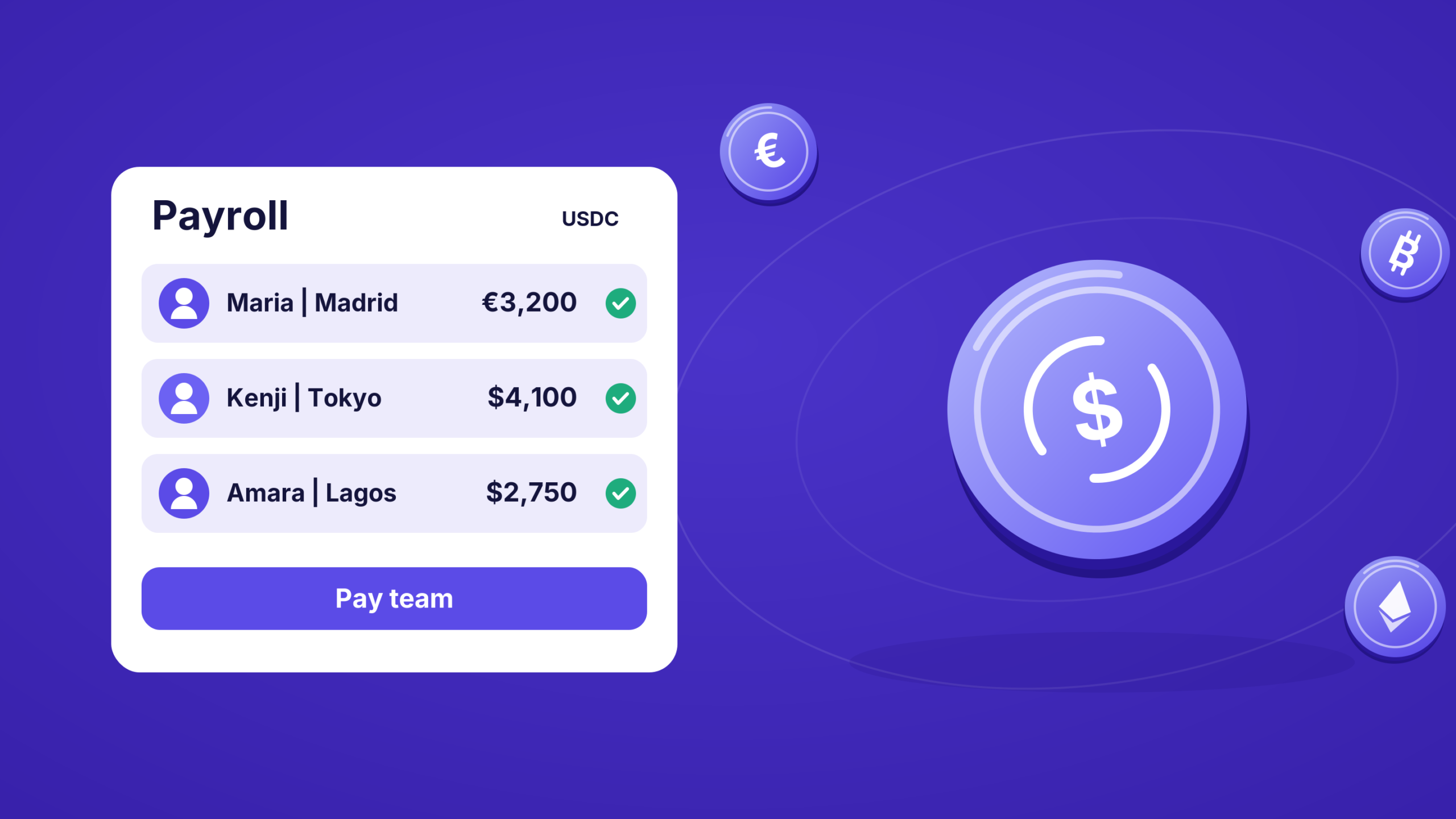
Crypto payroll refers to compensating employees or contractors using blockchain-based digital assets instead of relying solely on traditional bank rails. This method allows for instant settlements across borders, bypassing the delays and fees associated with international wire transfers.
What is the best cryptocurrency for payroll in 2026?
Crypto payroll is becoming a serious part of global compensation in 2026, especially through stablecoins like USDC and USDT. These assets offer the speed of blockchain with the price stability of the US dollar, reducing the volatility risk for both employers and employees.
What are the main barriers to crypto payroll adoption?
The main barriers to mainstream crypto payroll include regulatory uncertainty, tax compliance complexities, and the technical knowledge required to manage digital assets. However, specialized platforms are emerging to streamline these processes for businesses.
No comments yet. Be the first to share your thoughts!