
Crypto payroll in 2026: why the market shifted
Crypto payroll in 2026 is no longer a niche experiment for crypto-native teams. It has become a practical operational layer for companies managing distributed, global talent. The shift is driven by two main factors: the need to keep up with remote work and the limitations of traditional banking rails for cross-border payments.
According to Rise Pay, payroll teams are actively adopting crypto solutions to handle the complexity of hiring contractors and employees across different jurisdictions. Bitwage, which has been processing payments across 170 countries since 2014, and Deel, which supports contractor crypto disbursements, highlight how fragmented yet established this market has become.
The core value proposition remains consistent: faster settlement times and lower transaction fees compared to wire transfers. However, the 2026 landscape is more regulated and integrated with traditional finance than in previous years. Companies are now choosing platforms that offer compliance tools alongside automated stablecoin disbursements, reducing tax friction and boosting retention by giving workers more control over their compensation.
Crypto payroll 2026 choices that change the plan
Choosing a crypto payroll strategy in 2026 requires balancing speed, cost, and compliance. The market is fragmented, with platforms ranging from legacy contractors like Bitwage to newer automated disbursement tools. While stablecoins offer near-instant global settlement, they introduce distinct accounting and regulatory challenges that traditional fiat rails do not. Understanding these tradeoffs is essential for teams managing distributed talent.
The primary advantage of crypto payroll is efficiency. Traditional cross-border payments often take days to clear and incur high wire fees. Stablecoin disbursements settle in minutes with minimal transaction costs, regardless of the recipient's location. This speed is critical for retaining global talent who rely on predictable, timely income. However, this efficiency comes at the cost of increased complexity in tax reporting and employee education.
| Feature | Stablecoin Payroll | Traditional Fiat | Hybrid Model |
|---|---|---|---|
| Settlement Time | Minutes (on-chain) | 1-5 business days | Minutes for USDC, days for fiat |
| Cross-Border Fees | Low ($0.10-$2.00) | High ($15-$50+ per wire) | Variable |
| Tax Reporting | Complex (requires tracking basis) | Standard (W-2/1099) | Simplified for fiat portion |
| Employee Adoption | Requires wallet setup | Universal | Optional crypto option |
| Volatility Risk | Low (if pegged correctly) | None | Managed via auto-conversion |
For startups and remote-first companies, the cost savings on international wires often justify the administrative overhead. A team paying 50 contractors globally could save thousands monthly in fees alone. Yet, for organizations with strict compliance requirements or employees unfamiliar with blockchain technology, a hybrid model may be safer. This approach allows companies to pay in stablecoins while automatically converting portions to fiat for tax withholdings, reducing the burden on employees.
The decision ultimately depends on your team's technical comfort and geographic distribution. If your workforce is crypto-native and distributed across multiple jurisdictions, automated stablecoin disbursements offer the best balance of speed and cost. For more traditional teams, a hybrid approach provides a gradual entry into crypto payroll without disrupting existing payroll infrastructure.
How to choose the right crypto payroll platform
Selecting a crypto payroll provider in 2026 requires matching your team’s distribution model to the platform’s compliance and settlement capabilities. The market is fragmented, with specialized tools for independent contractors competing against global payroll giants adding crypto rails. Your choice depends on whether you prioritize regulatory safety for full-time employees or speed for a distributed gig workforce.

Determine if your team consists primarily of independent contractors or full-time employees. Platforms like Bitwage have built their reputation on paying contractors across 170 countries, making them ideal for freelance-heavy organizations. If you have W-2 employees, you need a provider that integrates with traditional payroll systems to handle tax withholding, not just crypto disbursement.
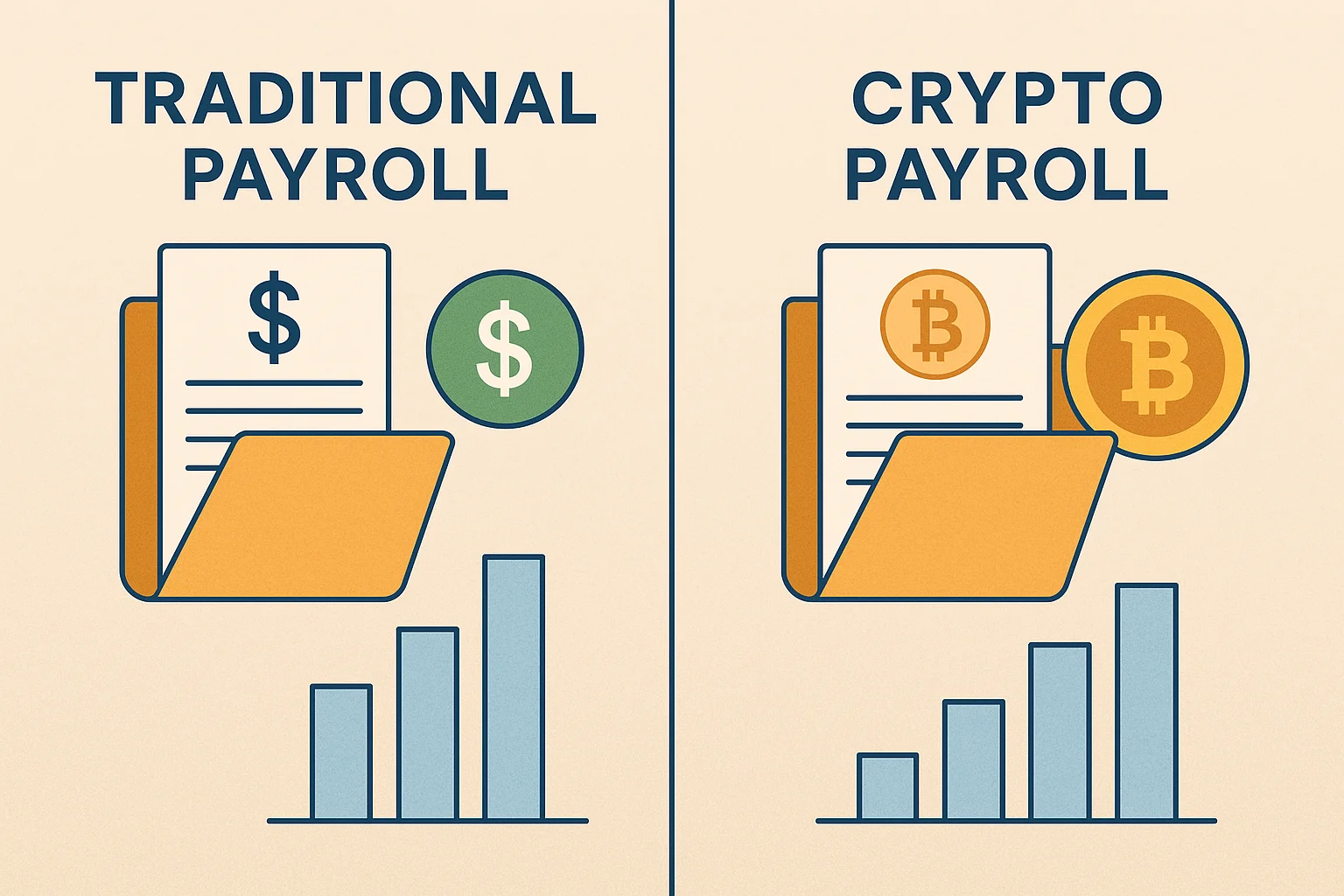
Check if the platform supports fiat off-ramps in your employees’ jurisdictions. In 2026, the primary driver for adoption is the ability to convert stablecoin payments into local currency instantly. If your team is in regions with strict capital controls or banking restrictions, choose a provider that offers direct integration with local payment networks to ensure workers can access their funds without friction.
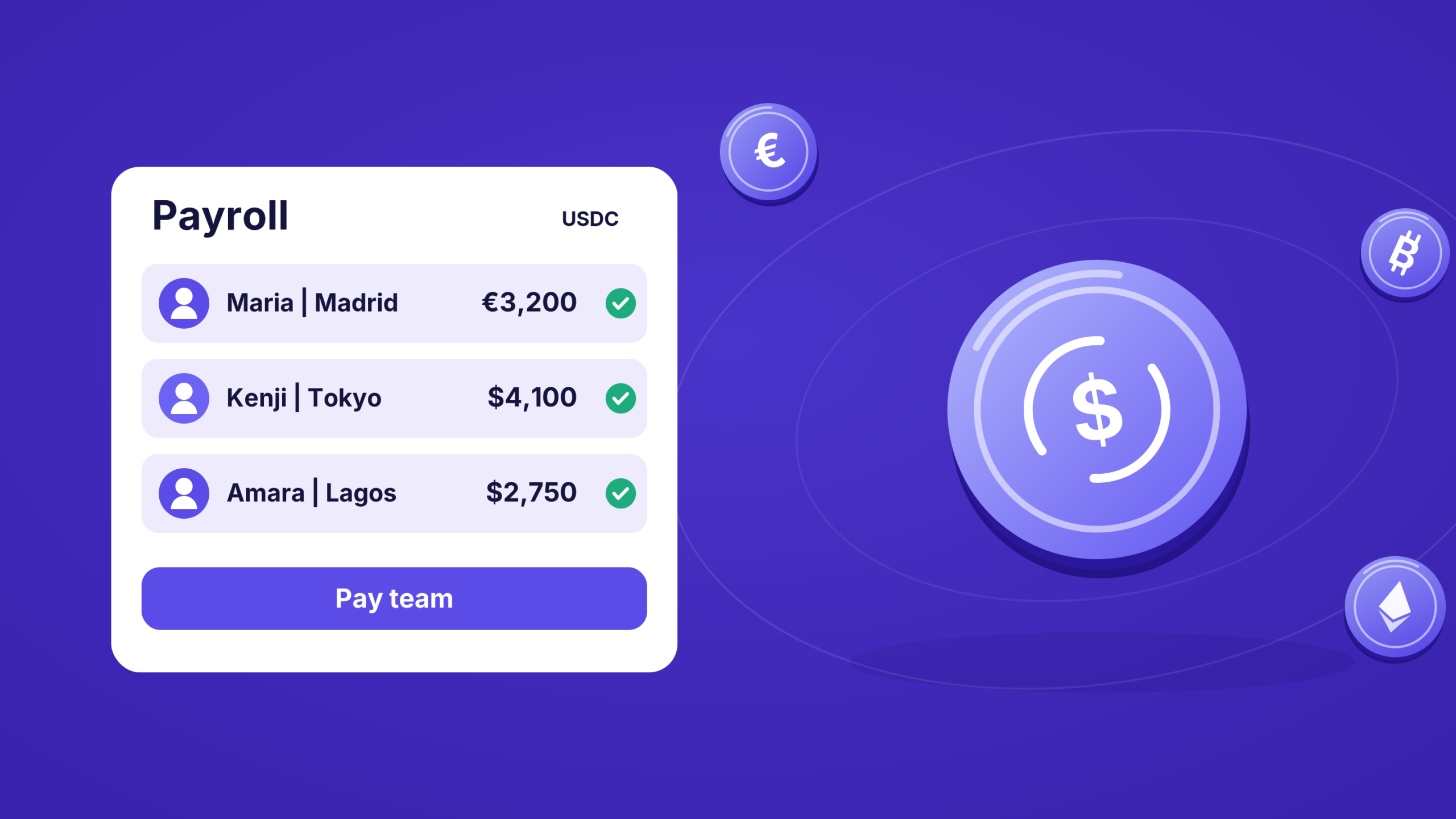
Look for platforms that generate IRS Form 1099-NEC and equivalent international tax documents automatically. Manual tracking of crypto payments creates significant liability. The best providers sync with accounting software like QuickBooks or Xero, ensuring that every stablecoin disbursement is recorded at the correct fair market value on the date of payment, reducing end-of-year reconciliation errors.
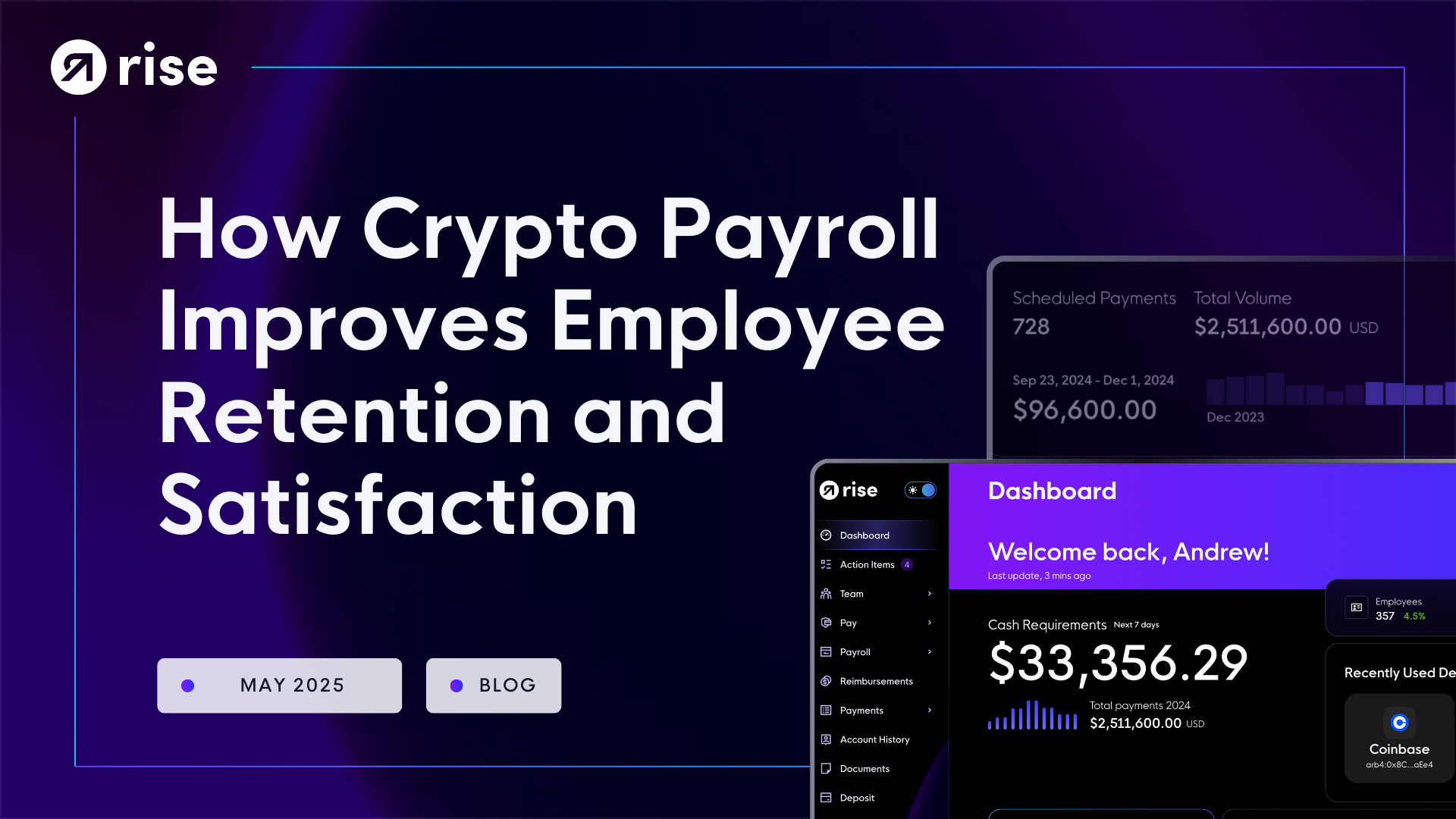
Compare the transaction fees and settlement times for USDC, USDT, or other supported stablecoins. While blockchain transactions are fast, some platforms hold funds in escrow or use batch processing, which can delay access. For teams that rely on immediate liquidity, choose a provider that offers real-time settlement with minimal spread between the crypto value and the fiat payout.
| Feature | Contractor-Focused | Employee-Focused |
|---|---|---|
| Primary Use Case | Freelance & Gig Work | Full-Time Staff |
| Tax Withholding | None (Worker Responsibility) | Automated (W-2/Local) |
| Global Reach | High (170+ Countries) | Medium (Bank-Dependent) |
| Integration | Direct Crypto Wallets | Payroll Software Sync |
The right platform acts as the bridge between your company’s treasury and your team’s bank accounts. Prioritize tools that reduce administrative overhead while ensuring your workers can actually spend what they earn.
Spotting Weak Options and Misleading Claims
Crypto payroll is a fragmented market in 2026, and not every platform delivers on its promises. Bitwage has paid workers across 170 countries since 2014, while newer entrants like Deel report contractor crypto capabilities. However, the market is crowded with vague claims about "instant" settlements that ignore banking rails' actual processing times.
Watch for platforms that promise zero tax liability. No tool eliminates federal or state obligations; they only automate reporting. If a vendor suggests stablecoin disbursements bypass tax laws, treat it as a red flag. The IRS treats crypto as property, meaning every disbursement is a taxable event regardless of the payout method.
Another common mistake is ignoring liquidity risks during volatile periods. Some platforms hold funds in mixed pools, exposing payroll to sudden value drops. Always verify if the platform uses segregated accounts and real-time stablecoin swaps to lock in values before disbursement. A weak option might save on fees but cost more in compliance headaches or employee dissatisfaction when payouts fail or fluctuate unexpectedly.
Crypto payroll 2026: what to check next
Workers and employers are navigating a fragmented market where stablecoins like USDC and USDT are becoming the standard for global compensation. The shift is driven by payroll teams racing to support distributed talent while traditional banking rails struggle with speed and cross-border friction. This transition is not just about technology; it is about redefining how value moves across borders in real time.
No comments yet. Be the first to share your thoughts!