
Why stablecoins drive crypto payroll 2026
The landscape of global compensation has shifted decisively. In 2026, stablecoin payroll is no longer a speculative experiment but a standard operational mechanism for cross-border teams. The primary driver is the elimination of currency volatility risk. Unlike Bitcoin or Ethereum, stablecoins maintain a peg to fiat currencies, providing the predictability required for salary structures while retaining the settlement speed of blockchain networks.
Adoption metrics confirm this transition from niche to mainstream. According to the 2026 Stablecoin Payroll Report by Rise, 39% of crypto users worldwide already receive compensation in stablecoins. This figure represents a significant inflection point, indicating that the infrastructure for stablecoin payroll has matured enough to support large-scale enterprise deployment.
The economic argument centers on speed and cost. Traditional cross-border transfers often involve intermediary banks, correspondent fees, and multi-day settlement windows. Stablecoin payroll enables near-instant settlement at a fraction of the cost. For global teams operating across multiple jurisdictions, this efficiency reduces administrative overhead and improves cash flow management. The $390 billion in real payments tracked in recent industry reports underscores the scale at which organizations are moving away from legacy banking rails.
Compliance and tax rules for global payments
Stablecoin payroll is not a regulatory free pass. In the United States, the IRS treats cryptocurrency as property, meaning every stablecoin disbursement triggers a taxable event for the employer and the recipient. This classification applies regardless of whether the asset is pegged 1:1 to the US dollar. For global teams, this creates a dual-layer compliance burden: navigating federal property tax rules while simultaneously adhering to local labor and withholding laws in each employee’s jurisdiction.
The complexity increases when dealing with contractors across borders. Many jurisdictions do not yet have clear frameworks for digital asset compensation, leading to ambiguous tax treatments for freelancers and independent contractors. Employers must determine if a stablecoin payment constitutes a reportable benefit, a salary substitution, or a separate service fee. Misclassification can result in significant penalties, back taxes, and legal exposure. It is essential to consult local counsel in every country where you have team members to ensure proper withholding and reporting.
Jurisdiction-specific risks vary widely. Some countries ban crypto payroll entirely, while others offer favorable tax incentives for digital asset transactions. For example, certain European nations have specific provisions for crypto income, whereas others treat them as standard foreign currency exchanges. The lack of harmonized global standards means that a compliant payroll strategy in one region may be non-compliant in another. Automated payroll platforms can help streamline calculations, but they do not replace the need for legal and tax expertise.
The trend in 2026 is toward greater regulatory scrutiny. Governments are increasingly focused on anti-money laundering (AML) and know-your-customer (KYC) compliance for digital asset transactions. Employers using stablecoins must ensure that their payroll providers have robust compliance infrastructure in place. This includes verifying the identity of all recipients and monitoring transactions for suspicious activity. Failure to comply with these requirements can lead to frozen assets, heavy fines, and reputational damage.
For multinational companies, the key is to build a flexible payroll architecture that can adapt to changing regulations. This may involve using different payment methods for different regions, such as fiat currency in jurisdictions with strict crypto bans, and stablecoins in those with favorable regulations. Regular audits and updates to compliance policies are necessary to stay ahead of regulatory changes. The cost of non-compliance far outweighs the benefits of using stablecoins for payroll.
Top platforms for stablecoin payroll automation
Selecting the right infrastructure requires balancing regulatory compliance, tax withholding capabilities, and the specific stablecoins supported by your workforce. The market for crypto payroll automation has consolidated around four primary providers: Eco, Rise, Deel, and Bitwage. Each offers distinct advantages depending on whether your priority is full Employer of Record (EOR) services, pure payroll distribution, or deep integration with existing HR systems.
Eco and Rise have emerged as the most robust solutions for companies seeking native stablecoin support with built-in compliance tools. Eco supports USDC and USDT, offering automated tax withholding and 1099 generation for US-based contractors. Rise provides similar capabilities with a focus on global reach, supporting payouts in over 190 countries. Both platforms prioritize regulatory adherence, making them suitable for high-stakes environments where audit trails are critical.
Deel and Bitwage serve different segments of the market. Deel is best known for its comprehensive EOR services, allowing companies to hire full-time employees globally while also supporting crypto payroll options. Bitwage focuses on salary splitting, enabling employees to receive a portion of their salary in stablecoins while the remainder is paid in fiat. This hybrid approach is ideal for teams that want to maintain traditional banking relationships while offering crypto benefits.
The following comparison highlights the core differences in stablecoin support, compliance features, and global coverage across these leading platforms.
| Platform | Stablecoin Support | Compliance & Tax | Global Coverage |
|---|---|---|---|
| Eco | USDC, USDT | Automated tax withholding, 1099 generation | Global |
| Rise | USDC, USDT | Tax reporting, audit trails | 190+ countries |
| Deel | USDC, USDT, DAI | EOR services, local labor law compliance | 150+ countries |
| Bitwage | USDC, USDT, DAI | Salary splitting, fiat on-ramp | Global |
USDC Integration and Market Liquidity
For global payroll operations, regulatory clarity and deep liquidity make USDC the preferred stablecoin. Unlike volatile cryptocurrencies, USDC is issued by Circle, a regulated financial institution that provides monthly attestation reports verifying that its reserves consist entirely of cash and short-dated U.S. Treasury securities. This structure offers a predictable compliance framework for employers and employees navigating tax obligations across borders.
Liquidity is the other critical factor. USDC maintains the deepest order books among stablecoins, ensuring that payroll disbursements execute with minimal slippage and near-zero deviation from the $1.00 peg. This stability is essential when calculating net pay and withholding taxes, as fluctuations can complicate accounting and trigger unnecessary capital gains events for recipients.
To verify current market conditions, the following live chart and price widget demonstrate USDC's stability against the U.S. dollar.

The dominance of USDC in this sector is reflected in industry standards. Eco, a leading crypto payroll infrastructure provider, identifies USDC support as a minimum requirement for any viable payroll platform in 2026, often recommending it alongside USDT for broader reach. This consensus underscores USDC's role as the foundational settlement layer for compliant, automated global compensation.
While other stablecoins exist, the combination of Circle's regulatory transparency and USDC's market depth reduces operational risk. For organizations prioritizing auditability and employee trust, integrating USDC into payroll workflows provides a stable, legally defensible alternative to traditional fiat-only systems.
Steps to launch your first crypto payroll run
Transitioning to stablecoin payroll requires a structured approach to mitigate compliance risks and ensure accurate tax reporting. The following workflow aligns with best practices from regulatory-focused providers like Rise and Eco, ensuring your first run is both legally sound and operationally efficient.

Choose a platform that integrates directly with your existing HRIS and supports stablecoin payouts (USDC, USDT, or DAI). Prioritize providers that offer built-in tax withholding and automated 1099-NEC generation, as these features are critical for meeting IRS requirements for digital asset compensation.
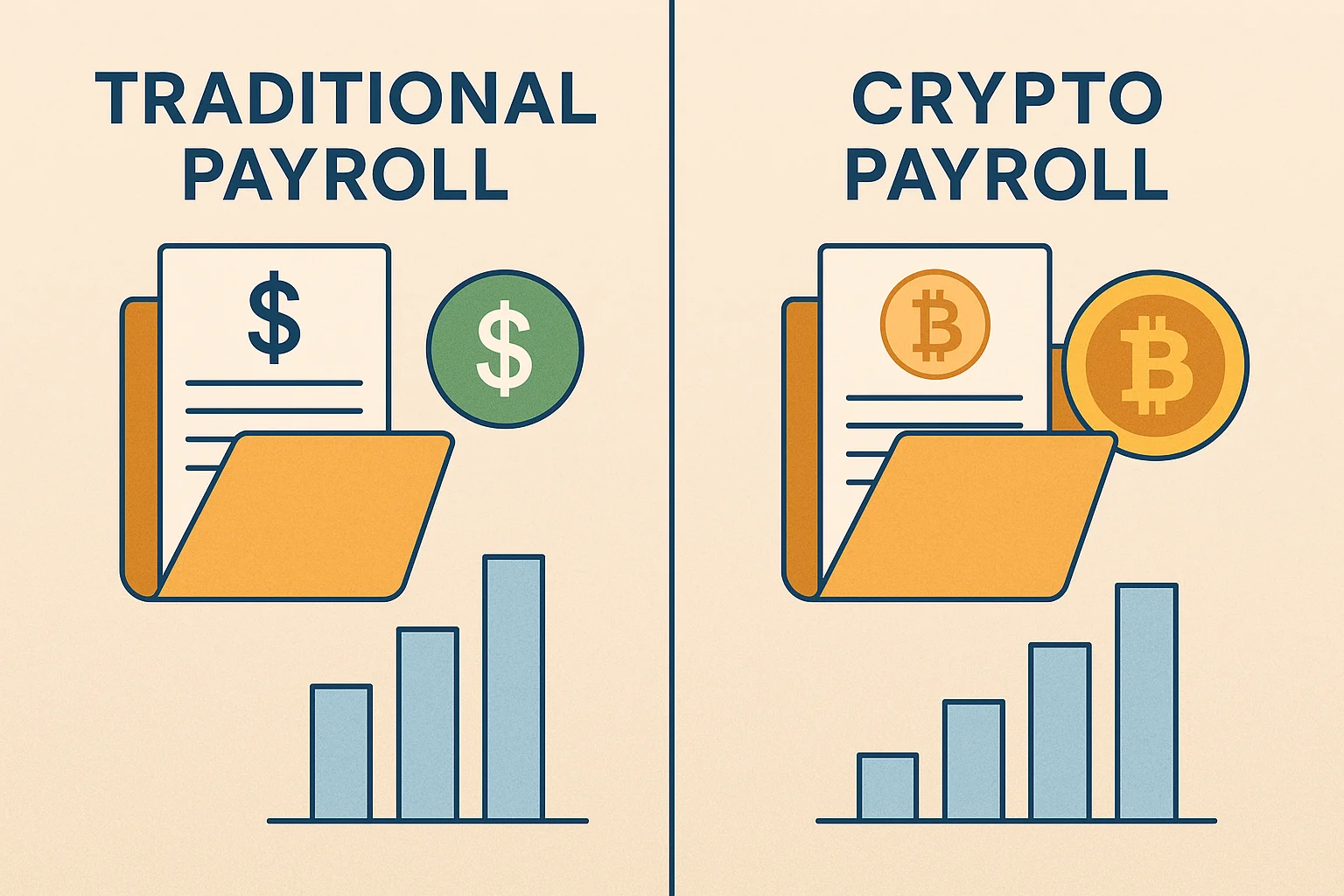
Collect verified wallet addresses from each employee. Implement KYC (Know Your Customer) checks where required by your jurisdiction to prevent fraud. Ensure employees understand how to receive stablecoins and securely store their private keys, as lost credentials cannot be recovered by the payroll provider.

Set up tax withholding rules within the payroll platform. Stablecoin payments are treated as property by the IRS; therefore, fair market value at the time of payment must be recorded for tax purposes. Configure the system to generate transaction reports that map directly to your accounting software.
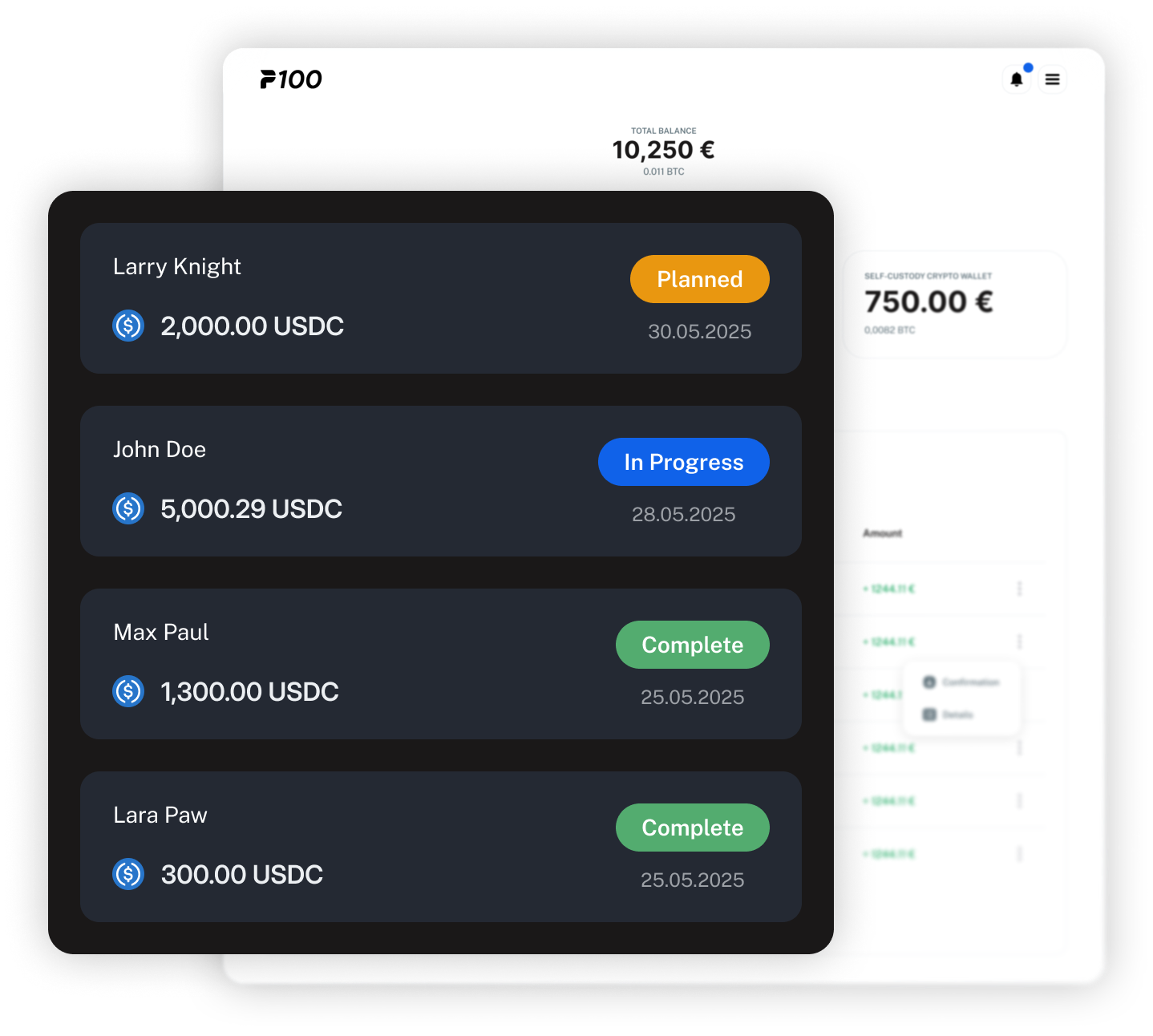
Before processing full payroll, send a minimal test amount to one or two employee wallets. Verify that the transaction confirms on-chain and that the employee receives the funds in their wallet. This step validates your network selection (e.g., Ethereum, Solana, or Layer 2) and fee structures.

Approve and execute the payroll batch. Monitor the transaction hashes to confirm successful settlement. Immediately distribute the payroll reports to your finance team for reconciliation and to employees for their personal records. Archive all transaction data for potential audit trails.
No comments yet. Be the first to share your thoughts!