
The 2026 regulatory shift for crypto payroll
The era of voluntary crypto payroll adoption is ending. As of April 1, 2026, the regulatory landscape has shifted from a gray area of ambiguity to a strict compliance environment. This change is not merely advisory; it is enforced through new reporting mandates and financial penalties that directly impact both employers and payroll platforms.
The primary driver of this shift is the integration of cryptocurrency into traditional tax frameworks. Governments are no longer treating digital asset transactions as isolated events. Instead, they are requiring real-time or near-real-time reporting of payroll-related transfers. This means that every salary paid in stablecoins or other digital assets must be traceable, reportable, and subject to standard withholding rules.
For businesses, this creates a dual responsibility. You must ensure that your payroll provider is compliant with these new reporting standards. If your platform fails to report, you may face secondary scrutiny. The cost of non-compliance extends beyond fines; it includes potential legal liability and reputational damage. As the market matures, the distinction between "crypto" and "traditional" payroll is disappearing, replaced by a unified framework of financial accountability.
The chart above reflects the market sentiment surrounding crypto-native public companies, which are often at the forefront of regulatory adaptation. As compliance costs rise, smaller platforms may exit the market, consolidating the industry around providers who can navigate these complex legal requirements. For now, the focus must be on preparation: auditing your current payroll processes, verifying your provider's reporting capabilities, and understanding the specific tax implications in your jurisdiction.
Stablecoin payroll vs. volatile assets
By 2026, stablecoins like USDC and USDT have become the standard for crypto payroll, displacing Bitcoin despite its popularity as a general cryptocurrency. The shift is driven by the need for tax clarity and employee acceptance. Volatile assets introduce unacceptable risk into wage structures, where predictable income is a legal and practical necessity.
Stablecoins maintain a peg to fiat currencies, eliminating the daily valuation swings that complicate payroll processing. This stability simplifies compliance with income tax regulations, which typically require wages to be reported in local currency at the time of payment. Using volatile assets creates a dual-transaction burden: calculating the fiat value at payment and then tracking capital gains or losses when the employee sells the asset.
Employee acceptance also favors stablecoins. Workers expect their wages to retain purchasing power between pay periods. Bitcoin’s volatility can erode real income value overnight, creating financial instability for households. Stablecoins offer the efficiency of blockchain settlement without the speculative risk, making them the only viable option for regular salary disbursements.
Top crypto payroll platforms compared
Selecting a payroll provider requires more than checking supported tokens; it demands a platform that aligns with your specific compliance footprint. The market has consolidated around four primary contenders—Eco, Deel, Bitwage, and Gloroots—each handling the intersection of crypto liquidity and local labor law differently.
The following comparison isolates the structural differences that determine operational risk. Stablecoin support is the baseline, but EOR (Employer of Record) capabilities and global coverage determine whether you can actually deploy in a new jurisdiction without legal exposure.
| Platform | Stablecoin Support | EOR Capabilities | Global Coverage |
|---|---|---|---|
| Eco | USDC, USDT, DAI, ETH, BTC | No (P2P only) | 150+ countries |
| Deel | USDC, USDT | Yes (Full EOR) | 100+ countries |
| Bitwage | USDC, USDT, BTC, ETH | No (Payouts only) | 180+ countries |
| Gloroots | USDC, USDT | Yes (Full EOR) | 180+ countries |
Eco operates primarily as a peer-to-peer liquidity layer. It supports a wide array of assets including ETH and BTC, but lacks built-in EOR services, meaning you must handle local entity compliance independently.
Deel and Gloroots are the heavyweights for regulated expansion. Both offer full EOR services, effectively becoming the legal employer in local jurisdictions while facilitating crypto payouts. This structure significantly reduces the risk of misclassification lawsuits but adds a layer of administrative overhead.
Bitwage sits in the middle, focusing on payout infrastructure for existing entities. It supports a broad range of stablecoins and fiat conversions but does not provide the legal entity wrapper that Deel and Gloroots offer.
Global tax compliance requirements
Crypto payroll introduces distinct tax obligations that vary significantly by jurisdiction. Employers must navigate withholding rules, reporting standards, and classification tests for both themselves and their workforce. Failure to align with local regulations in 2026 carries severe financial and legal penalties.
United States: W-2 Classification and Withholding
In the US, the IRS generally treats crypto payments as property. For W-2 employees, crypto wages are subject to standard income tax withholding and FICA contributions. Employers must report these payments on Form W-2 using the fair market value in USD at the time of payment. Independent contractors receive Form 1099-NEC, and the employer is not responsible for withholding, though the contractor must pay self-employment taxes. Platforms facilitating these payments must ensure accurate reporting to the IRS to avoid penalties under the new information reporting rules.
European Union: DAC8 and Real-Time Reporting
The EU is tightening compliance through the DAC8 directive, which brings crypto-asset service providers (CASPs) under the same reporting obligations as financial intermediaries. Starting in 2026, platforms must report user transaction data to national tax authorities, which then exchange this information across borders. Employers in the EU must ensure their payroll providers are DAC8-compliant. This shift means that crypto payroll transactions are no longer opaque; tax authorities will receive detailed records of payments, requiring employers to reconcile these with local payroll tax filings accurately.
India: TDS and Platform Penalties
India has implemented some of the strictest crypto tax rules globally. Employers must deduct Tax at Source (TDS) at 30% on crypto payments, plus a 1% TDS on transfers under Section 194S. For 2026, the Finance Bill proposes that crypto exchanges and platforms must share user transaction statements with the income tax department from April 1. Failure to submit these statements results in a fine of Rs 200 per day. Employers using crypto payroll must ensure their platforms are compliant with these new reporting mandates to avoid cascading penalties for both the platform and the hiring entity.
Market trends and adoption data
The shift toward crypto payroll is no longer speculative; it is a measurable operational choice. Recent data indicates that 32% of employees would opt in if their employer began offering crypto payroll tomorrow, with 11% willing to accept a 1–5% pay cut for the privilege (Oobit, 2026). This willingness signals a maturing market where liquidity and speed outweigh traditional fiat convenience for a significant minority of the workforce.
The broader adoption landscape reinforces this trend. Reports from early 2026 show that 12 million more Americans became crypto holders, expanding the pool of potential recipients who are already familiar with wallet management and transaction verification. This growing familiarity reduces the friction of onboarding and supports the viability of crypto payroll as a standard compensation option.
To contextualize the volatility risk inherent in these transactions, the following chart illustrates recent market movements. While crypto payroll platforms often offer instant fiat conversion to mitigate risk, understanding the underlying asset's behavior is essential for compliance and treasury management.

Launching Crypto Payroll for Remote Teams
Deploying crypto payroll requires strict adherence to jurisdictional regulations and tax withholding rules. The following steps outline the compliance workflow to ensure your remote team is paid legally and securely.
Before selecting a provider, confirm local labor laws and tax obligations for each employee's location. Regulations vary significantly; some regions require specific licensing for crypto payments. Consult official government sources or legal counsel to avoid penalties.
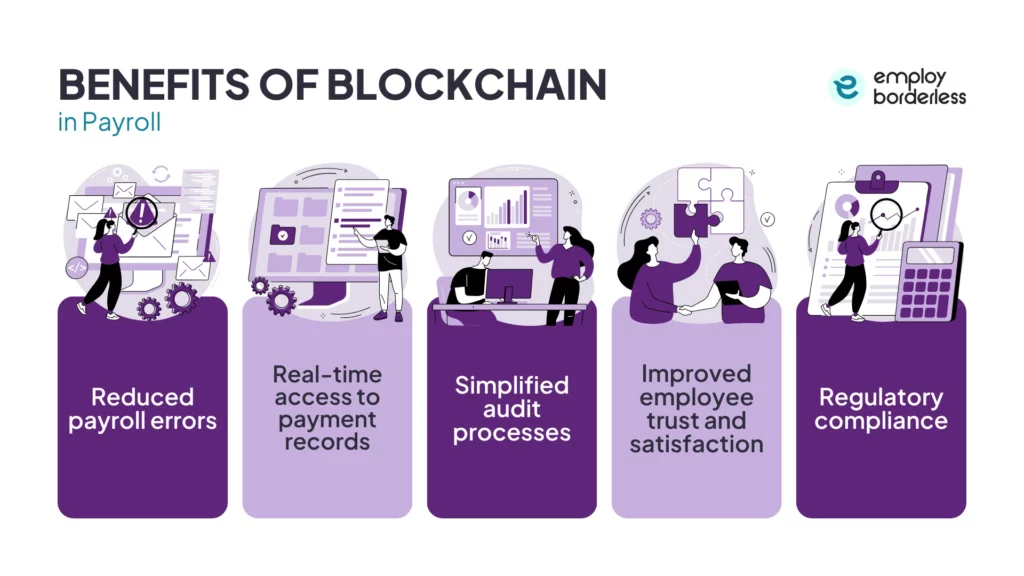
Select a payroll provider that supports your target jurisdictions and offers automated tax reporting. Ensure the platform integrates with your existing HR systems and supports the stablecoins or cryptocurrencies your team prefers. Review the provider's security audits and compliance history.
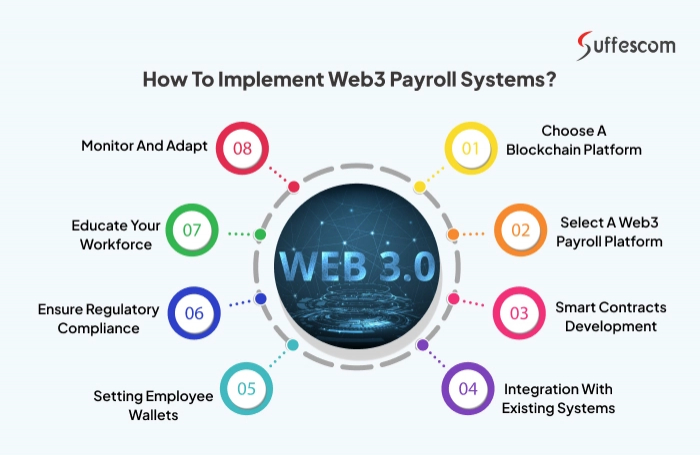
Verify the wallet addresses for all employees before the first payout. Use a secure, multi-signature wallet for company funds to prevent unauthorized transactions. Ensure each employee has a compatible wallet that supports the chosen payment method.

Set up automated tax withholding to comply with local regulations. This includes income tax, social security, and other mandatory deductions. Ensure the platform can generate the necessary tax forms for both the employer and the employee.

Run a small test transaction to verify that the entire process works correctly. Check that the funds arrive in the employee's wallet, that tax withholding is calculated correctly, and that the transaction is recorded properly in your accounting system.
No comments yet. Be the first to share your thoughts!