


In the grand sweep of economic history, from the silver flows of the Spanish Main to the gold standard’s rigid embrace, borderless value transfer has tantalized traders and treasurers alike. Today, as remote teams span continents, USDC payroll emerges as the modern equivalent: a stablecoin pegged to the dollar, slicing through the archaic rails of traditional banking with blockchain precision. Businesses now wield USDC to deliver instant global salaries, sidestepping forex volatility and wire delays that once choked cash flows like medieval toll roads.
This shift mirrors commodity cycles where stability breeds adoption. Multichain Bridged USDC on Fantom hovers at $0.0210, down a mere -0.000340% in the last 24 hours, with a high of $0.0215 and low of $0.0200. Yet the core USDC on Ethereum and beyond maintains its dollar parity, fueling cross-border payroll USDC solutions that platforms like Rise, Remote, and Bitwage are pioneering.
The Hidden Costs of Legacy Payroll Systems Exposed
Picture a startup with developers in Lisbon, marketers in Manila, and engineers in Bogotá. Traditional wires devour 5-7% in fees, take 3-5 days, and expose salaries to currency swings. In 2026, as stablecoin salaries for remote teams gain traction, companies report slashing costs by 80% via USDC. Riseworks notes firms bypassing slow rails for faster earnings access, while Deel’s crypto payroll meets employee demands for control over conversions.
Strategically, this is no fad but a macro pivot. Just as oil majors hedged futures in the 1970s energy crisis, forward-thinking HR leads now hedge against FX risk with USDC’s 1: 1 backing. Circle’s integration with Rise allows fiat or stablecoin funding, blending old world reliability with new world speed.
Startups with international teams can use USDC to pay employees without worrying about currency conversions.
OneSafe highlights this for nimble ventures, where every dollar saved compounds into runway extension.
Comparison of Leading USDC Payroll Platforms
| Platform | Key Features | Network/Blockchain | Countries Supported | Fees & Settlement |
|---|---|---|---|---|
| Rise 🚀 | Instant payouts 💨🌍, compliance & tax management, borderless payments, dual fiat/USDC funding | USDC/USDT (Multi-chain via Circle) | Global (100+ 🌍) | Near-zero 💰, minutes 💨 |
| Remote 🏠 | Compliant stablecoin payouts, secure & flexible for contractors | Base | 69+ 🌍 | Low fees 💰, near-instant 💨 |
| Bitwage ⚡ | Same-day deposits 💨, low costs 💰, store earnings in USD, borderless | Stellar | Global 🌍 | Low fees 💰, same-day 💨 |
| Speed 🏎️ | Instant borderless payments 💨🌍, cost-effective crypto rails, global payroll | Crypto Rails (Multi) | Global 🌍 | Cost-effective 💰, instant 💨 |
| Acctual 🧾 | Global crypto salaries, tax management & compliance, stablecoin payroll | Stablecoin networks | Global 🌍 | Simplified low fees 💰, fast settlement 💨 |
| Lano.io 🌏 | Faster payments 💨, employee flexibility, tax & compliance for crypto payroll | Crypto/Stablecoins | Remote teams 🌍 | Low cost 💰, quick 💨 |
| Request Finance 💳 | Stablecoin solution for remote teams, speed & stability benefits 🌍 | Blockchain (USDC) | Global 🌍 | Efficient fees 💰, fast settlement 💨 |
- Instant settlement vs. days-long wires
- Near-zero fees erode profit margins less
- 24/7 availability ignores banking hours
- Transparency via blockchain audit trails
RebelFi’s 2025 guide pits stablecoins against Deel and Wise, crowning USDC for U. S. firms paying abroad.
USDC Price Prediction 2027-2032
Stability Forecast Emphasizing Peg Maintenance for Reliable Cross-Border Payroll
| Year | Minimum Price (USD) | Average Price (USD) | Maximum Price (USD) | Max Deviation from Peg (%) |
|---|---|---|---|---|
| 2027 | $0.990 | $1.000 | $1.010 | ±1.0 |
| 2028 | $0.995 | $1.000 | $1.005 | ±0.5 |
| 2029 | $0.997 | $1.000 | $1.004 | ±0.3 |
| 2030 | $0.998 | $1.000 | $1.003 | ±0.2 |
| 2031 | $0.999 | $1.000 | $1.002 | ±0.1 |
| 2032 | $0.999 | $1.000 | $1.001 | ±0.1 |
Price Prediction Summary
USDC is projected to robustly maintain its $1.00 USD peg through 2032, with narrowing deviation ranges reflecting enhanced adoption in payroll platforms like Rise, Remote, and Bitwage, regulatory advancements, and technological resilience against market cycles. Minor fluctuations account for bearish depeg risks (e.g., liquidity crunches) and bullish premiums from high demand, ensuring reliability for global salaries.
Key Factors Affecting USD Coin Price
- Growing stablecoin payroll adoption (Rise, Remote, Stripe, Bitwage) driving demand and liquidity
- Regulatory clarity and compliance strengthening peg trust amid global expansion
- Technological upgrades in Circle’s infrastructure and multi-chain support reducing depeg risks
- Competition from USDT/USDe but USDC’s audited reserves and transparency advantage
- Market cycles: Tight peg in bull markets, brief sub-$0.99 dips in bears with rapid recovery
Disclaimer: Cryptocurrency price predictions are speculative and based on current market analysis.
Actual prices may vary significantly due to market volatility, regulatory changes, and other factors.
Always do your own research before making investment decisions.
Strategic Advantages Shaping 2026 Adoption Curves
Delve into the cycle: employee demand surges as crypto-native talent expects USDC international payments. Riseworks lists top benefits – instant cross-border, reduced fees, currency stability – projecting mass adoption. Employers gain talent magnetism; a Deel survey shows crypto options sway 40% of remote hires.
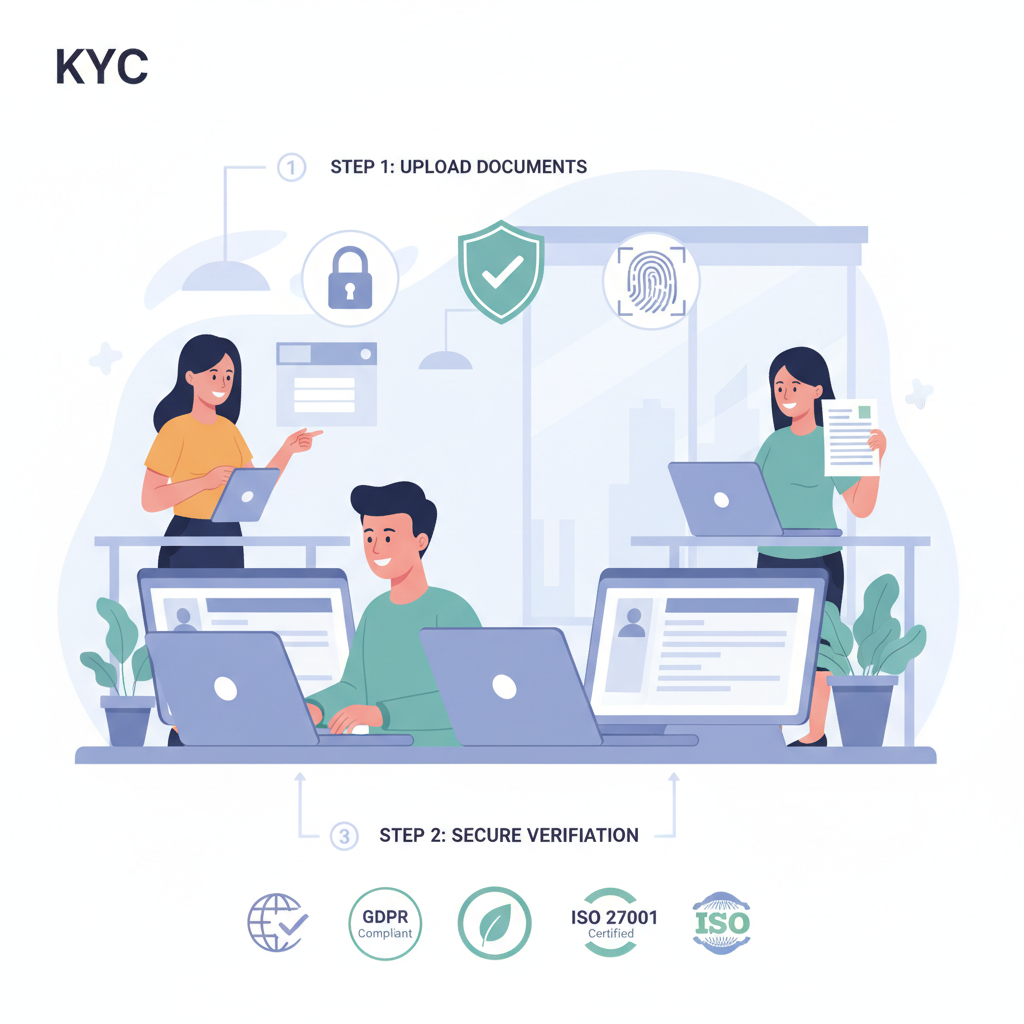
Compliance looms large, yet platforms embed KYC and tax reporting. Circle’s infrastructure ensures regulatory alignment, much like how commodity exchanges standardized futures contracts post-1929. For digital nomads and tech firms, this unlocks true globality: pay a contractor in Vietnam from Silicon Valley without intermediaries skimming value.
History whispers opportunity in such inflection points. As Bretton Woods crumbled under gold convertibility strains, fiat floats ensued. Now, USDC floats above legacy friction, poised to redefine payroll economics. Forward scouts like Cross-Border Payroll integrate these rails, streamlining for startups and scale-ups alike. Check our streamline guide for setup insights.
Platforms like Rise exemplify this evolution, enabling companies to fund payroll with USDC across diverse products, mirroring how commodity pools once lubricated industrial expansion. Their dual funding – fiat or stablecoin – accommodates transitional strategies, much like hedging grains during harvest volatility.
Real-World Tactics from Frontier Adopters
Remote’s partnership with Stripe launches USDC payouts on Base for contractors in 69 countries, delivering near-instant compliance without the drag of legacy systems. Bitwage harnesses Stellar for same-day USDC deposits at lower costs, empowering workers to hold USD equivalents amid global flux. Speed streamlines crypto rails for borderless contractor payments, while Acctual and Lano. io tackle tax intricacies in crypto payroll setups.
These moves echo 19th-century rail barons consolidating routes for efficiency; today, blockchain consolidates payroll into a single, auditable ledger. Cross-Border Payroll draws from such precedents, offering crypto payroll global contractors with embedded compliance, positioning firms to attract top talent in competitive markets.
Top 5 USDC Payroll Benefits
-

Instant Cross-Border Payments: Platforms like Remote with Stripe enable near-instant USDC salaries to contractors in 69 countries, eliminating weeks of banking delays.
-

Drastically Reduced Fees: Bypass FX costs and slow rails with Rise‘s USDC payroll, slashing transaction expenses for global teams.
-
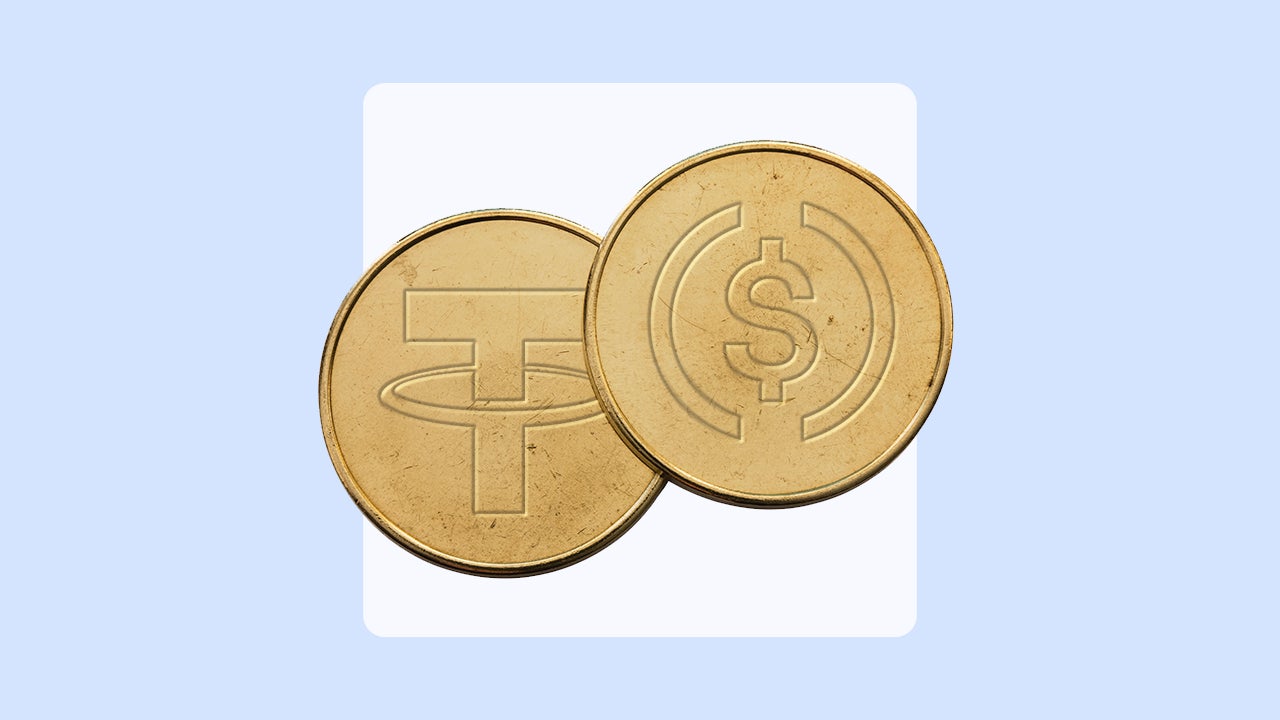
Currency Stability: USDC’s 1:1 USD peg, as used by Bitwage on Stellar, shields remote workers from volatility and conversion risks.
-

Employee Flexibility: Workers gain control to hold, convert, or spend USDC instantly, meeting demands highlighted by Deel and Riseworks.
-

Compliant Global Scalability: Seamless integration via Circle and Speed ensures regulatory adherence while scaling payroll borderlessly.
Execution Blueprint: Deploying USDC Payroll
Strategic deployment demands precision, akin to timing commodity futures entries. Firms begin by assessing team geographies, then selecting platforms attuned to local regs. Integration follows, with wallets provisioned and funding rails tested for seamlessness.
Unlocking Instant Global Payroll: 5 Strategic Steps with USDC
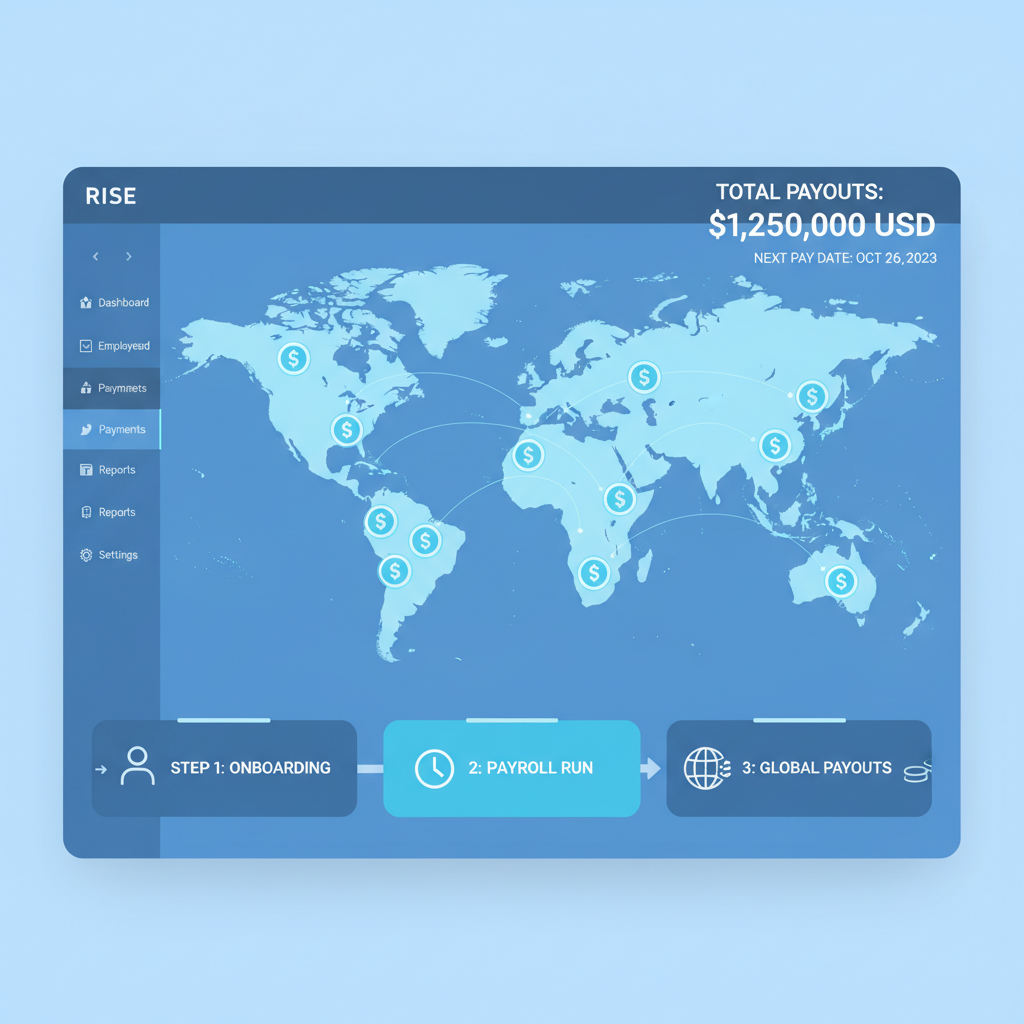
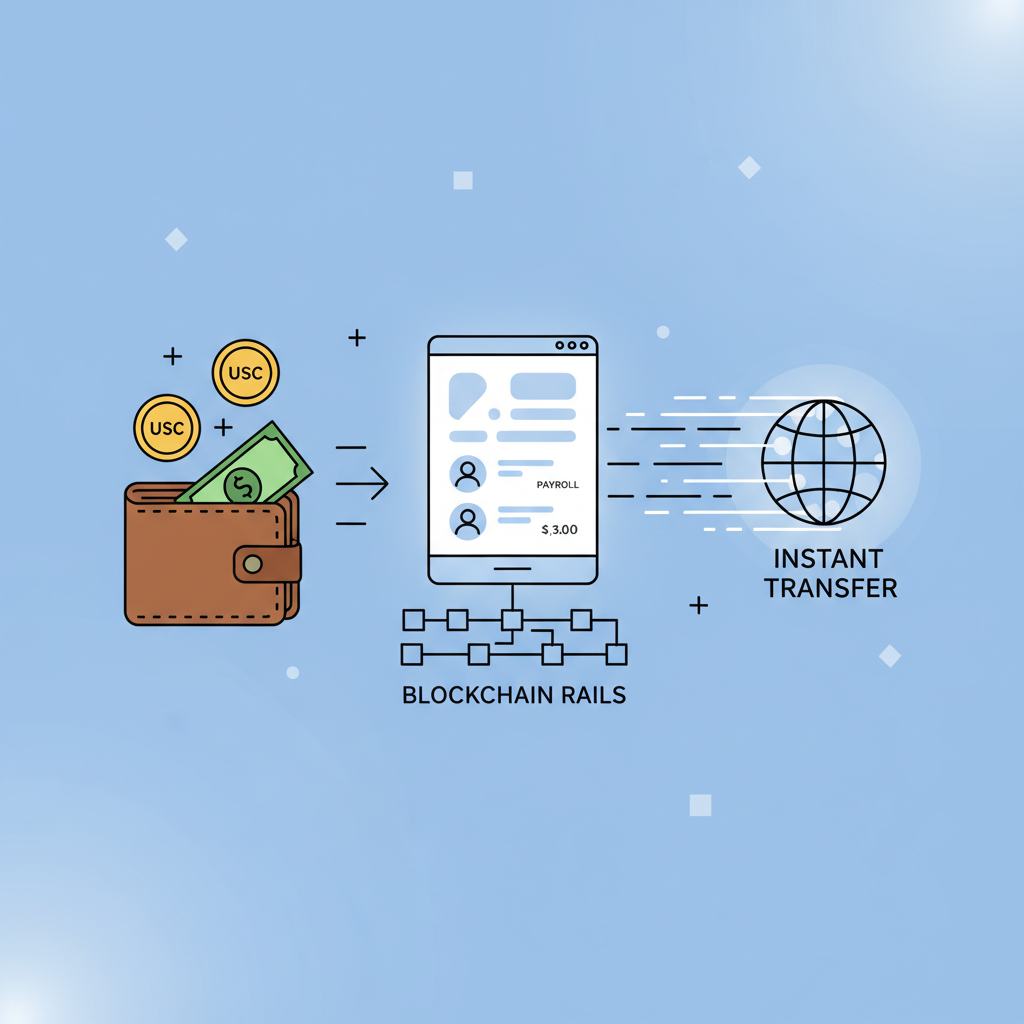
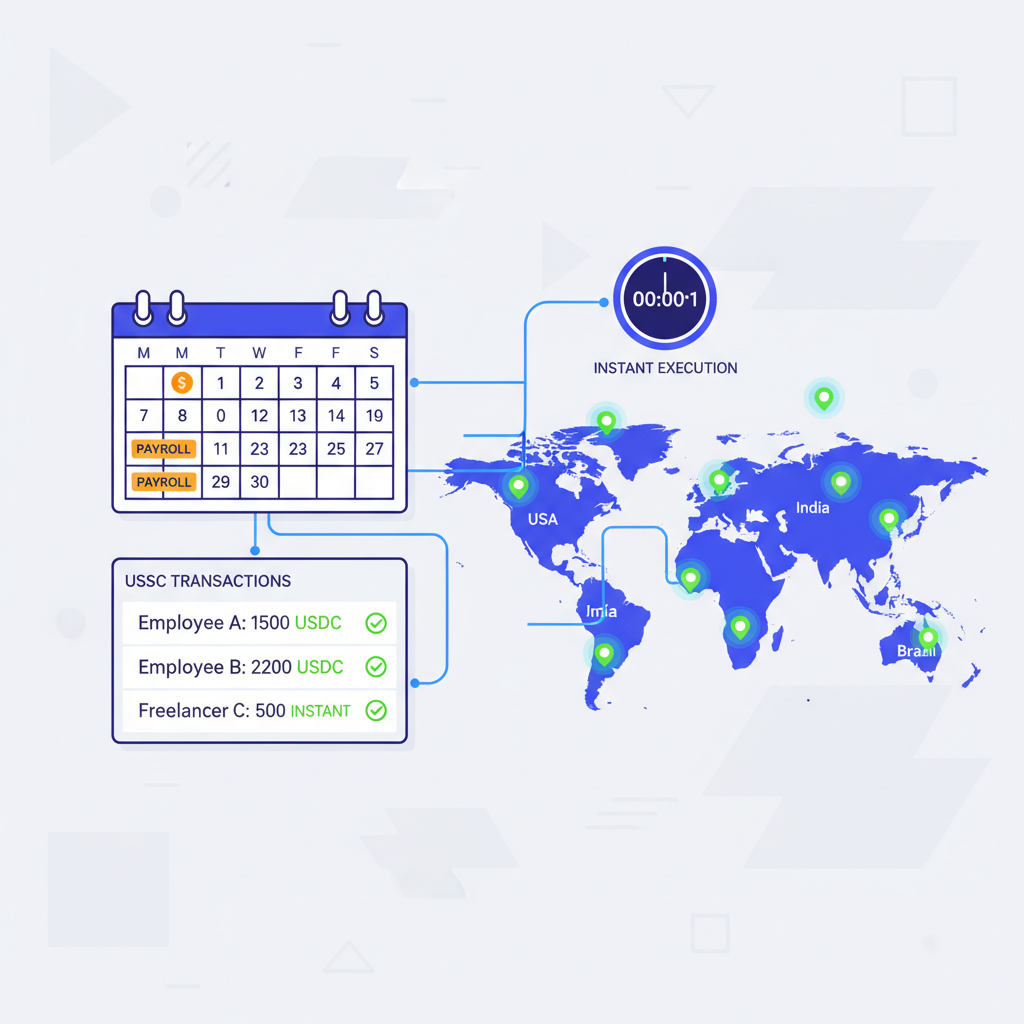
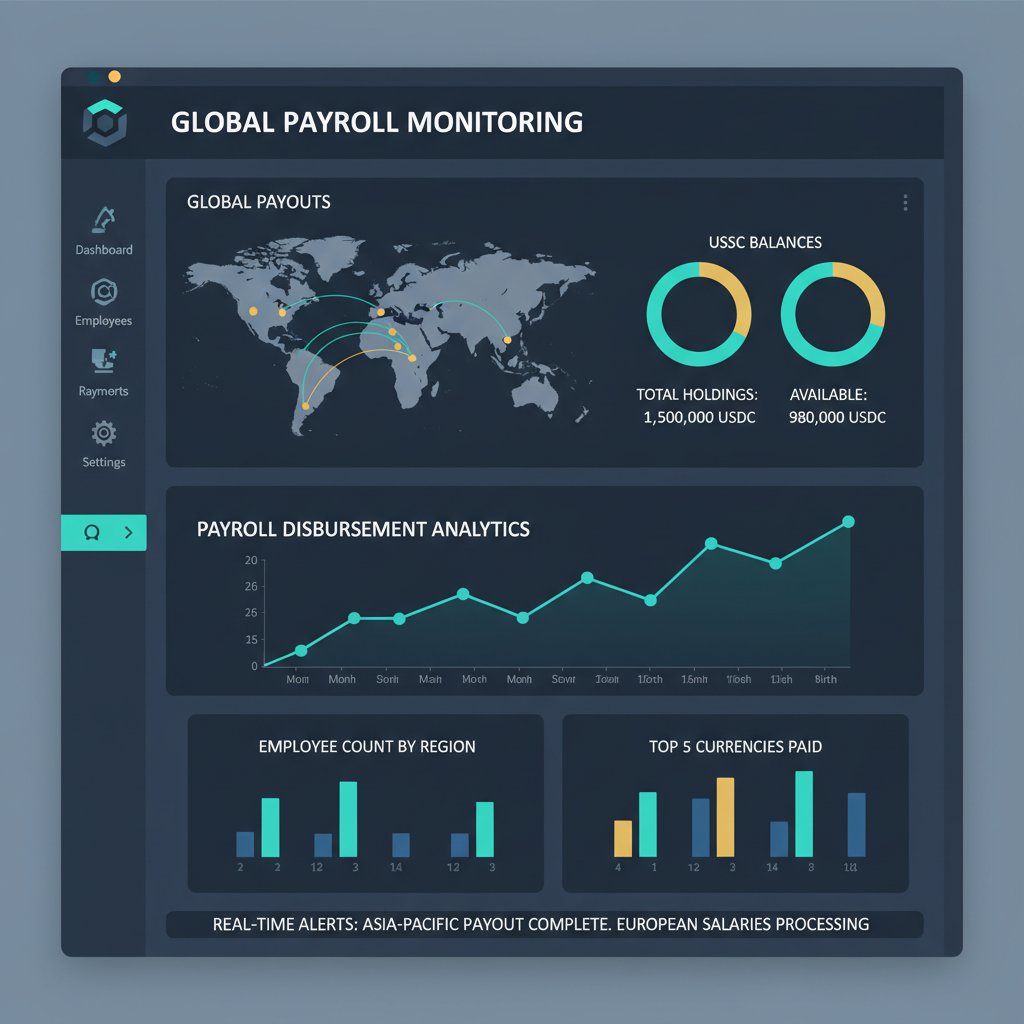
Request Finance and tryspeed. com underscore stablecoins’ edge for remote challenges, from FX evasion to instant access. For startups eyeing expansion, explore our step-by-step USDC payroll guide, distilling years of macro pattern recognition into actionable steps.
Employees relish the autonomy: convert USDC to local fiat, hold for yield, or diversify – choices traditional pay stubs deny. Lano. io notes this flexibility sways hires, while OneSafe spotlights startups ditching conversions altogether.
Yet foresight tempers enthusiasm. Volatility in bridged variants – Multichain USDC on Fantom at $0.0210, with 24h high $0.0215 and low $0.0200 – underscores sticking to core, pegged USDC for payroll sanctity. Platforms mitigate this via custodians and reserves, ensuring dollar fidelity.
Looking to 2026 horizons, adoption curves steepen as regs mature. Riseworks forecasts instant payments as table stakes, with stablecoin payroll eclipsing wires like steamships supplanted sail. Businesses mastering cross-border payroll USDC now command the cycle’s upswing, drawing parallels to OPEC’s 1970s leverage or dot-com infrastructure bets.
Cross-Border Payroll stands ready, fusing historical acumen with blockchain rails for your global ascent. Integrate today, and transform payroll from cost center to competitive moat.
About the Author