

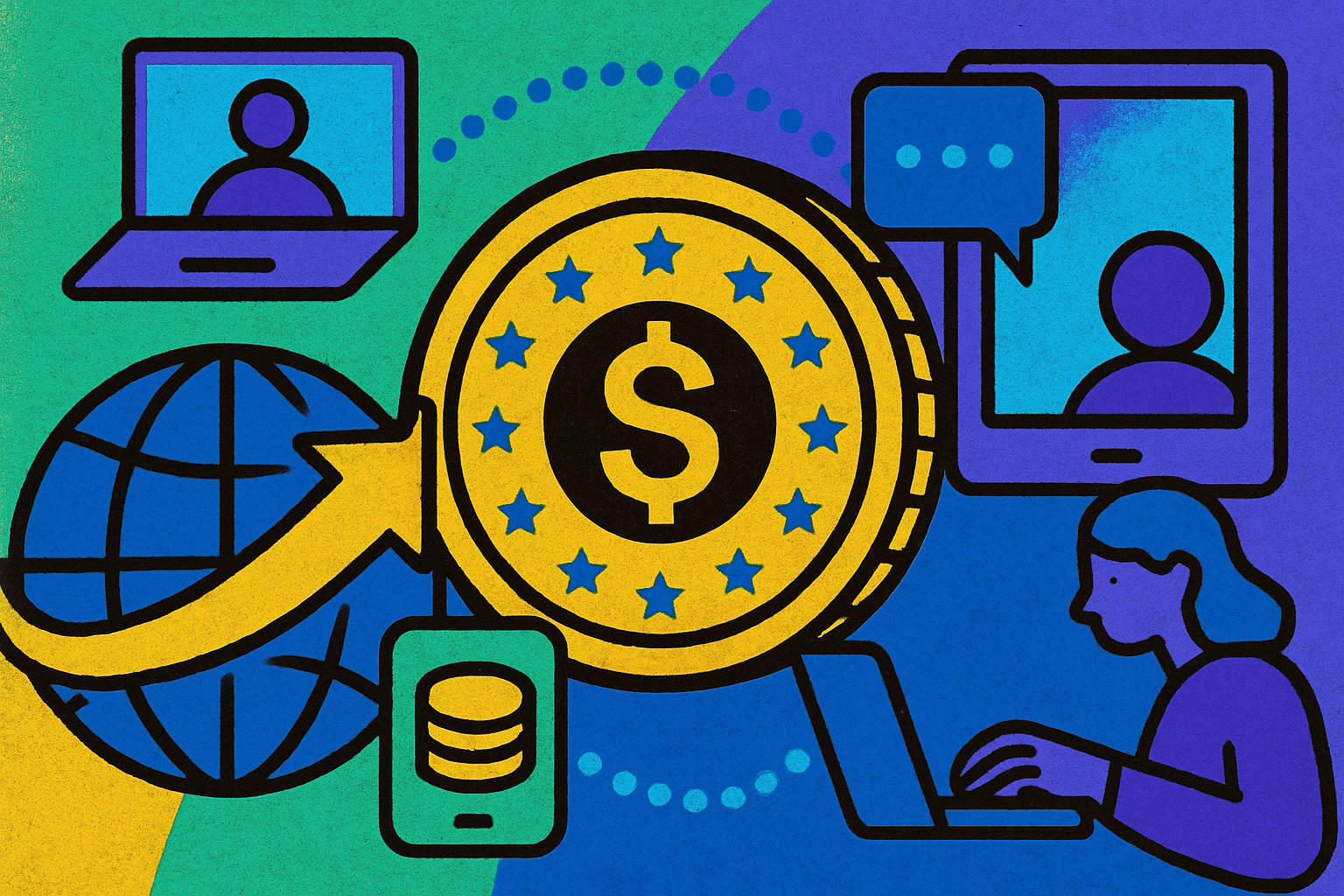
In 2025, the way businesses pay their remote teams is undergoing a seismic shift. USDC payroll has moved from a niche experiment to a mainstream solution, reshaping how global companies compensate talent across borders. As regulatory clarity improves and the demand for speed, transparency, and cost-efficiency grows, stablecoin salaries are emerging as the new gold standard for distributed workforces.

Why Stablecoin Salaries Are Gaining Traction Worldwide
The rise of stablecoin salary for remote teams is no accident. Traditional cross-border payroll is notorious for slow settlements, high fees, and unpredictable currency swings. In contrast, USDC – a fully-backed digital dollar stablecoin – delivers near-instant payments with minimal friction. According to recent data, platforms like Remote and Rise have processed hundreds of millions in stablecoin payrolls this year alone, with over half of contractors opting to receive earnings in USDC.
This surge is driven by four critical advantages:
- Speed: Payments settle within seconds rather than days
- Cost Savings: No more expensive wire fees or hidden conversion costs
- Transparency: Every transaction is recorded on-chain for auditability and compliance
- Flexibility: Recipients can hold, convert, or spend USDC as they see fit
This flexibility is especially valuable in regions facing currency instability or strict capital controls. For many remote workers, being paid in USDC means financial autonomy and a reliable store of value.
The Compliance Imperative: Navigating Crypto Payroll Regulations in 2025
No discussion of global payroll with cryptocurrency would be complete without addressing compliance – now front and center for employers worldwide. In 2025, new payroll regulations are redefining what it means to pay remote teams compliantly. Governments are sharpening their focus on crypto taxation, reporting requirements (such as Form W-2 disclosure for digital asset wages), and cross-border employment laws.
The good news? Leading crypto payroll providers have responded by building robust compliance tools directly into their platforms. For example, Rise’s partnership with Circle ensures every transaction comes with an immutable audit trail – a practical necessity for both regulatory reporting and internal audits. Meanwhile, Remote’s integration with Stripe automates contractor onboarding and KYC checks across 69 countries.
If you’re considering paying remote workers in USDC this year, it’s crucial to understand your responsibilities around tax withholding, local labor laws, and anti-money laundering (AML) protocols. For an actionable guide on this topic, see our step-by-step resource: how to pay remote employees with USDC.
Pioneers Leading the Shift: How Remote Teams Are Embracing Crypto Payroll
The transformation isn’t just theoretical – it’s happening right now at scale. Companies like Rise have processed over $650 million in payroll via stablecoins by mid-2025 alone. More than half of their global contractors now choose to receive some or all of their salary in USDC instead of local fiat currencies.
This trend isn’t limited to startups or tech unicorns; established enterprises are also jumping aboard as they realize the operational efficiency gains from blockchain-powered payroll rails. The result? Faster onboarding of international talent pools and improved employee satisfaction thanks to real-time access to earnings.
If you’re curious about how these solutions compare or want deeper insights into best practices for adoption, you may find our analysis helpful: How USDC Payroll Streamlines Cross-Border Payments for Remote Teams.
Beyond speed and convenience, crypto payroll compliance is a decisive factor driving mainstream adoption. The IRS and tax authorities worldwide now require digital asset wages to be reported transparently, and leading payroll platforms are integrating automated reporting to simplify employer obligations. For example, contractors paid in USDC receive detailed breakdowns of every transaction, while employers can export on-chain records for tax filing or regulatory audits with a few clicks. This level of transparency not only meets evolving legal standards but also builds trust between companies and their global teams.
Still, regulatory complexity varies by jurisdiction. Some countries have embraced stablecoin payrolls with clear guidance, while others continue to refine their approach. Employers must stay informed about local withholding rules, employment status classifications, and AML requirements as they evolve through 2025. Fortunately, the best crypto payroll solutions offer built-in compliance dashboards that update in real time as laws change – reducing the risk of costly errors or penalties.
Empowering Remote Workers: Financial Freedom and Flexibility
The impact of paying remote workers in USDC extends far beyond operational efficiency for employers. For digital nomads and freelancers in emerging markets, stablecoin salaries unlock unprecedented financial flexibility. Instead of waiting days for international wires to clear or losing value to volatile local currencies, workers gain instant access to a globally recognized digital dollar – often at lower cost than traditional remittance options.
This empowerment is especially pronounced in regions facing inflation or capital controls. USDC acts as both a reliable store of value and a gateway to decentralized finance (DeFi) tools: recipients can hold their earnings securely, convert them into local fiat when needed, or even invest directly from their wallets. As more platforms integrate with DeFi savings products and payment rails, the practical benefits for remote talent will only grow.
The Future of Global Payroll: What Comes Next?
The trajectory is clear: stablecoin salary for remote teams is poised to become the default option for forward-thinking organizations by late 2025. As regulatory frameworks mature and user experience continues to improve, we’re likely to see even broader adoption among enterprises seeking competitive advantages in talent acquisition and retention.
For leaders considering the shift to global payroll with cryptocurrency, now is the time to act decisively. Evaluate providers that prioritize compliance automation, robust security protocols, and seamless integration with your HR stack. Engage your workforce early – many remote employees already favor stablecoin payouts when given the choice.
If you’re ready to explore this future-proof approach further or need guidance on implementation strategies tailored to your business model, our deep-dive guides such as How To Pay Remote Teams In USDC: A Step-by-Step Guide For Global Payroll In 2025 offer actionable insights.
The bottom line? With the right partners and processes in place, USDC payroll transforms cross-border payments from a pain point into a strategic advantage – fueling growth for businesses while empowering talent worldwide.
About the Author