
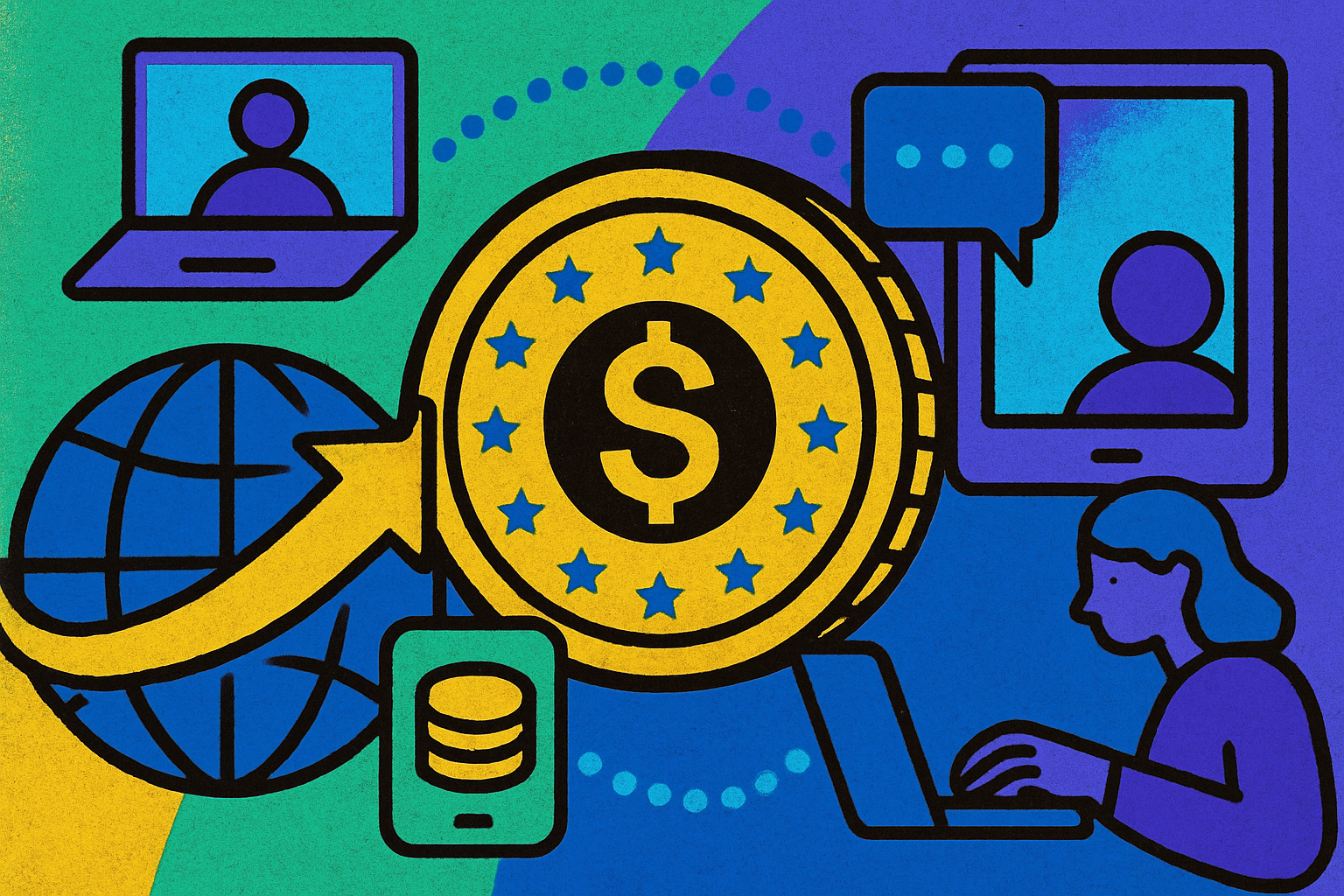
For global tech firms and startups seeking to pay remote developers in Latin America, the landscape has shifted dramatically with the rise of USDC payroll solutions. USD Coin (USDC), a stablecoin pegged 1: 1 to the US dollar, is transforming how companies manage cross-border payroll, offering speed, transparency, and cost efficiency that traditional banking simply can't match. As more businesses embrace remote work and borderless teams, understanding the mechanics and compliance of paying in USDC is essential for operational agility and talent retention.

Why USDC Payroll Is Gaining Momentum in Latin America
Latin America has long been a hotbed for tech talent, but paying developers across borders has historically involved frustrating delays, high wire transfer fees, and currency exchange markups. With USDC payroll, these pain points are rapidly becoming obsolete:
- Instant Settlement: Payments settle within minutes on blockchain rails instead of days through legacy banks.
- No Hidden Fees: Say goodbye to costly intermediaries - blockchain transactions minimize overhead.
- Stable Value: Developers are paid in a currency that maintains parity with the US dollar, shielding them from local inflation and volatility.
- Borderless Flexibility: Whether your team is in Mexico City or Buenos Aires, payment logistics are identical - truly global payroll at scale.
The Mechanics: How to Set Up Crypto Payroll for LATAM Teams
The process for paying remote developers in Latin America using USDC is surprisingly straightforward when leveraging modern crypto payroll platforms. Here’s how it works:
Top USDC Payroll Platforms for Latin America
- Conduit: Enables businesses to pay international contractors in USD via crypto, helping avoid cross-border payroll delays and inflation risks. Conduit offers a seamless interface for funding accounts and scheduling USDC payments directly to Latin American developers. Learn more
- Remote: In partnership with Stripe, Remote allows companies to pay contractors in 69 countries—including throughout Latin America—directly in USDC on the Base blockchain. This solution delivers near-instant, compliant payments and robust onboarding tools. Explore Remote's USDC payroll

- Bitwage: Bitwage provides a compliant and user-friendly solution for global payroll, supporting USDC payments on the Stellar blockchain. Employers benefit from low fees and fast settlements, while developers can receive funds directly to their digital wallets. Discover Bitwage USDC payroll
Let’s break down the core steps involved in deploying compliant crypto payroll for your distributed team:
- Select a Trusted Payroll Provider: Platforms like Conduit, Remote (in partnership with Stripe), and Bitwage have purpose-built solutions for international teams. These providers ensure regulatory compliance while streamlining onboarding and payments.
- Create and Fund Your Account: After registering your business account, you can deposit either fiat USD or directly purchase/transfer USDC tokens into your platform wallet. Most top-tier services offer clear guidance on this process.
- Invite Your Developers: Onboard your Latin American contractors by inviting them to join your chosen platform. They’ll need to provide KYC information and their digital wallet address compatible with USDC (such as MetaMask or Trust Wallet).
Navigating Compliance and Local Preferences
The regulatory landscape across Latin America varies by country - from Mexico’s fintech-friendly policies to Brazil’s evolving crypto regulations. It’s crucial that both employers and service providers adhere to local tax rules, contractor classification laws, and anti-money laundering protocols. Open communication is equally important; not all developers may be familiar with stablecoins or have experience managing digital wallets.
A successful rollout should include educational resources about receiving, storing, and converting USDC into local currency if needed. Many platforms now offer integrated off-ramps so developers can seamlessly cash out their earnings or use them directly for online purchases.
Security remains a top priority when handling digital payroll. Employers should encourage developers to use reputable wallets with robust security features and enable two-factor authentication. Additionally, platforms like Bitwage and Remote have built-in safeguards that help mitigate risks of fraud or unauthorized access, giving both sides peace of mind.
For businesses, maintaining compliance is more than just checking regulatory boxes, it’s about building trust with your remote workforce. Selecting partners who provide transparent reporting, easy-to-access payment histories, and clear tax documentation will streamline year-end processes for everyone involved.
Practical Tips for Smooth USDC Payroll Operations
- Regularly Review Local Laws: Stay updated on evolving crypto regulations in each developer’s country to ensure continued compliance.
- Offer Conversion Guidance: Provide resources or tutorials on converting USDC to local fiat currencies through trusted exchanges or integrated off-ramps.
- Encourage Feedback: Create channels for your team to share their experiences with USDC payroll, continuous feedback helps refine your process and address emerging challenges.
- Monitor Transaction Fees: While blockchain payments are generally cost-effective, fee structures can vary based on network congestion and platform choice. Compare providers regularly to optimize costs.
The benefits of crypto payroll extend beyond efficiency. For many Latin American developers, stablecoin salaries represent financial empowerment: protection from local currency devaluation, instant access to global markets, and the ability to save or spend without bureaucratic friction. It’s not just about getting paid faster, it’s about unlocking new opportunities in an increasingly digital world.
Common Questions About Paying Remote Developers in USDC
The adoption curve is steepening as more companies witness the operational advantages of cross-border payroll solutions anchored by stablecoins like USDC. As the infrastructure matures, integrated off-ramps, regulatory clarity, and broader merchant acceptance, expect crypto payroll to become not just accepted but preferred among top tech talent in Latin America.
If you’re ready to modernize your payment workflows and give your team the flexibility they deserve, now is the time to explore USDC payroll solutions for LATAM teams. The future of work is borderless, and so is compensation.


No comments yet. Be the first to share your thoughts!