

In 2025, the global payroll industry is experiencing a paradigm shift as real-time stablecoin payroll solutions become the new standard for international salary distribution. This transformation is not just a technological upgrade, but a direct response to the demands of an increasingly digital, borderless workforce. With giants like Rain and Toku launching fully compliant real-time stablecoin payroll systems, businesses now have access to tools that enable instant, cost-effective payments across more than 100 countries.
Stablecoins such as USDC, RLUSD, and USDG are at the heart of this revolution. Their adoption is driven by their ability to provide instant payroll liquidity, reduce transaction costs to under $5 per transfer (down from traditional averages of 6% of salary), and open up financial access for workers in regions where banking infrastructure is unreliable or expensive. According to recent market data, stablecoins now account for over 90% of all crypto salaries, with USDC leading at a commanding 63% market share.
The Rise of Real-Time Stablecoin Payroll
The past two years have seen a dramatic uptick in companies adopting real-time stablecoin payroll. In 2023, only 15% of multinationals paid any employees in crypto; by late 2025 that figure has jumped to 25%. The primary appeal? Employees receive their net pay instantly, no more waiting days for international wires or losing money to unpredictable FX rates. For employers, this means less friction in onboarding global talent and improved cash flow visibility.
Platforms like Airtm (in partnership with Bridge and Stellar) now facilitate payouts to over 250,000 recipients worldwide using stablecoins, offering more than 500 local payout methods. This level of accessibility is unprecedented in the history of cross-border payroll.
Why Stablecoins? Predictability Meets Programmability
Stablecoins offer what traditional cryptocurrencies cannot: price stability. Unlike Bitcoin or Ethereum, which are prone to volatility, stablecoins like USDC are pegged directly to the US dollar and backed by full reserves, requirements now enforced by regulatory frameworks such as the U. S. GENIUS Act (July 2025). This ensures both employers and employees can trust that a $3,000 salary paid today will be worth exactly $3,000 at settlement.
This predictability has made compliant crypto payroll solutions not just viable but preferable for many organizations operating internationally. Moreover, stablecoins are programmable money, they can be integrated into automated workflows for taxes, benefits disbursement, or even yield-generating savings accounts linked directly to employee wallets.
The Regulatory Tailwind: Compliance Drives Confidence
The regulatory environment has matured rapidly alongside adoption. The GENIUS Act mandates full reserve backing and comprehensive compliance from all major stablecoin issuers, bolstering trust among corporate finance teams wary of digital asset risks. Tax obligations remain clear: employers must withhold income and payroll taxes on crypto wages just as they would with fiat salaries and report values on Form W-2s. This clarity has been critical in enabling large enterprises to confidently roll out hybrid or fully digital pay models.
Companies seeking guidance on compliance best practices can find actionable insights in our resource on hybrid crypto-fiat payroll models.
As regulatory clarity increases, so does the appetite for innovation. Payroll providers are racing to integrate real-time stablecoin rails into legacy systems, with platforms like ADP and Workday now offering seamless USDC payroll options alongside traditional fiat. This convergence of compliance and technology is creating a new baseline for what global teams expect from their employers: speed, transparency, and optionality.
A Talent Magnet for the Next Generation Workforce
The generational shift is undeniable. Recent surveys show that 75% of Gen Z workers prefer to receive at least part of their salary in stablecoins. This demographic expects real-time access to earnings, borderless transferability, and the ability to leverage programmable features such as automated savings or instant conversion to local currencies. Companies that offer these benefits are not only reducing churn but also attracting top-tier remote talent from regions previously underserved by global payroll infrastructure.
This demand has led to the rise of hybrid payroll models that blend fiat and crypto payments. Employers can now tailor compensation packages, offering employees a choice between local currency direct deposits or stablecoin disbursements to digital wallets, sometimes both in a single pay cycle. The result is a more empowered workforce with greater financial autonomy.
Top Business Benefits of Real-Time Stablecoin Payroll
-
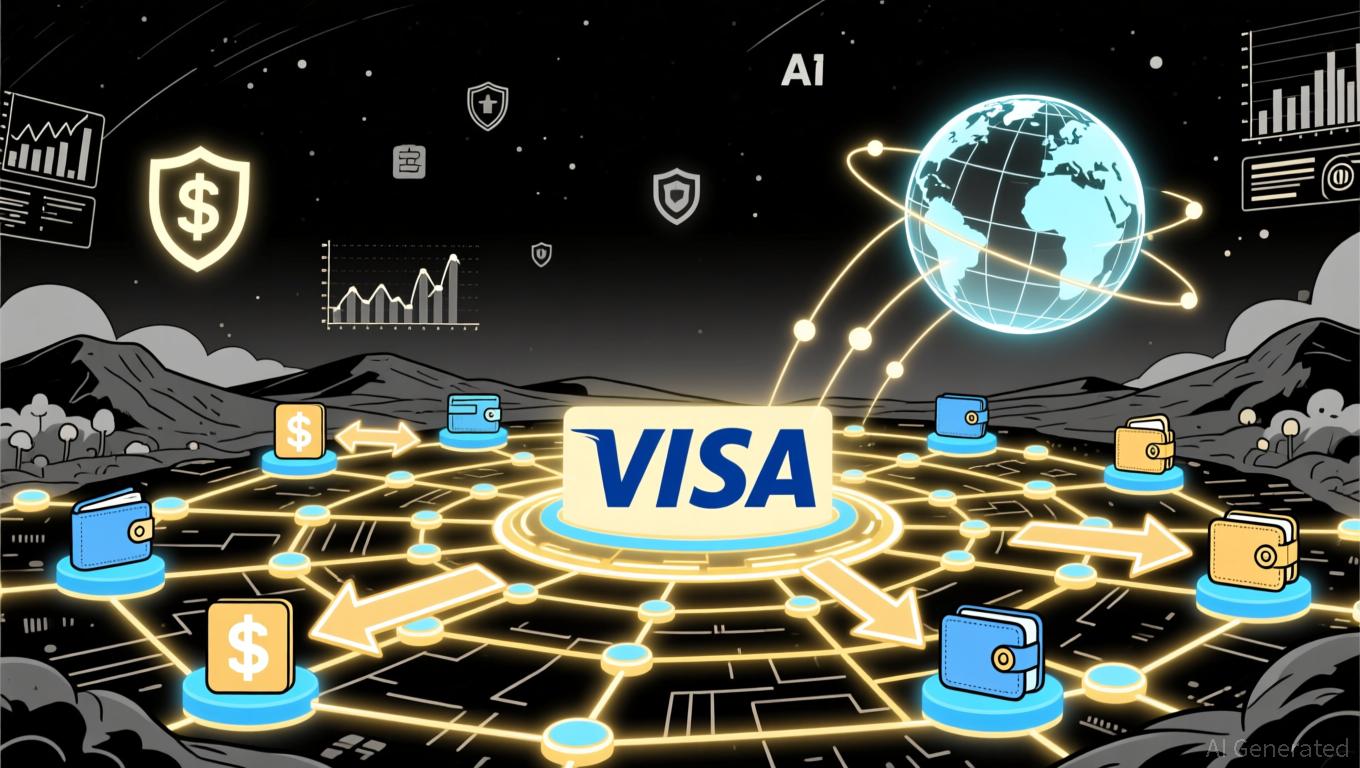
Global Reach & Accessibility: Stablecoin payroll systems support payouts to over 250,000 recipients worldwide, with more than 500 local payout methods, making salary distribution accessible even in regions with unstable banking systems.
-

On-Chain Transparency & Compliance: With full reserve backing mandated by the 2025 GENIUS Act, stablecoin payrolls offer traceable, transparent transactions and regulatory compliance, building trust for both employers and employees.


What’s Next? The Future of Global Crypto Salary Distribution
The trajectory is clear: as more companies embrace compliant crypto payroll solutions in 2025 and beyond, we’ll see an increasingly liquid global workforce unconstrained by borders or banking limitations. With stablecoins like USDC maintaining dominance (63% market share), the ecosystem is set up for further growth, especially as programmable money unlocks new benefits like instant lending against future wages or automated cross-border tax optimization.
For organizations looking to stay competitive in this landscape, adopting real-time stablecoin payroll isn’t just an efficiency play, it’s an investment in talent acquisition and retention. As more countries update their legal frameworks and infrastructure providers scale up local payout options (over 500 methods worldwide), even traditionally risk-averse enterprises are making the switch.
If you’re ready to explore how these innovations can benefit your team, or want practical guidance on getting started, see our deep dive on the impact of real-time stablecoin payroll on global teams.
About the Author