

Paying remote employees with USDC is no longer a futuristic concept – it’s the new standard for global startups seeking efficiency, transparency, and cost control. In 2025, as stablecoins like USDC have become deeply integrated into the payroll infrastructure of innovative companies, the process has evolved from experimental to essential. Yet, harnessing this power requires a methodical approach rooted in compliance and strategic platform selection.


The Strategic Imperative: Why USDC Payroll Matters in 2025
As history has shown, payment systems evolve alongside commerce itself. From gold-backed notes to SWIFT wire transfers, each leap forward addressed the friction of its era. Today’s friction is borderless: startups operate across continents, talent is truly global, and legacy banking rails are too slow and costly. USDC payroll for remote teams solves these pain points by leveraging blockchain’s speed and stablecoin consistency.
USDC (USD Coin) is pegged to the U. S. dollar, providing price stability without the volatility that once plagued early crypto salaries. With platforms like Remote and Bitwage integrating USDC across networks such as Ethereum and Base, startups can now pay employees and contractors worldwide with near-instant settlement – all while reducing transaction fees by up to 90% compared to traditional banks.
Step-by-Step Guide: Paying Remote Employees with USDC
Below is a practical framework for founders and finance leads charting their course through the new landscape of global stablecoin salary solutions. Each step reflects both regulatory realities and technological best practices as of late 2025.
How to Pay Remote Employees with USDC: A Visual Step-by-Step Guide (2025)

1. Verify Legal and Tax Compliance for USDC Payroll in Each Jurisdiction
The first – and most critical – step is understanding legal requirements where your team members reside. Crypto payroll compliance for startups hinges on local laws regarding digital asset payments, tax withholding obligations, anti-money laundering (AML) checks, and reporting standards. Consult legal counsel or a specialized compliance partner before onboarding any international contractor or employee with USDC payments.
This isn’t just about avoiding fines; it’s about building trust with your workforce by ensuring their earnings are recognized by local authorities. The regulatory climate is evolving rapidly – what worked in 2023 may not suffice in 2025.
2. Select a Crypto Payroll Platform Supporting USDC and Multi-Chain Payments
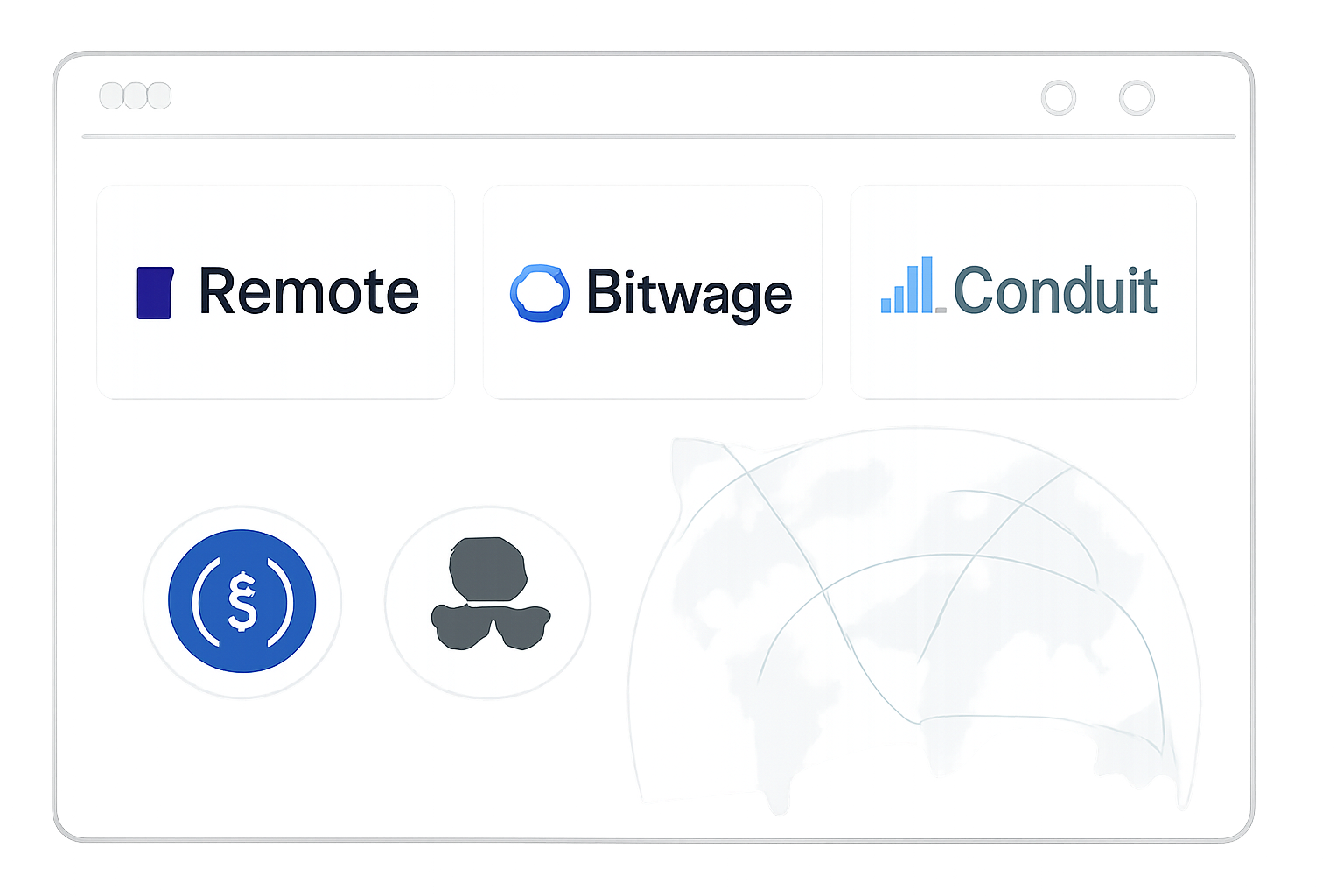
Choosing the right platform is strategic: it determines your access to supported blockchains (Ethereum, Arbitrum, Polygon), payout automation features, KYC/AML integrations, and even customer support quality. Leading platforms like Remote, Bitwage, and Conduit offer robust solutions tailored to different startup needs:
- Remote: Pays contractors in 69 countries using Base Network/Stripe integration.
- Bitwage: Offers multi-chain payouts on Stellar with customizable salary splits.
- Conduit: Converts USD to USDC for seamless international disbursements.
This platform choice also affects which wallets your employees can use; some prioritize Ethereum mainnet while others support faster chains like Polygon or Arbitrum.
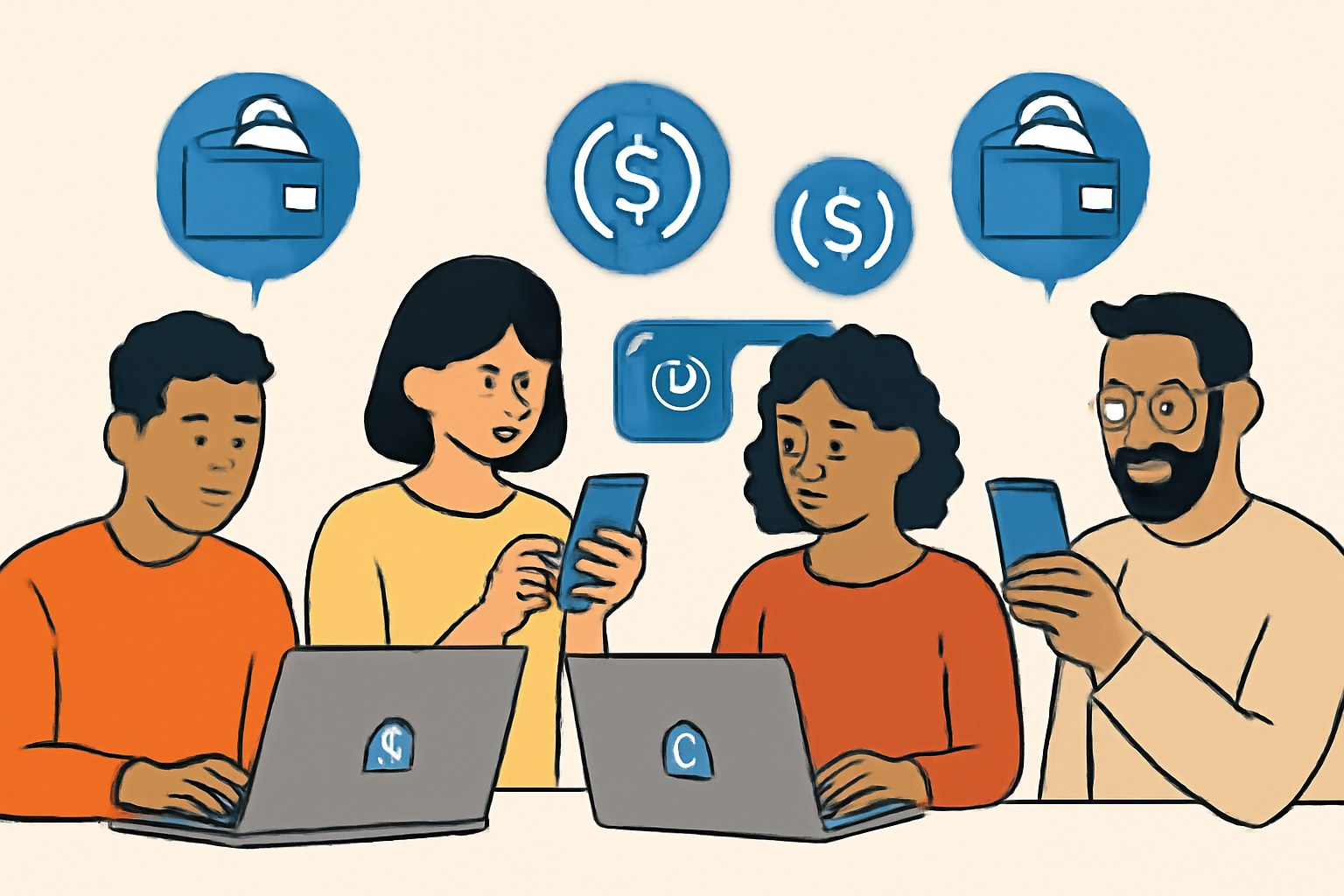
3. Onboard Employees and Contractors with Secure Wallets (Ethereum, Arbitrum, Polygon, etc. )
Your next move is onboarding staff onto secure wallets compatible with your platform’s supported chains. Encourage best practices in wallet security – private key management remains paramount even as user interfaces improve. Many platforms now offer guided onboarding flows that help employees set up wallets on networks offering low fees (Polygon) or high throughput (Arbitrum).
The goal? Ensure every payee can receive funds without friction or risk of address errors. This step sets the stage for scalable operations as your remote team grows across borders.
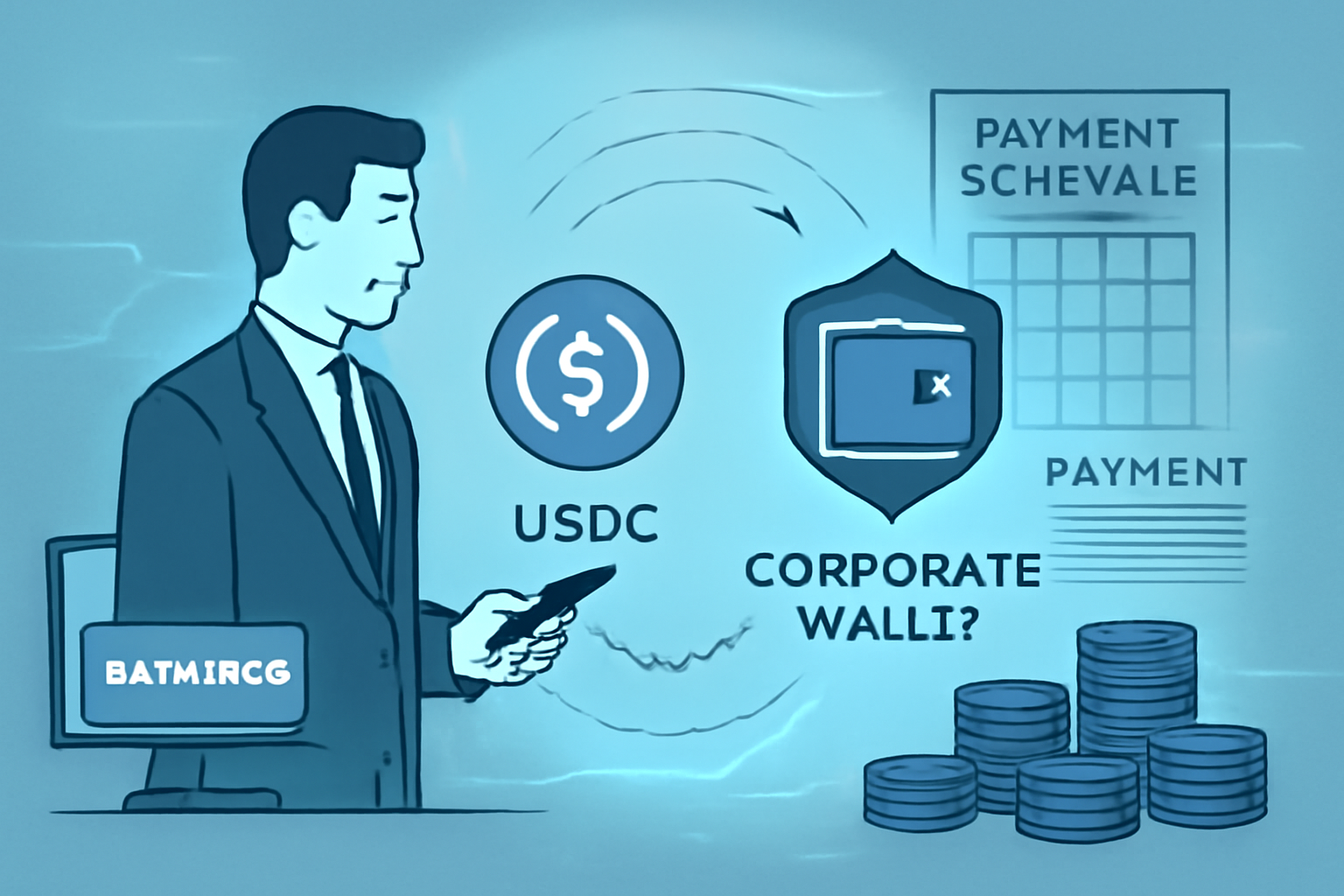
4. Fund Your Payroll Account with USDC and Configure Payment Schedules
Once your workforce is wallet-ready, it’s time to operationalize payroll funding. Acquire USDC through a reputable exchange or OTC desk, then transfer it to your corporate wallet or directly into the payroll platform’s account. Many services now support automated funding thresholds and recurring buys, allowing you to maintain liquidity without manual intervention.
Set up payment schedules according to local labor standards and contractor agreements. The flexibility of stablecoin payroll means you can offer weekly, biweekly, or milestone-based payouts, whatever best suits your team’s needs and local expectations. This level of customization was rarely possible with legacy cross-border wires.
5. Execute Payments and Provide Transparent Payslips with Blockchain Transaction Records
Execution is where crypto payroll truly distinguishes itself from the old world of opaque international transfers. Initiate payments via your chosen platform, most support batch payouts, reducing manual overhead for finance teams. Each transaction is recorded on-chain, providing an immutable audit trail that both employer and employee can verify independently.
Modern platforms generate detailed payslips that include gross amount, network fees, transaction hash, and timestamp, offering clarity impossible with traditional banking statements. This transparency not only supports compliance but also builds trust: employees can confirm receipt instantly and review their earnings history at any time.
Looking Ahead: Building Trust in the Age of Global Crypto Payroll
The shift to paying international contractors with USDC isn’t just a technical upgrade, it’s a strategic move that echoes other inflection points in financial history. By embracing transparent, programmable money, startups are positioning themselves for resilience amid regulatory changes and macroeconomic uncertainty.
However, this journey is ongoing. As more jurisdictions clarify their stance on digital assets and as new payroll solutions emerge supporting multi-chain interoperability, founders must stay vigilant, adaptation remains the hallmark of survival in global markets.
- Revisit compliance quarterly: Regulations are evolving; periodic reviews protect both company and staff.
- Invest in education: Help employees understand how to safeguard their wallets and convert USDC as needed.
- Leverage analytics: Use on-chain data for financial planning and performance benchmarking across geographies.
The result? Faster payments across borders, drastically reduced costs, happier remote teams, and a modern foundation ready for whatever the next cycle brings.
If you’re ready to go deeper into the mechanics or want case studies from leading tech startups already running global stablecoin salary solutions, explore our extended resources here: How to Pay Remote Employees with USDC: A Step-by-Step Guide for Global Startups.
About the Author