


Global businesses are undergoing a dramatic shift in how they pay international contractors, thanks to the advent of programmable stablecoin payroll. Traditional cross-border payments have long been plagued by delays, unpredictable fees, and the ever-present risk of currency fluctuations. These pain points have made managing global teams a logistical and financial headache. Today, programmable stablecoins like USD Coin (USDC) offer a compelling solution, combining the speed and transparency of blockchain with the predictability of a dollar-pegged digital asset.
Why Programmable Stablecoin Payroll Is Gaining Traction
The appeal of programmable stablecoin payroll lies in its ability to automate, customize, and secure payment flows across borders. By leveraging smart contracts, companies can set up real-time, rules-based salary disbursements that eliminate manual intervention and reduce errors. Unlike legacy banking rails, programmable stablecoins operate 24/7, no more waiting for wire cut-off times or navigating multi-day settlement lags.
This innovation is more than just theoretical. In December 2024, Remote, a global HR and payroll platform, partnered with Stripe to enable US-based companies to pay contractors in 69 countries using USDC on Coinbase’s Base network. This collaboration allows for near-instant payouts, bypassing traditional banking delays and reducing transaction costs. Contractors receive payments directly into their Base wallet addresses, offering both flexibility and a hedge against local currency inflation.
Solving the Pain Points of Global Contractor Payments
For organizations managing international talent, programmable stablecoin payroll addresses several critical issues:
Key Benefits of Programmable Stablecoin Payroll for Global Contractors
-
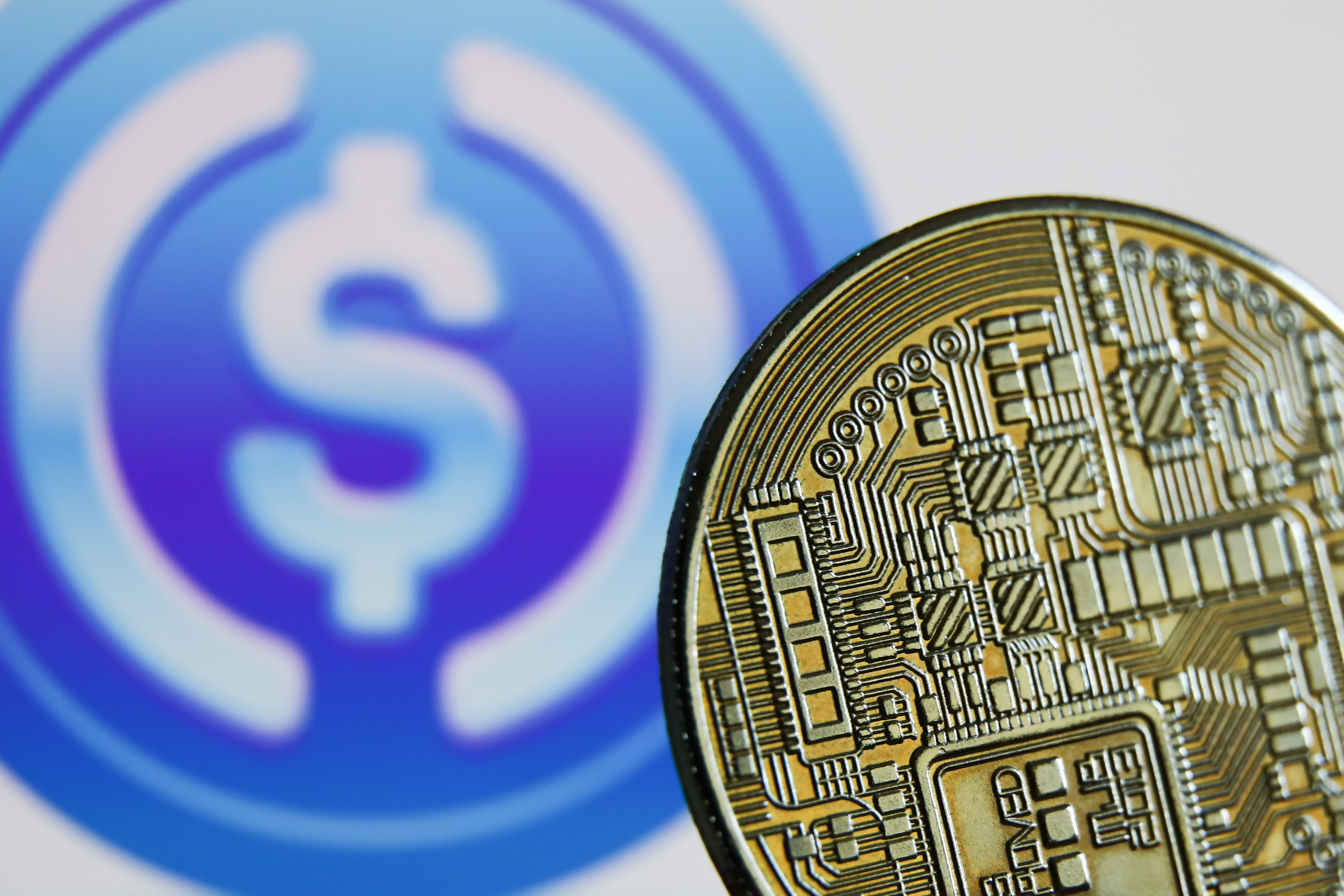
Faster, Near-Instant Payments: Platforms like Remote and Stripe now enable USDC payouts to contractors in 69 countries, eliminating traditional banking delays and ensuring contractors receive funds almost instantly.
-

Lower Transaction Fees: Using stablecoins such as USDC on networks like Coinbase’s Base reduces cross-border payment costs compared to wire transfers, helping contractors retain more of their earnings.
-

Currency Stability and Inflation Protection: Stablecoins like USDC are pegged 1:1 to the US dollar, providing contractors with predictable value and a hedge against local currency inflation.
-
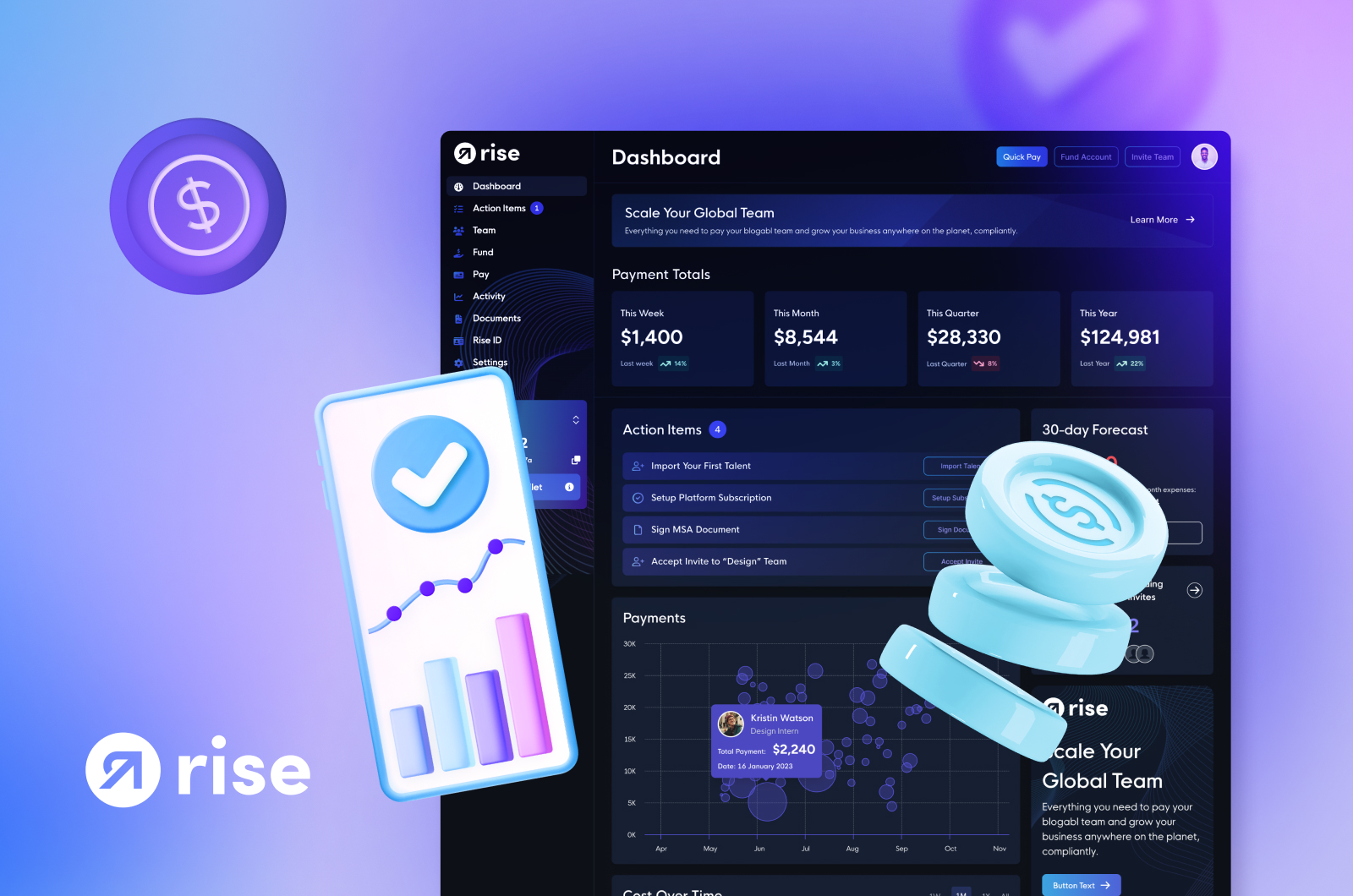
Programmable and Automated Payments: Services from P100 and Rise Works automate recurring payments, reducing manual errors and ensuring timely compensation for global contractors.
-
Enhanced Global Access and Flexibility: Contractors can receive payments directly to their digital wallets, such as those on Base, giving them immediate access to funds and the flexibility to convert or use them as needed.
-
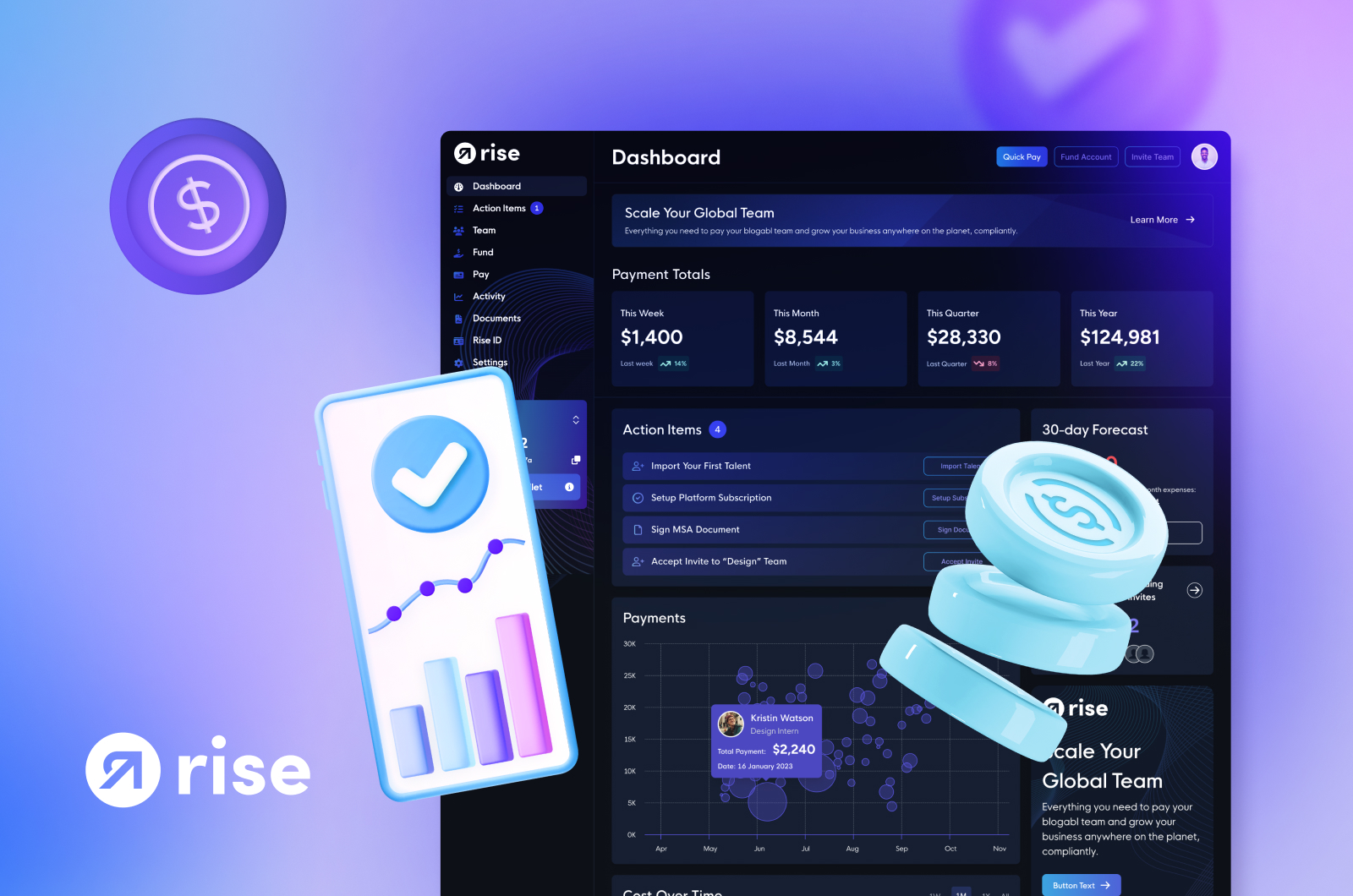
Improved Compliance and Transparency: Platforms like Remote and Rise Works integrate real-time compliance checks and transparent transaction records, helping companies meet regulatory requirements across jurisdictions.
1. Speed: Payments settle in minutes, not days, regardless of geography or banking hours.
2. Cost: Transaction fees are dramatically lower compared to SWIFT wires or correspondent banking.
3. Currency stability: With USDC maintaining its peg to the US dollar as of October 10,2025, contractors receive predictable value, no nasty FX surprises.
4. Compliance: Platforms like Rise Works and P100 have built-in KYC/AML checks and reporting tools, simplifying regulatory obligations for businesses.
5. Automation: Smart contracts allow for automated salary splits and workflows, think milestone-based releases or tax withholding at source.
The Role of Automation and Smart Contracts
The real power of programmable stablecoin payroll lies in automation. With smart contracts, businesses can design payment logic that reflects their unique needs, whether that’s splitting salaries across multiple wallets, paying bonuses upon project completion, or withholding taxes in real-time. This level of customization was nearly impossible with legacy systems.
P100’s Crypto Payroll service is a case in point. European businesses can now send funds worldwide in minutes without directly handling cryptocurrency themselves, a huge leap forward in both user experience and compliance. Similarly, Rise Works offers automated stablecoin payments to international contractors using both USDC and USDT, further streamlining payroll operations without sacrificing regulatory peace of mind.
The Compliance Edge
No discussion of cross-border payroll would be complete without addressing compliance. As programmable stablecoin payroll gains momentum, now making up more than 90% of reported digital asset compensation according to Thomson Reuters, regulatory clarity becomes paramount. Leading providers have responded by integrating real-time compliance checks and transparent reporting into their platforms, giving businesses confidence that they can scale globally without running afoul of local laws.
What’s especially reassuring is that compliance isn’t an afterthought in the programmable stablecoin payroll ecosystem. Solutions like Toku and Rise Works embed Know Your Customer (KYC), Anti-Money Laundering (AML), and tax reporting directly into their workflows. This means organizations can expand their international contractor base without losing sleep over shifting regulatory sands or inadvertently violating cross-border payment laws. In fact, the automation of compliance tasks is fast becoming a competitive edge for companies scaling globally.
Real-World Impact: Contractor Experience Reimagined
From the contractor’s perspective, programmable stablecoin payroll is a game-changer. Instant, transparent payments in USDC mean no more waiting days for funds to clear or worrying about hidden FX fees eating into their compensation. For contractors in high-inflation countries, receiving stablecoins provides a reliable store of value that shields earnings from local currency volatility.
Consider this: with programmable smart contracts, salary splits can be automated across multiple wallets or currencies. Bonuses can be released programmatically upon milestone completion, and tax obligations can be withheld at source, no more manual calculations or chasing down payments. The result is a frictionless experience that allows contractors to focus on delivering value rather than navigating administrative headaches.
How to Get Started with Programmable Stablecoin Payroll
Adopting real-time global payroll powered by stablecoins is now more accessible than ever. Here’s a quick roadmap for organizations ready to modernize their cross-border payments:
Steps to Implement Programmable Stablecoin Payroll
-
1. Assess Your Business Needs and Regulatory RequirementsEvaluate your contractor base, payment jurisdictions, and compliance obligations. Review local regulations for crypto payroll, including tax and reporting rules, to ensure legal operation.
-

2. Choose a Trusted Stablecoin and Blockchain NetworkSelect a widely-used stablecoin such as USD Coin (USDC) for its stability and global acceptance. Opt for a reliable blockchain like Coinbase’s Base network to ensure fast, low-cost transactions.
-
3. Select a Reputable Payroll Platform with Stablecoin SupportPartner with established platforms like Remote (with Stripe), P100, or Rise Works, which offer programmable stablecoin payroll solutions and handle compliance, onboarding, and automation.
-
4. Onboard Contractors and Collect Wallet AddressesInvite contractors to join your chosen platform, verify their identities, and securely collect their Base network wallet addresses for USDC payments. Provide clear instructions and support for wallet setup.
-
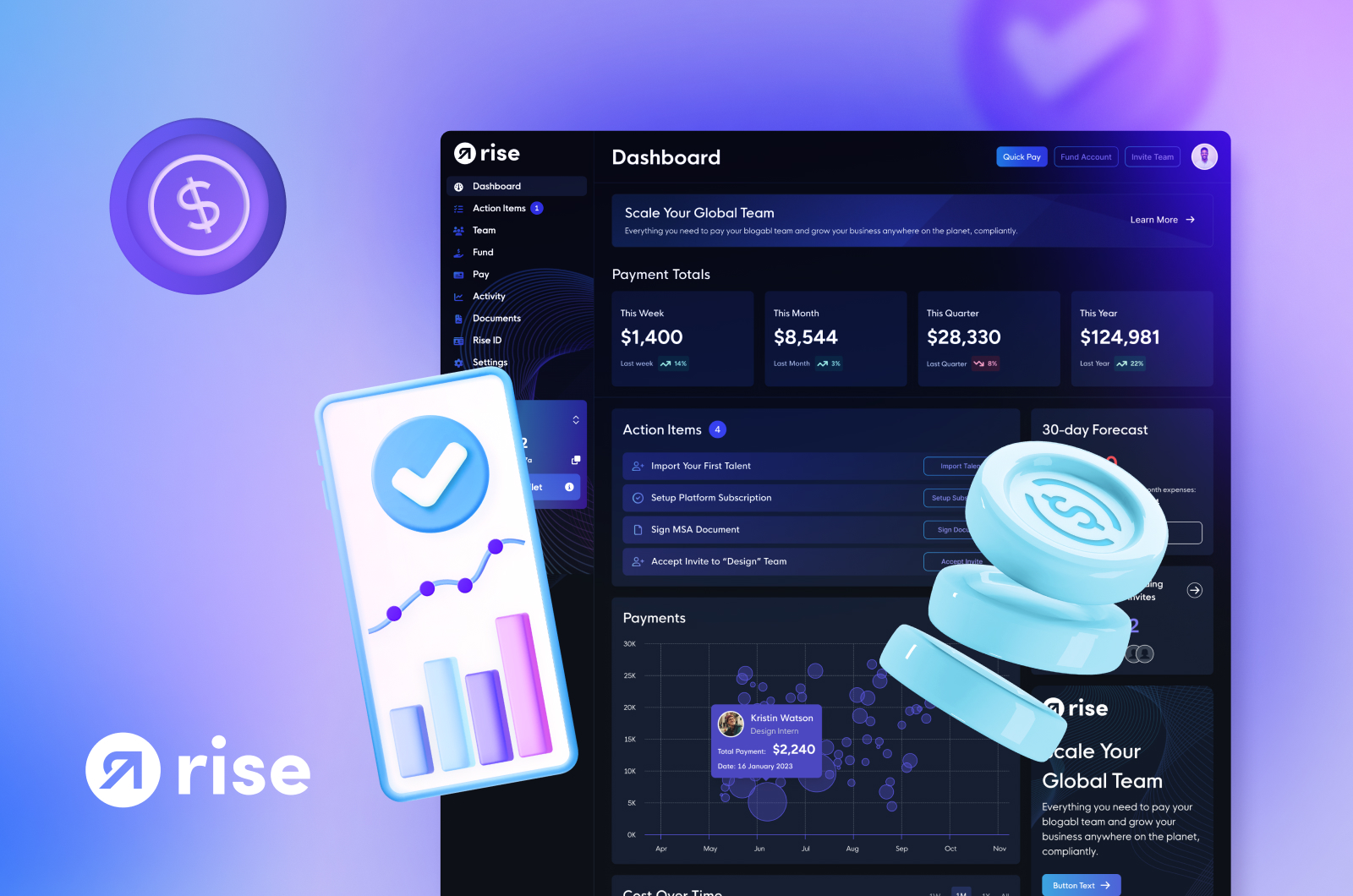
5. Automate Payroll Scheduling and FundingSet up automated payment schedules within your payroll platform. Fund your payroll account with USDC, ensuring sufficient balance for timely, programmable payouts to all contractors.
-
6. Monitor Transactions and Ensure Ongoing ComplianceUse platform dashboards to track payments, generate reports, and maintain compliance with local and international regulations. Stay updated on regulatory changes affecting crypto payroll.
As always, it’s crucial to partner with providers who prioritize both security and regulatory alignment. Platforms like Remote, P100, and Rise Works offer robust onboarding, built-in compliance checks, and seamless integration with existing HR systems. You’ll want to ensure your chosen solution supports not just fast payouts but also detailed reporting and audit trails for peace of mind.
Looking Ahead: The Future of Automated Salary Split and Compliance
The evolution of automated salary split on blockchain rails signals a broader trend toward financial empowerment for both businesses and contractors. As programmable stablecoin payroll systems continue to mature, expect even deeper integration with DeFi tools, real-time tax calculation engines, and AI-driven compliance monitoring.
Ultimately, programmable stablecoin payroll isn’t just another fintech fad, it’s a fundamental shift in how global value moves. With USDC maintaining its peg to the US dollar as of October 10,2025, organizations can trust in both price stability and operational efficiency as they scale internationally. The winners in this new era will be those who embrace automation, prioritize compliance, and deliver seamless payment experiences to their global teams.
About the Author