


Remote teams sprawl across continents, yet traditional payroll systems chain them to sluggish banks and punishing FX fees. A €2,000 salary payment often shrinks by €60 to €100 after 3-5% deductions from platform charges, bank wires, and currency conversions. Enter USDC payroll: a precise mechanism delivering instant cross-border salaries pegged 1: 1 to the USD, slashing costs to 0.2-0.8% while settling in seconds on blockchain rails.
This shift isn’t hype; it’s arithmetic. Platforms like Rise harness USDC for faster settlements and compliance in worker classification, as noted on riseworks. io. Circle bolsters this by enabling USDC funding across payroll products, underscoring stablecoin reliability for global teams.
Dissecting Traditional Payroll Friction Points
Cross-border payments rely on correspondent banking networks, where each intermediary extracts a toll. SWIFT transfers average 3-5 days, with hidden FX markups eroding 2-4% alone. Freelancers in Latin America or Southeast Asia receive diminished funds, forcing them to navigate local conversion pitfalls. Data from etospheres. com quantifies this: a standard international payout loses substantial value before reaching pockets.
In contrast, stablecoin salaries for remote teams bypass these chokepoints. USDC transactions on efficient chains like Stellar or Solana confirm in under 60 seconds, per Bitwage’s implementation. No weekend delays, no holiday blackouts. This precision suits tech startups and digital nomads demanding borderless efficiency.
Faster global payments: Crypto payroll avoids banking delays, which is especially handy for cross-border teams. – Lano. io
USDC’s Edge in Cross-Border Crypto Payroll
USDC stands apart with its reserve audits by Grant Thornton, maintaining a $1 peg through full USD backing. Multichain Bridged USDC (Fantom) trades at $0.0257, up 0.0684% in 24 hours from a low of $0.0216, but core USDC payroll leverages native deployments for peg stability. Adoption surges: World App now supports USDC payroll in Latin America, the US, Japan, Singapore, South Korea, and Taiwan, per altcoinbuzz. io.
Stablecoin cross-border volumes have climbed over 70% in two years, fueled by payroll demand. Deel highlights employee control over earnings conversion, while Request Finance positions stablecoins as the antidote to remote payroll headaches. For employers, this means USDC global payments without volatility risk, enabling focus on growth over FX hedging.
- Cost Reduction: 95% drop in fees via platforms like RebelFi, plus 6-9% APY on idle funds.
- Speed: Seconds versus days, as BVNK’s 2025 guide details for blockchain ledgers.
- Compliance: Built-in KYC and tax reporting, aligning with Rise’s worker identity verification.
Platforms Pioneering Borderless Payroll USDC
Rise tops lists for USDC payroll, integrating Circle’s infrastructure for seamless funding. OneSafe spotlights European startups gaining faster payments and regulatory edge. Bitwage’s Stellar-based USDC payouts offer same-day USD deposits, letting workers allocate salaries flexibly.
Riseworks projects top benefits into 2026: lower fees, currency stability, and rapid international hires. BingX notes crypto paychecks as game-changers for remote workers, revolutionizing hiring via stablecoin salaries. These tools empower streamlined cross-border salaries, proving USDC’s methodical ascent in global operations.
USD Coin (USDC) Price Prediction 2027-2032
Stability forecasts amid rising payroll adoption for remote teams and cross-border payments, maintaining USD peg with minor deviations
| Year | Minimum Price | Average Price | Maximum Price | YoY % Change (Avg) |
|---|---|---|---|---|
| 2027 | $0.98 | $1.00 | $1.01 | 0% |
| 2028 | $0.98 | $1.00 | $1.02 | 0% |
| 2029 | $0.99 | $1.00 | $1.02 | 0% |
| 2030 | $0.99 | $1.005 | $1.03 | +0.5% |
| 2031 | $0.995 | $1.01 | $1.04 | +0.5% |
| 2032 | $0.998 | $1.015 | $1.045 | +0.5% |
Price Prediction Summary
USDC is projected to remain highly stable around its $1.00 USD peg through 2032, bolstered by expanding payroll use cases in platforms like Rise, Bitwage, and World App. Bearish scenarios reflect temporary depegging risks (min $0.98-$0.99), while bullish demand from fee-free cross-border salaries supports slight premiums (max up to $1.045). Average prices show progressive stability with minor upward bias from adoption.
Key Factors Affecting USD Coin Price
- Growing USDC payroll adoption reducing FX fees by 95% and enabling instant global payments
- Regulatory advancements favoring compliant stablecoins like USDC
- Technological enhancements in blockchain scalability and multi-chain support
- Market cycles influencing liquidity and temporary depegs (bearish min)
- Competition from USDT and emerging stablecoins
- Increased demand from remote teams in LATAM, Asia, and Europe driving premiums (bullish max)
- Overall stablecoin payment volume growth >70% in recent years
Disclaimer: Cryptocurrency price predictions are speculative and based on current market analysis.
Actual prices may vary significantly due to market volatility, regulatory changes, and other factors.
Always do your own research before making investment decisions.
Employers report tangible gains: a mid-sized firm paying 50 contractors across 20 countries cut monthly payroll expenses by 40% switching to USDC. This data-driven pivot, rooted in blockchain transparency, redefines cross-border crypto payroll as standard practice rather than experiment.
Quantifying these shifts demands scrutiny. Platforms like RebelFi claim 95% fee reductions alongside yield generation, transforming idle payroll funds into 6-9% APY earners. This isn’t speculative; it’s a direct arbitrage against eroding fiat rails.
Traditional Payroll vs. USDC: A Precise Cost Audit
Traditional Bank Transfers vs. USDC Payroll: €2,000 Salary to LATAM Freelancer
| Metric | Traditional Bank Transfer | USDC Payroll |
|---|---|---|
| Fees 💰 | 3-5% | 0.2-0.8% |
| Fee Amount (for €2,000) | €60 – €100 | €4 – €16 |
| Settlement Time ⏱️ | 3-5 days | Seconds |
| Net Amount Received | €1,900 – €1,940 | €1,984 – €1,996 |
| Key Benefits | FX markups, bank charges, delays | No FX fees, instant, stable USD value |
Examine the ledger: a €2,000 payout via SWIFT might deduct €80 in aggregate charges, arriving as €1,920 after delays. USDC on Stellar, as Bitwage deploys, preserves €1,996 with same-day access. This gap compounds for firms scaling to dozens of payees, where monthly savings hit five figures. Rise’s integration with Circle exemplifies compliance without compromise, verifying identities upfront to sidestep regulatory snags.
Startups in Europe, per OneSafe analysis, leverage this for enhanced oversight, turning payroll into a compliance asset rather than liability. Lano. io echoes the velocity: no more waiting on banking hours across time zones. For digital nomads, stablecoin salaries for remote teams mean unencumbered USD holdings, convertible at will without predatory spreads.
Deploying USDC Global Payments: Tactical Execution
Set Up USDC Payroll in 5 Precise Steps: Instant, Fee-Free Global Salaries
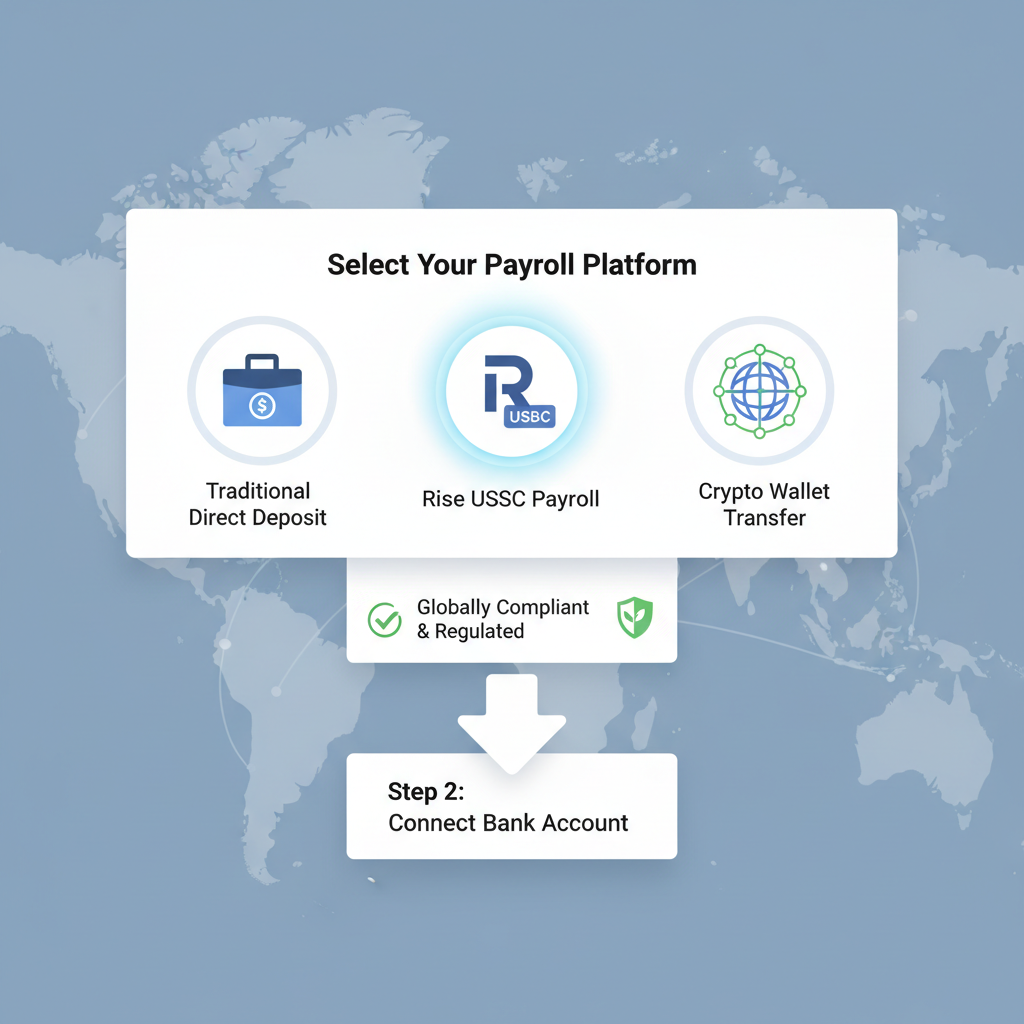
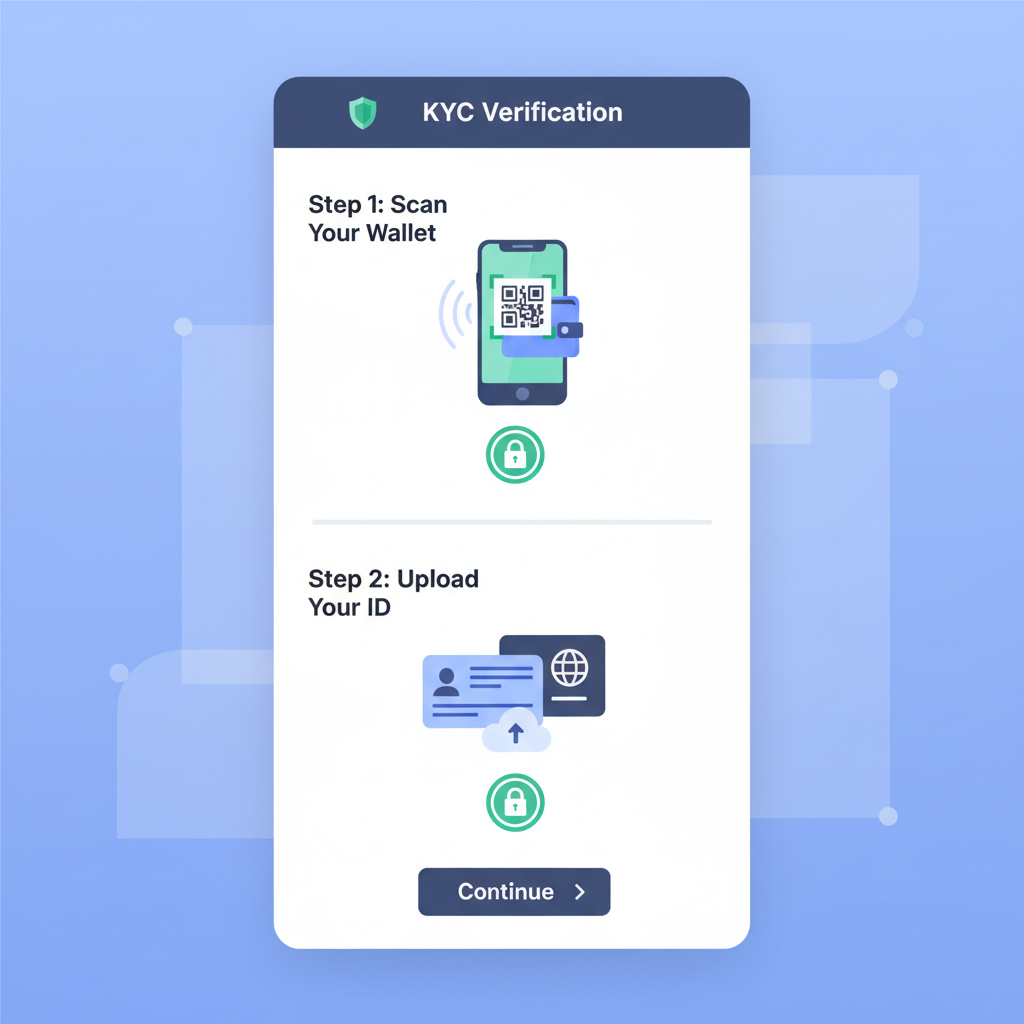
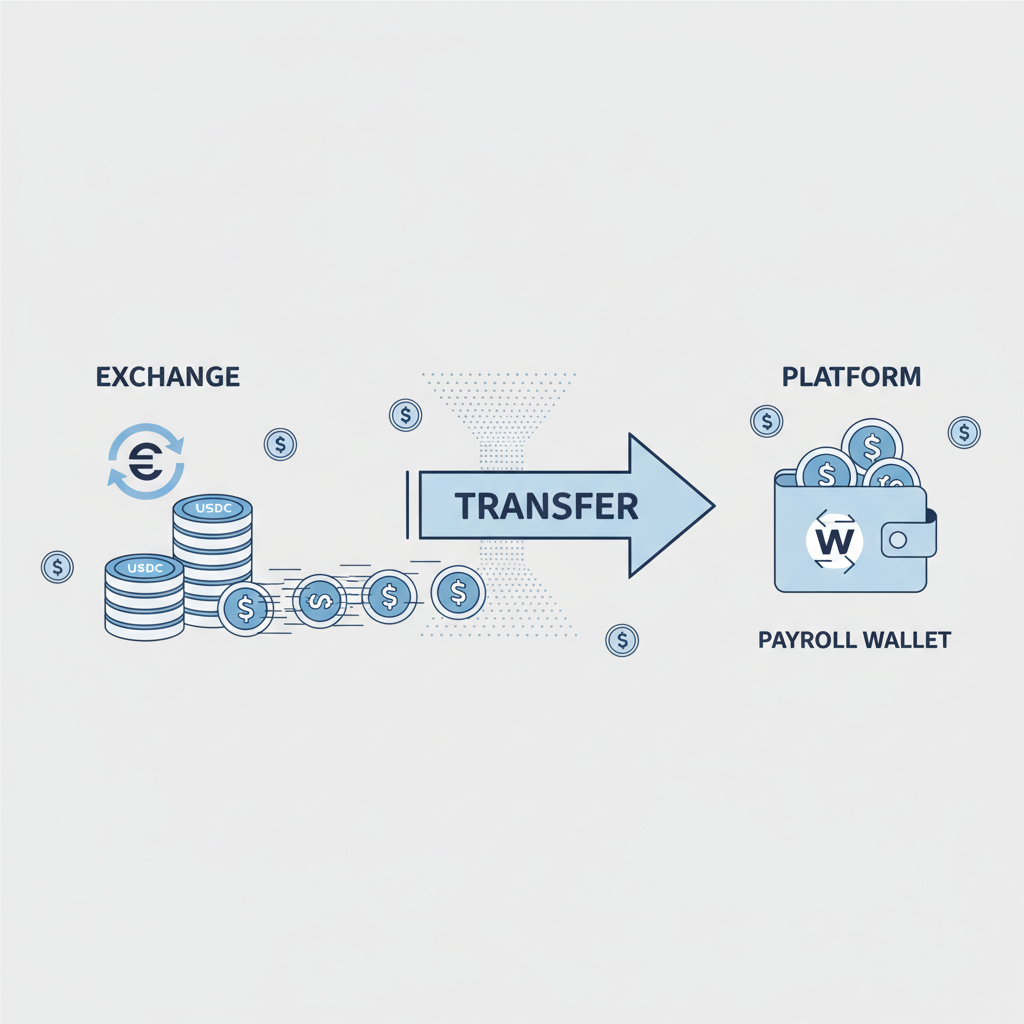

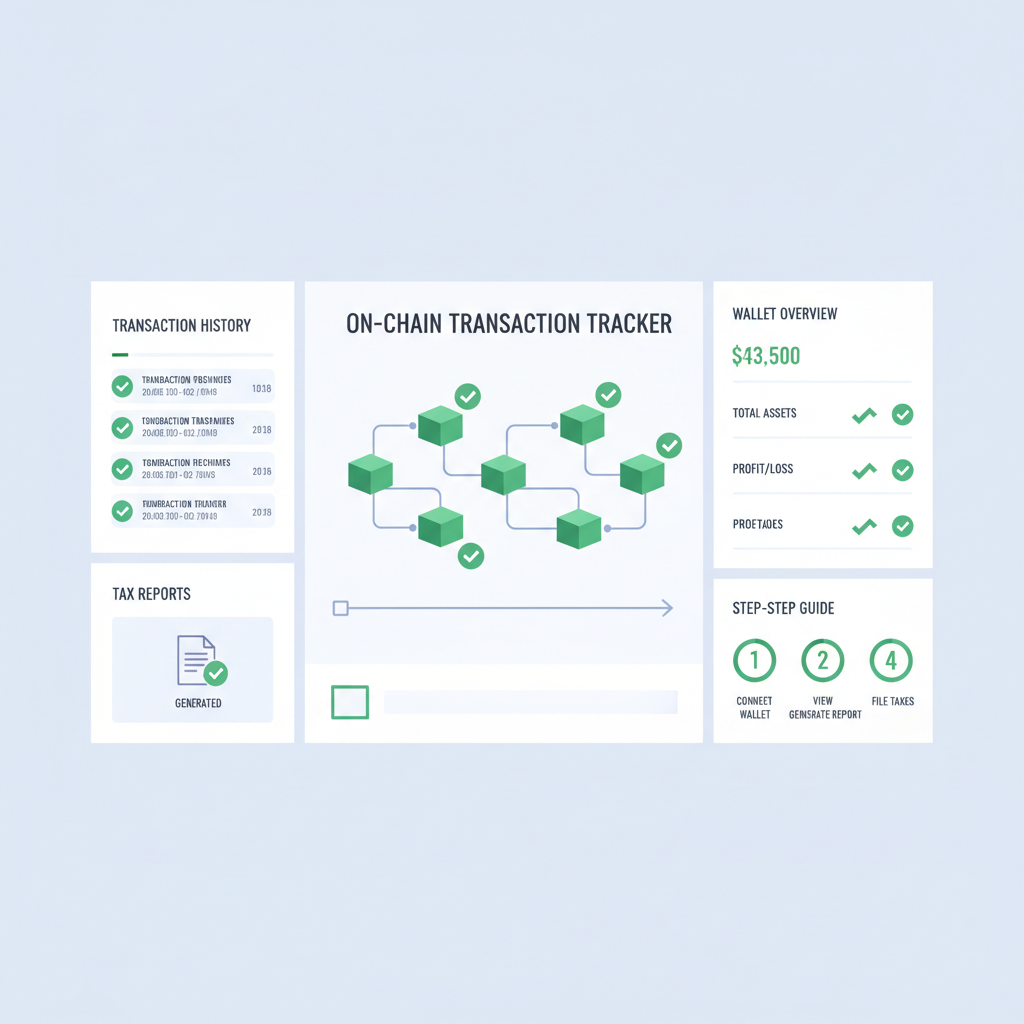
Execution mirrors chart patterns: methodical entry points yield outsized returns. Begin with wallet provisioning, ensuring embedded options for non-crypto natives. Platforms automate batch sends across 100 and countries, as detailed in instant salary guides. Request Finance outlines remote challenges dissolved by stablecoins: misclassification risks plummet with auditable trails.
Consider a tech outfit with engineers in Vietnam, designers in Brazil, and devs in Ukraine. Pre-USDC, FX volatility and delays spiked attrition 15%. Post-switch, retention climbed as pay hit accounts predictably, pegged firmly at $1 despite Multichain Bridged USDC (Fantom) fluctuations at $0.0257. This stability, audited rigorously, underpins borderless payroll USDC as the prudent choice for multinationals hedging currency noise.
BVNK’s 2025 blueprint confirms blockchain’s ledger speed: seconds for globals versus days in legacy systems. Riseworks forecasts 2026 dominance through fee parity and hiring agility, where crypto paychecks lure top talent weary of wire woes. BingX observers peg this as revolutionary, not incremental, for borderless hiring pools.
Firms adopting early report workflows streamlined by 60%, with APY bonuses padding margins. Cross-Border Payroll embodies this ethos, fusing USDC precision with crypto payroll’s transparency to arm remote teams against friction. The trajectory points upward: as adoption crests 70% growth, cross-border crypto payroll evolves from edge case to operational core, delivering salaries as reliably as the blockchain confirms them.
About the Author