

In 2026, U. S. companies hiring EU contractors face a payroll puzzle: swift payments without the drag of bank fees, currency swings, or compliance mazes. USDC payroll cuts through it all, delivering dollar-pegged stability on blockchain rails. Platforms like Remote and Rise have turned this into reality, processing millions in stablecoin salaries. Picture your Berlin-based developer receiving funds in seconds, not weeks, all while you sidestep wire transfer headaches.
Unlocking Speed and Savings with USDC for EU Payments
Visualize the old way: a $10,000 invoice from a French contractor incurs $50 in fees, plus days of suspense as funds crawl through SWIFT. Flip to USDC. Remote's Stripe partnership, launched in late 2024, pipes payments to Base wallets in under 60 seconds. Contractors cash out to local euros or hold for stability. Rise takes it further; by mid-2025, over half their $650 million payroll volume flowed as USDC. Employers fund via USD ACH or wallet top-up, contractors pick USDC, fiat, or crypto per cycle. Costs plummet to pennies per transaction. No more FX gouging when euros wobble against the dollar.
Stability shines here. USDC mirrors the USD, shielding EU workers from inflation bites in places like Hungary or volatility in newer markets. U. S. firms gain too: predictable costs, audit trails on blockchain. It's not hype; Rise's localized compliance handles EU quirks, from VAT to social contributions.

Step-by-Step: Configuring Remote for Your First USDC Run
Start with onboarding. Sign up at Remote, verify your U. S. entity; it's EIN-quick. Add your EU contractor via their portal: upload passport, address proof, W-8BEN for tax forms. Select USDC as payment method. Remote generates a Base wallet address for them; share it securely.
- Fund Payroll: Link your bank or Circle account. Transfer USD; it converts to USDC at 1: 1 peg.
- Schedule Run: Set bi-weekly dates. Preview deductions zeroed for contractors.
- Approve and Send: One-click triggers blockchain transfer. Track via dashboard visuals: green checkmarks for confirmed txns.
Pro tip: Use Remote's dashboard charts to forecast costs. Imagine a bar graph spiking on fee savings versus wires. Contractors love the dashboard too; instant notifications, balance visuals.
Rise's Edge: Flexible Withdrawals and EU Compliance Mastery
Rise paints payroll as a choose-your-adventure. U. S. companies deposit USD or USDC; platform auto-converts if needed. EU contractors toggle between USDC on their wallet, local SEPA, or even PYUSD. Compliance? Rise embeds country logic: German contractors get Pflichtversicherung nudges, French ones IRAP filings. No black-box; transparent ledgers show every step.
Security layers instructively: multi-sig wallets, 2FA, anomaly alerts. Picture a heatmap dashboard flagging unusual withdrawal patterns. For 2026 IRS rules, Rise auto-generates 1099s, handles EU DAC8 crypto reporting. U. S. firms avoid penalties by delegating the grind.
Multichain Bridged USDC (Fantom) Price Prediction 2027-2032
Stability outlook emphasizing peg reliability for USDC payroll setups amid market volatility (Current 2026 price: $0.0185)
| Year | Minimum Price | Average Price | Maximum Price | YoY Change (Avg) |
|---|---|---|---|---|
| 2027 | $0.012 | $0.035 | $0.055 | +89.2% |
| 2028 | $0.020 | $0.075 | $0.110 | +114.3% |
| 2029 | $0.035 | $0.140 | $0.200 | +86.7% |
| 2030 | $0.060 | $0.250 | $0.350 | +78.6% |
| 2031 | $0.100 | $0.420 | $0.580 | +68.0% |
| 2032 | $0.180 | $0.650 | $0.900 | +54.8% |
Price Prediction Summary
Multichain Bridged USDC (Fantom) is projected to recover progressively from its depegged $0.0185 level in 2026, driven by surging adoption in global payroll platforms like Remote and Rise for EU contractors. Average prices could reach $0.65 by 2032 in base scenarios, with maximums approaching $0.90 in bullish markets featuring restored peg stability, though bearish depegs pose downside risks.
Key Factors Affecting USD Coin Price
- Growing integration of USDC in payroll solutions (e.g., Remote-Stripe, Rise-Circle partnerships)
- Regulatory clarity in US/EU for stablecoin payroll and compliance
- Technological upgrades in cross-chain bridging to mitigate depeg risks
- Crypto market cycles boosting liquidity and demand for bridged stablecoins
- Tax reporting advancements reducing friction for international payments
- Competition from USDT and other stablecoins influencing market share
Disclaimer: Cryptocurrency price predictions are speculative and based on current market analysis. Actual prices may vary significantly due to market volatility, regulatory changes, and other factors. Always do your own research before making investment decisions.
Dive deeper into tax visuals: flowcharts mapping U. S. withholding to EU income declarations. Contractors declare USDC as fiat equivalent; no capital gains if held steady. U. S. side? Business expense deductibility intact, per updated IRS guidance.
Envision those flowcharts as interactive maps in Rise's portal, color-coded paths from your U. S. payroll ledger to the contractor's EU tax authority. Green lines for smooth deductions, red flags for mismatches. This setup turns compliance from chore to checklist.
2026 Compliance Maze: U. S. IRS Rules Meet EU Nuances
New IRS mandates demand granular crypto reporting; every USDC transfer logs as a business expense, no different from ACH. Platforms auto-file Form 1099-NEC for contractors over $600 annually. EU side varies: Germany's Finanzamt treats USDC as e-money, Spain's AEAT flags it under crypto asset rules. Rise and Remote layer in DAC8 compliance, the EU's 2026 crypto transparency directive, ensuring no unreported flows. Picture a dashboard timeline: your payroll run timestamped, hashed to blockchain, synced to tax APIs. U. S. companies dodge audits by proving arm's-length transactions via immutable proofs.
Risks linger, but they're tamed. De-pegging? USDC's Circle backing and attestations keep it rock-solid at $1, unlike wilder stablecoins. Freezes hit bad actors via OFAC lists; legit payroll sails clear. Volatility? Negligible for bridged USDC on Fantom, hovering at $0.0185 with a tidy 24-hour gain of $0.002070. Platforms vet wallets against sanctions, adding KYC shields. For EU contractors, conversion to fiat dodges local crypto taxes if cashed promptly.
Visual Blueprint: Rise Setup from Zero to First Payroll
Rise USDC Payroll Mastery: 6 Steps to Pay EU Contractors Seamlessly
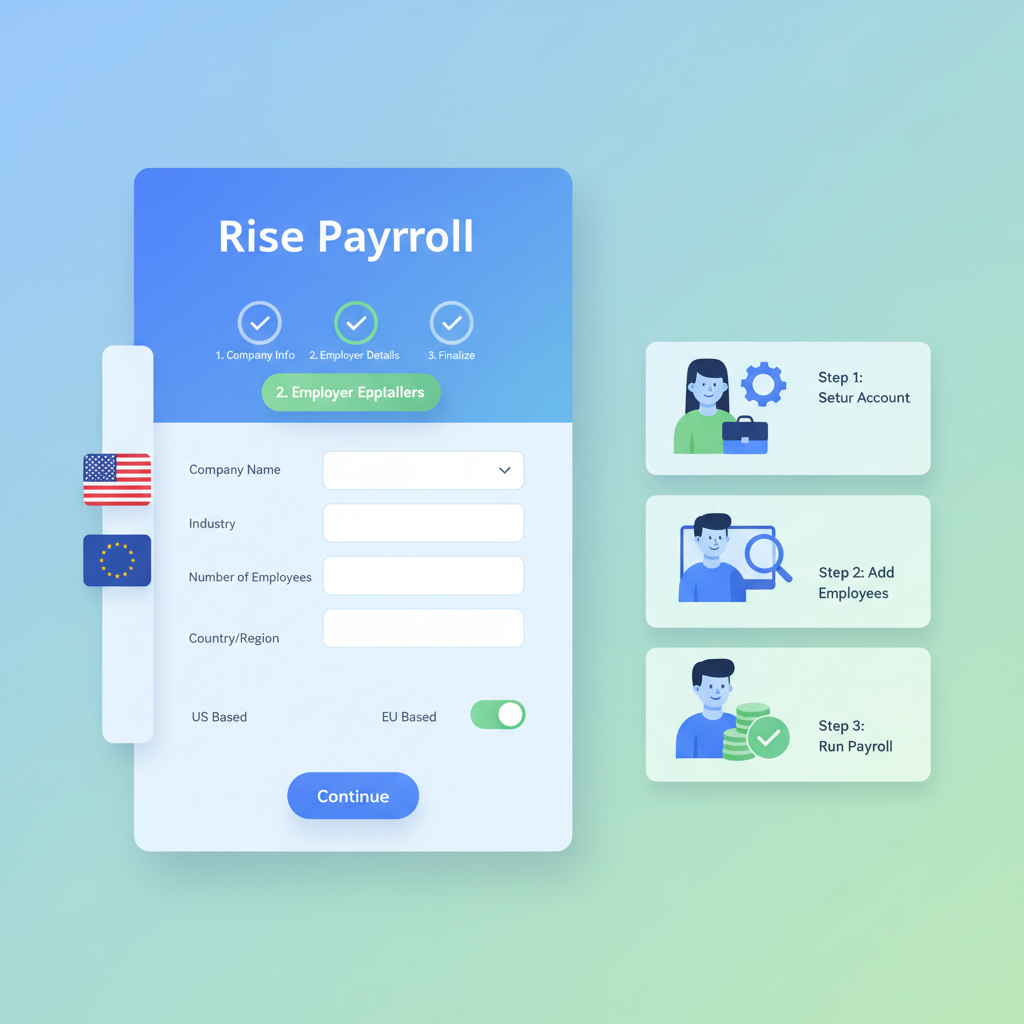

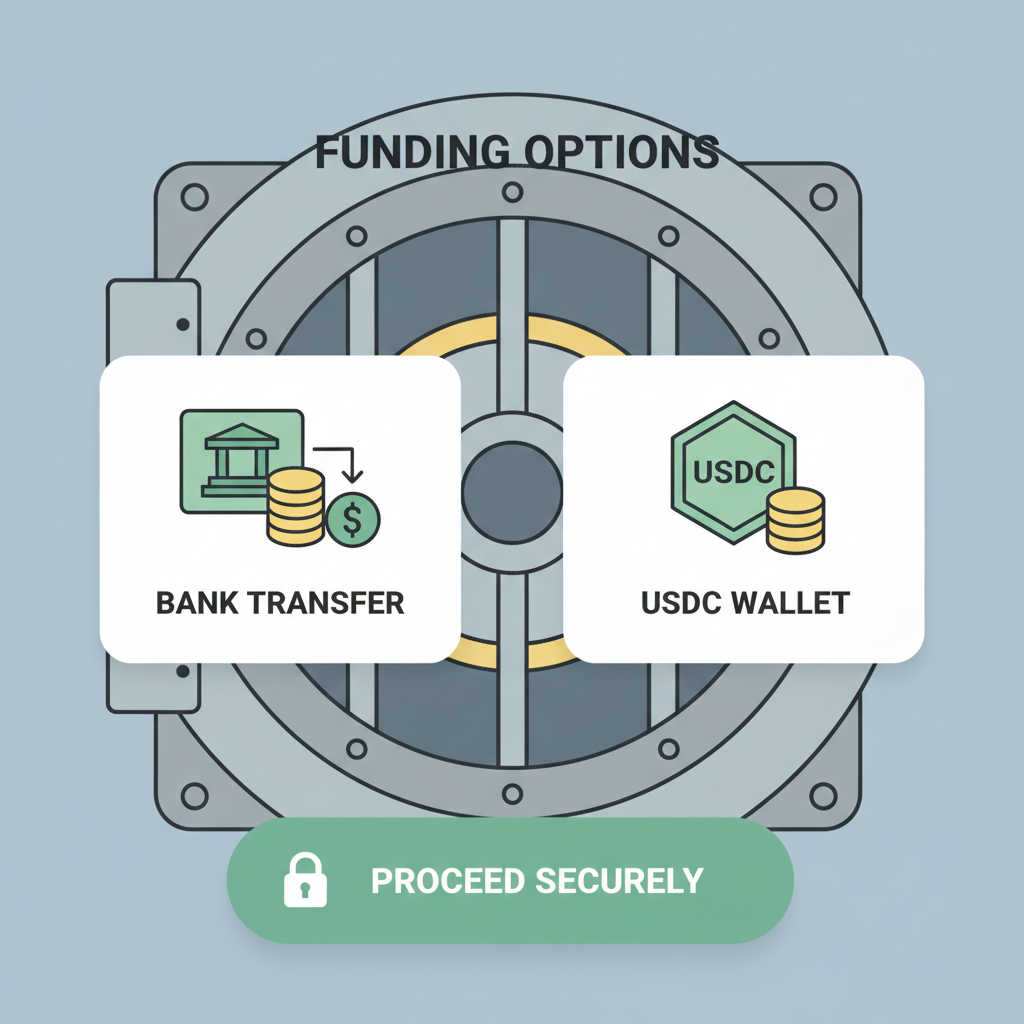

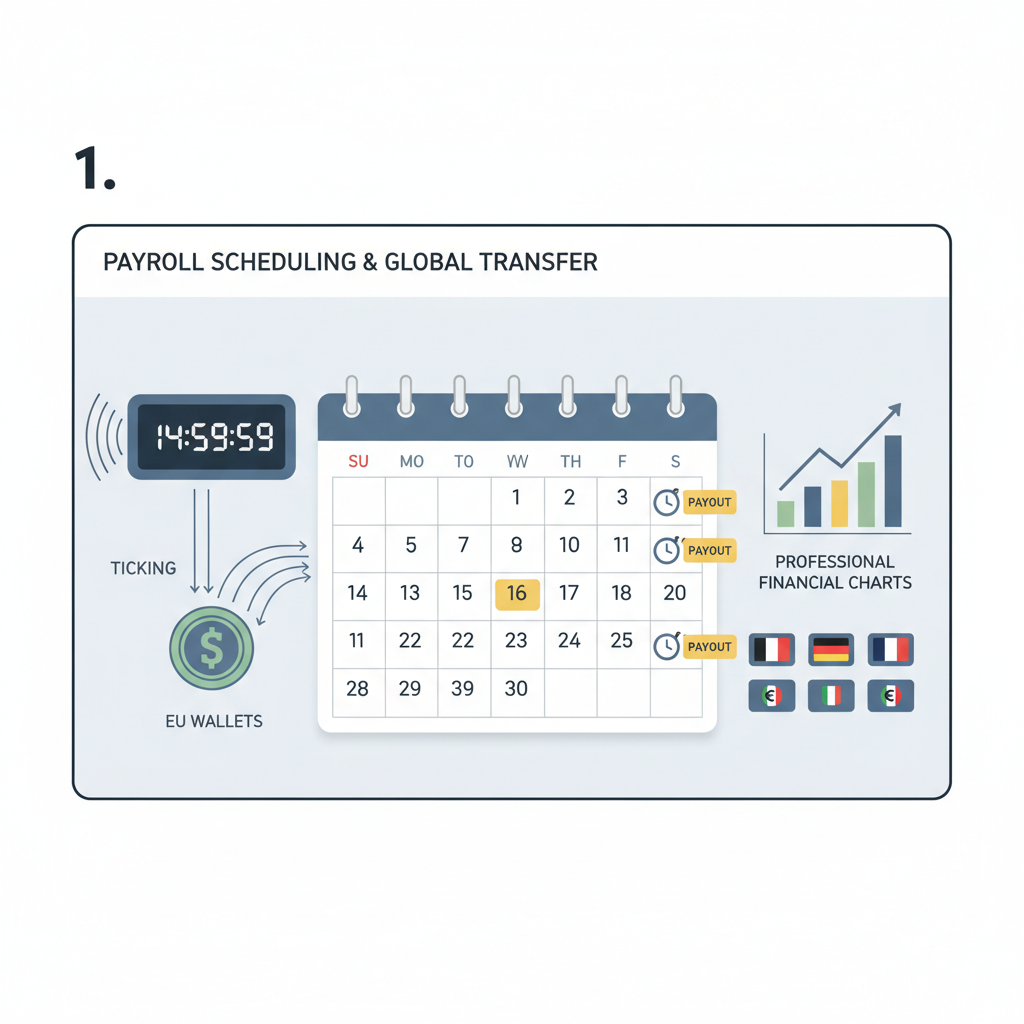

Once configured, monitor via Rise's heatmaps: transaction volumes pulsing blue for EU clusters, green for confirmed receipts. Scale to dozens of contractors; batch runs handle it seamlessly. Costs? Under $0.01 per $1,000 sent, versus $30 wires. Retention spikes too; contractors stick with instant, flexible pay.
Compare platforms side-by-side in your mind: Remote excels at Stripe-speed USDC blasts to Base, ideal for tech teams craving L2 efficiency. Rise owns flexibility, suiting mixed fiat-crypto crews with EU depth. Both crush Deel or Papaya Global on crypto rails, per 2026 benchmarks. HeroHunt. ai notes no entity setup needed; just contracts and USDC flows.
Forward-thinking U. S. outfits blend this into hybrid models: core team on USDC, outliers on SEPA. Track Multichain Bridged USDC (Fantom) at $0.0185, its 24-hour high matching that level after dipping to $0.0162. Stability like this fuels confidence. Your Paris marketer or Warsaw designer thrives, invoices settled before coffee cools. Cross-Border Payroll platforms evolve this daily, turning global teams into frictionless machines. Payroll becomes a visual symphony: charts climbing, fees vanishing, borders blurring.




No comments yet. Be the first to share your thoughts!